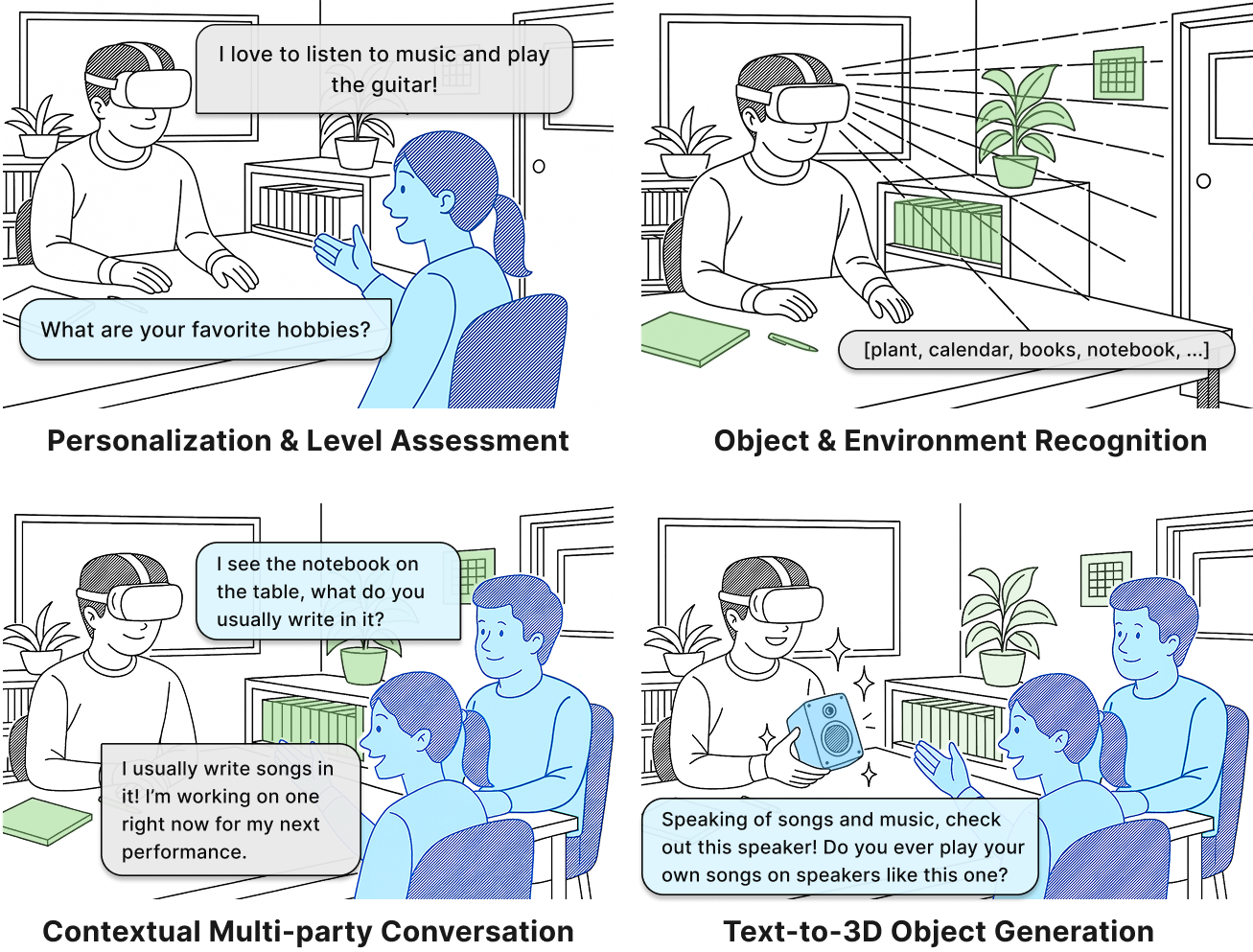
- The paper introduces ConversAR, a system that leverages AI-driven embodied agents and mixed reality to facilitate personalized group language practice.
- It employs scene recognition and dynamic 3D prop generation to ground conversations in learners' real environments, enhancing engagement and contextual understanding.
- Evaluation results indicate high usability and communicative effectiveness, while also revealing challenges in fine-tuning corrective feedback for diverse proficiency levels.
ConversAR: Mixed Reality Agents for Interactive Language Learning
The paper "Practicing a Second Language Without Fear: Mixed Reality Agents for Interactive Group Conversation" (2510.08227) introduces ConversAR, a system leveraging Mixed Reality (MR) and Generative AI to support personalized group conversations in language learning. By incorporating AI-driven embodied agents, the system aims to bridge the gap in traditional language learning applications by offering dynamic group interactions contextualized in the learner's physical environment.
System Architecture
ConversAR integrates several advanced technologies to create a robust language learning environment:
Interaction Flow
ConversAR orchestrates the interaction through several sequential phases:
- Language Proficiency Assessment: Initial one-on-one dialogues assess the learner’s proficiency and interests, forming a foundational profile to tailor subsequent interactions.
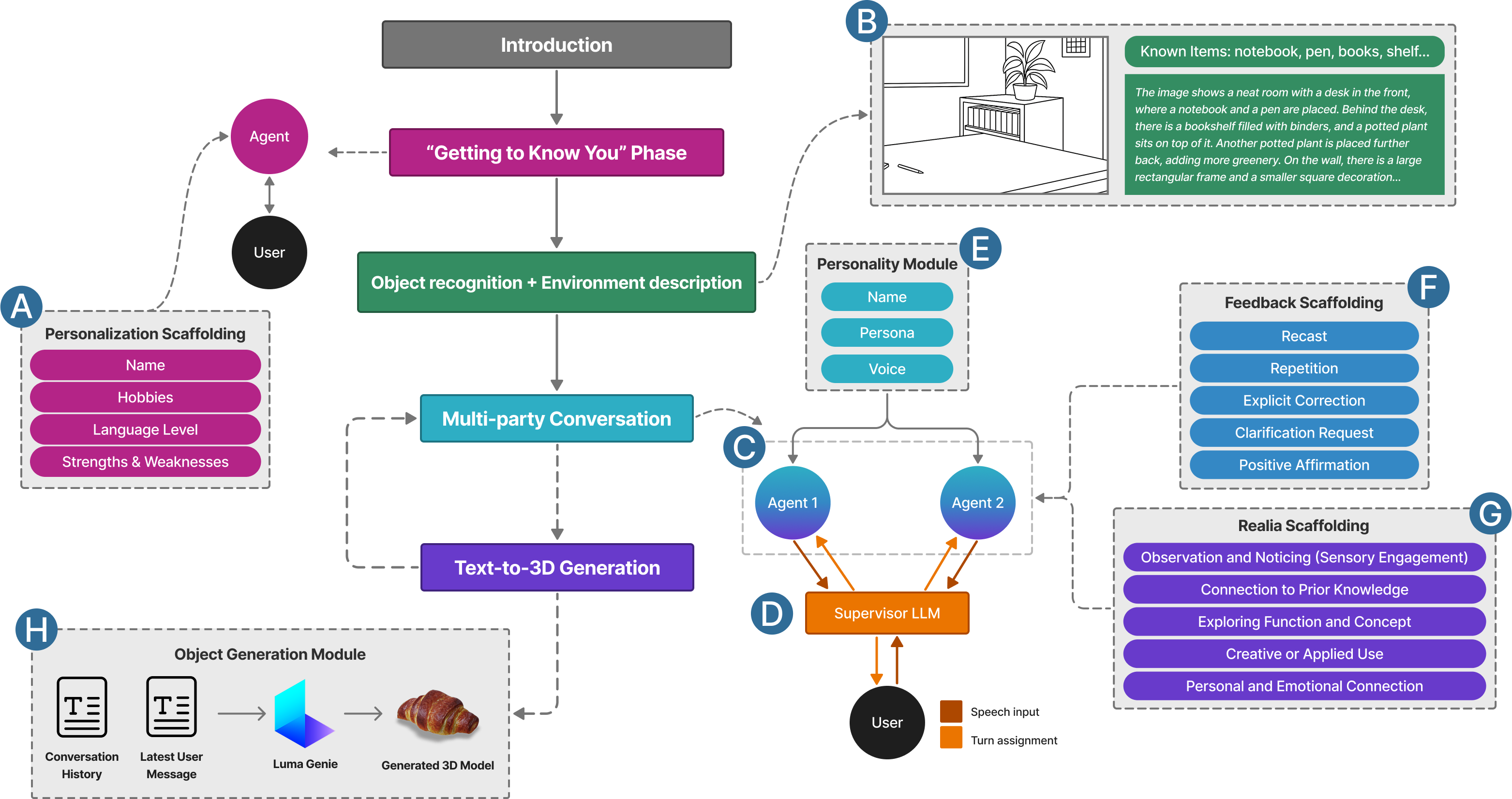
Figure 2: ConversAR interaction flow illustrating system assessment of language skills, and dynamic conversation initiation.
- Group Conversation with AI Agents: Following assessment, learners engage in group discussions with two AI agents. These conversations leverage real-world objects and personalized context to encourage participation.
- Real-time Feedback and Contextualization: The agents adapt their corrective strategies—including recasts and clarification requests—based on the user’s responses, ensuring instructional efficacy while maintaining conversational flow.
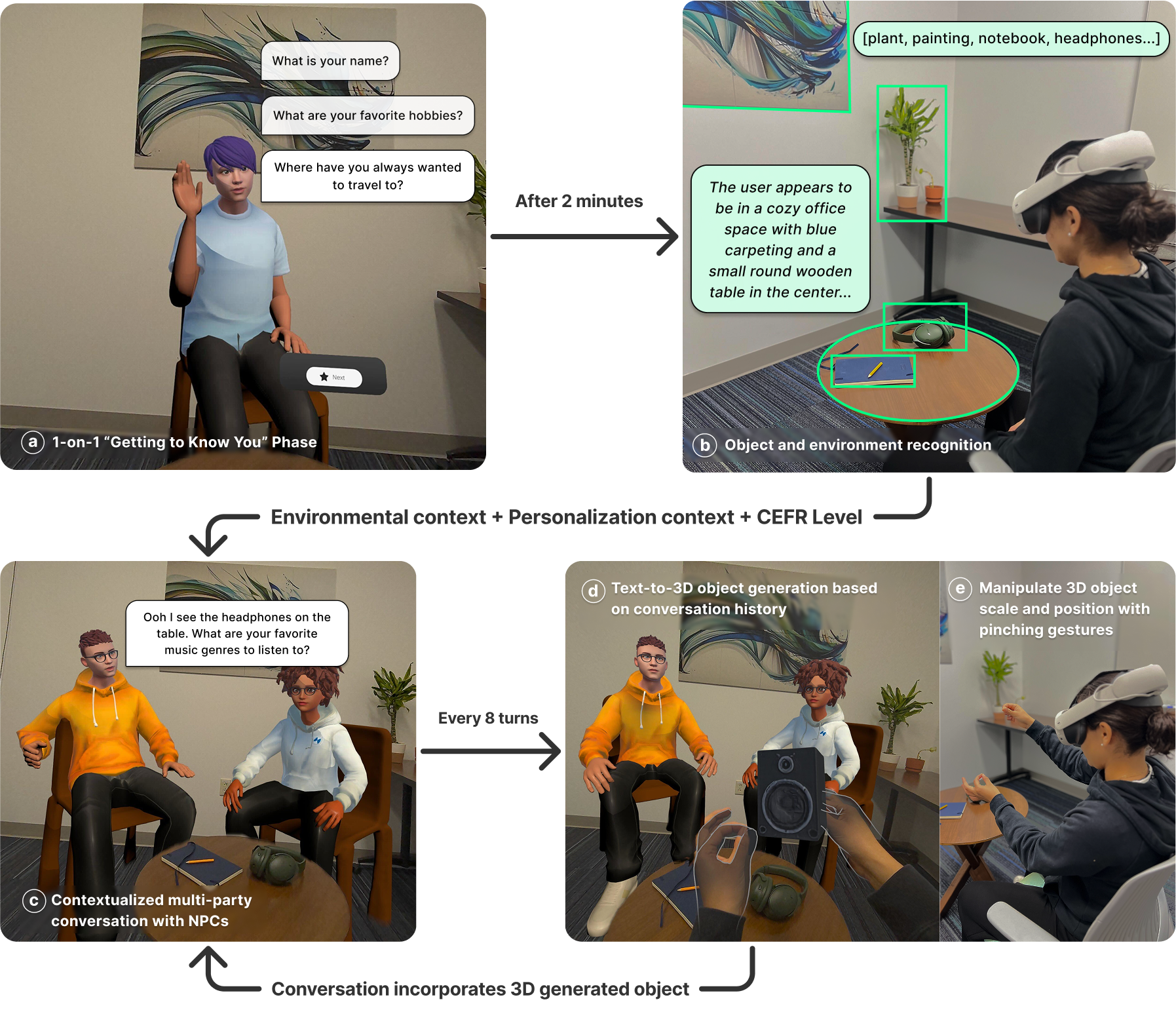
Figure 3: System Overview of ConversAR, showcasing adaptive group conversation referencing physical objects and personalized digital props.
Evaluation Metrics
The empirical evaluation involved 21 second-language learners, with notable metrics gathered from standardized surveys (e.g., CETI, SUS, NASA-TLX):
- Communicative Effectiveness: Participants reported high communicative effectiveness in structured interactions, although challenges remained in emotion expression.
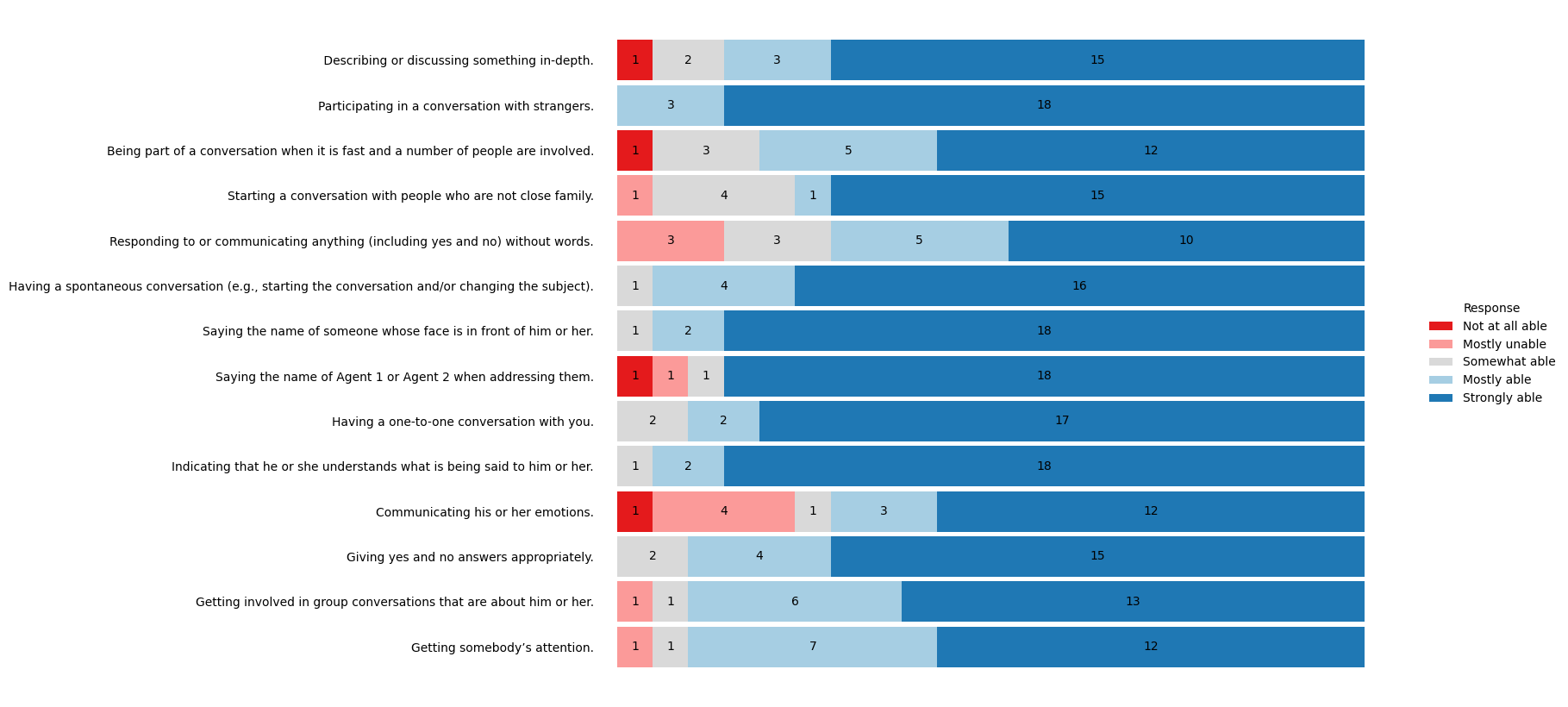
Figure 4: Communicative Effectiveness Index (CETI) Survey Results illustrating user confidence in various communication tasks.
- Usability and Engagement: The system usability survey (SUS) indicated high ease-of-use scores, demonstrating ConversAR's intuitive design facilitating language practice.
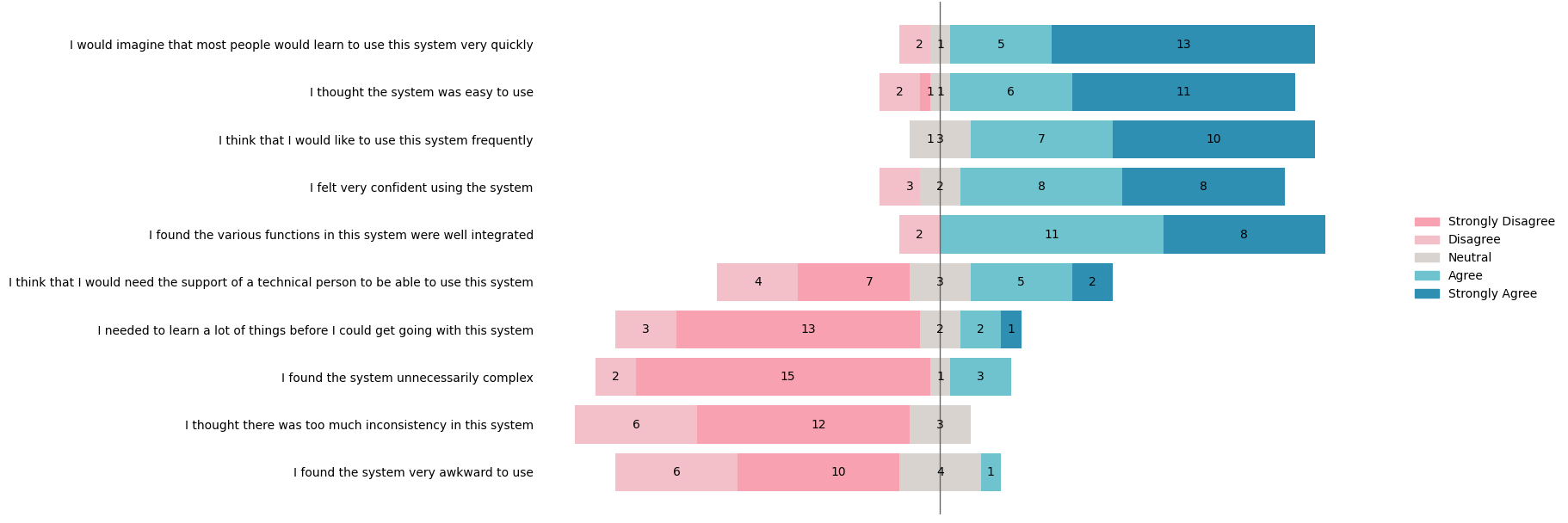
Figure 5: System Usability Survey Results, indicating overall positive user feedback in ease of use and engagement.
Discussion and Implications
ConversAR's distinct approach showcases promising implications for the future of language learning:
- Personalization and Engagement: The use of AI-driven personalization to match learner preferences is crucial for maintaining engagement and promoting willingness to communicate.
- Contextual Learning: Grounding conversations in a learner’s environment provides authentic learning experiences, enhancing retention and applicability of language skills.
- Challenges in Feedback Implementation: While corrective feedback is a valuable component, tuning the feedback to avoid overwhelming beginners and to match the learner’s level remains challenging.
Future directions for ConversAR development might explore increased customization of agent personalities to enhance learner-agent affinity and improve engagement. Additionally, refining 3D object generation to better match the conversational context could enhance interactivity and conversational depth.
Conclusion
The ConversAR system represents a significant advancement in MR-based language learning applications, providing learners with realistic and context-rich environments for language practice. By addressing traditional limitations in language education technology, ConversAR sets a foundation for future research and development in adaptive AI-driven educational tools. Through thoughtful integration of context, personalization, and immersive interaction, ConversAR has the potential to reshape how learners engage with language acquisition in dynamic and meaningful ways.