- The paper introduces a causal modeling framework that reveals asymmetric diffusion pathways in complex contagions.
- It quantifies influence using metrics like causal tie importance and node importance, highlighting the nonlinear impact of moderate ties.
- The study demonstrates that influence shifts from network cores to peripheries, challenging traditional centrality and weak tie theories.
Emergent Directedness in Social Contagion
Introduction
The study titled "Emergent Directedness in Social Contagion" investigates the unpredictability and complexity in the pathways through which complex contagions spread in social networks. Given the characteristics of complex contagions, where adoption requires influence from multiple peers, traditional notions of network influence and symmetry are challenged. Complex contagions typically traverse networks differently than simple contagions, which only require exposure from a single source. This paper explores the dynamics of these contagions and their implications on social network theories, particularly the role of weak ties and network bridging.
Causal Modeling Framework
The authors introduce a causal modeling framework to simulate network pathways and identify the most impactful nodes and edges in the diffusion process. This framework accounts for complex contagions' tendency to develop asymmetric influence pathways. The methodology involves simulating counterfactual spreading scenarios to generalize diffusion dynamics beyond limited empirical observations. Nodes and edges are ranked based on their causal impact, revealing emergent directedness in network influence.
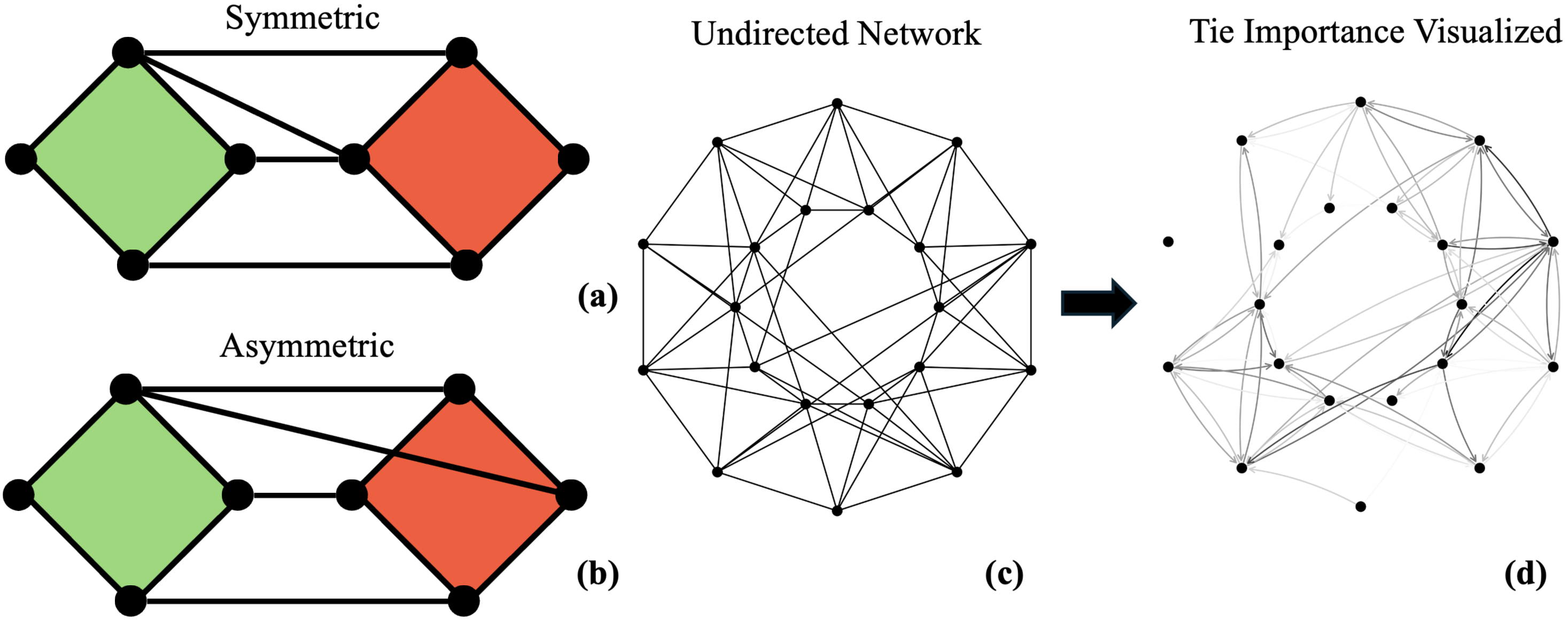
Figure 1: An Example of Emergent Directedness in Complex Contagion.
Methods of Measurement
The paper details several measures to quantify the emergent directedness observed in complex contagions:
- Causal Tie Importance (TI) and Causal Node Importance (NI): Indicators of nodes and edges that significantly contribute to contagion spread, normalized within the particular network setting.
- Causal Flow Symmetry Measure (Ξs): Assesses the symmetry in contagion spread, computed via Pearson correlation of directional causal tie importance across the network.
- Core-Periphery Flow Dynamics: Reviewed through correlations between node degree differences and tie importance asymmetry, identifying influence shifts between core and periphery regions with increasing contagion complexity.
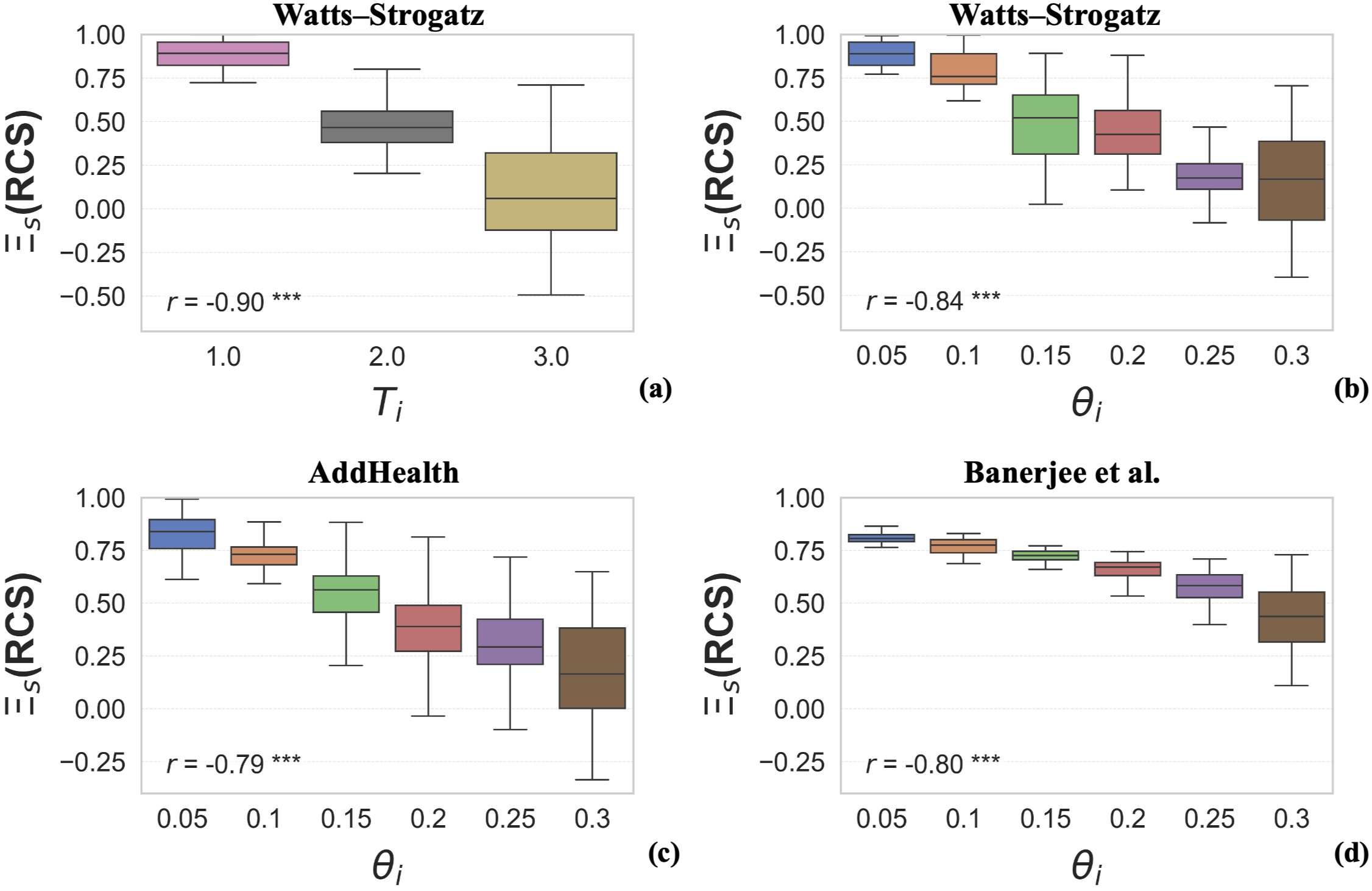
Figure 2: Effect of threshold values on symmetry.
Simulation Results and Findings
Analysis involving synthetic and empirical network datasets (such as Watts-Strogatz graphs, AddHealth, and Banerjee Village networks) revealed that higher contagion complexity results in increased asymmetry in influence flow. Weak ties, traditionally thought to facilitate mutual integration, preferentially direct contagions in one direction, indicating a non-reciprocal influence. Findings further challenge standard centrality metrics, showcasing that complex contagions often flow from the periphery to the network core.
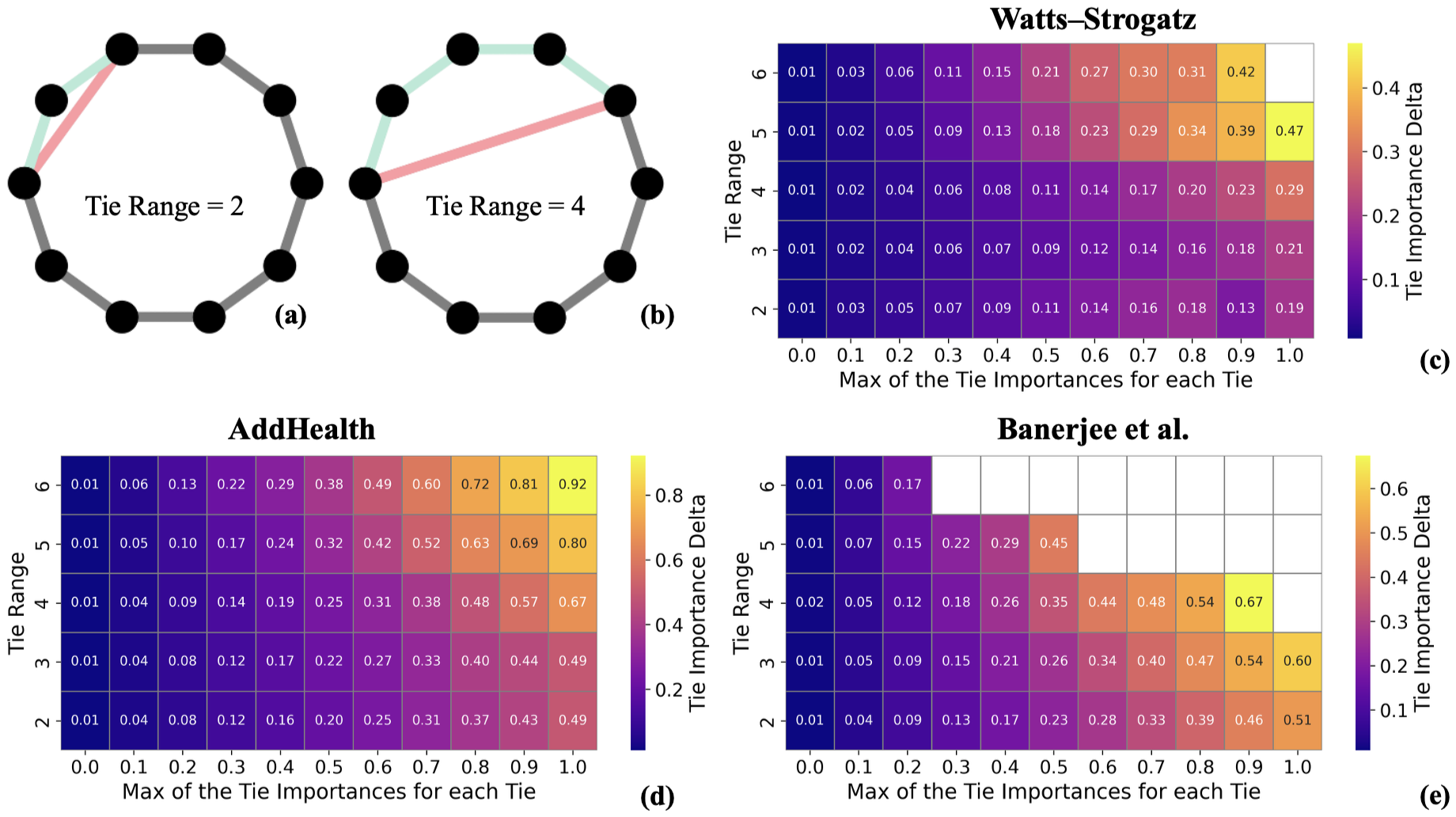
Figure 3: Structural Dependencies Between Tie Range and Causal Tie Importance Asymmetry Across Graph Types.
Nonlinear Impact of Tie Strength
Results demonstrated that moderately weak ties exert the most significant impact on contagion spreading, a nonlinear inverted u-shape effect consistent with empirical data from social network analyses such as job diffusion on LinkedIn. This challenges both the strength of weak ties theory and complex contagion theory by suggesting a distribution where medium-strength ties are crucial.
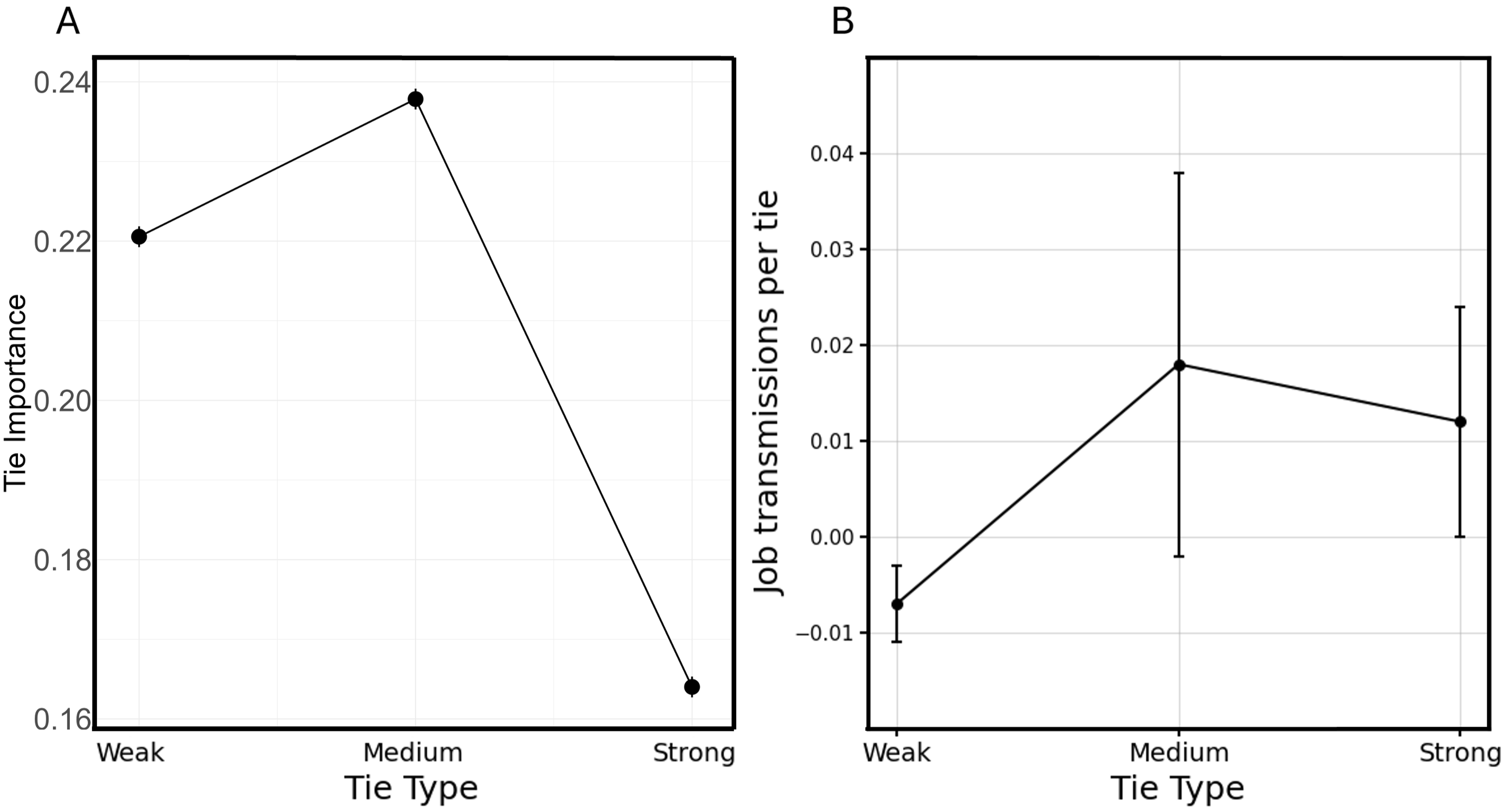
Figure 4: Tie importance in complex contagion spreading and job mobility.
Core to Periphery Dynamics
The emergent directedness model identifies a realignment in influence dynamics, shifting power from core nodes to peripheral nodes with increasing relative thresholds. This shift illustrates that, contrary to traditional views, network hubs may become resistant to influence, empowering peripheral nodes in diffusion processes through clustered local reinforcement structures.
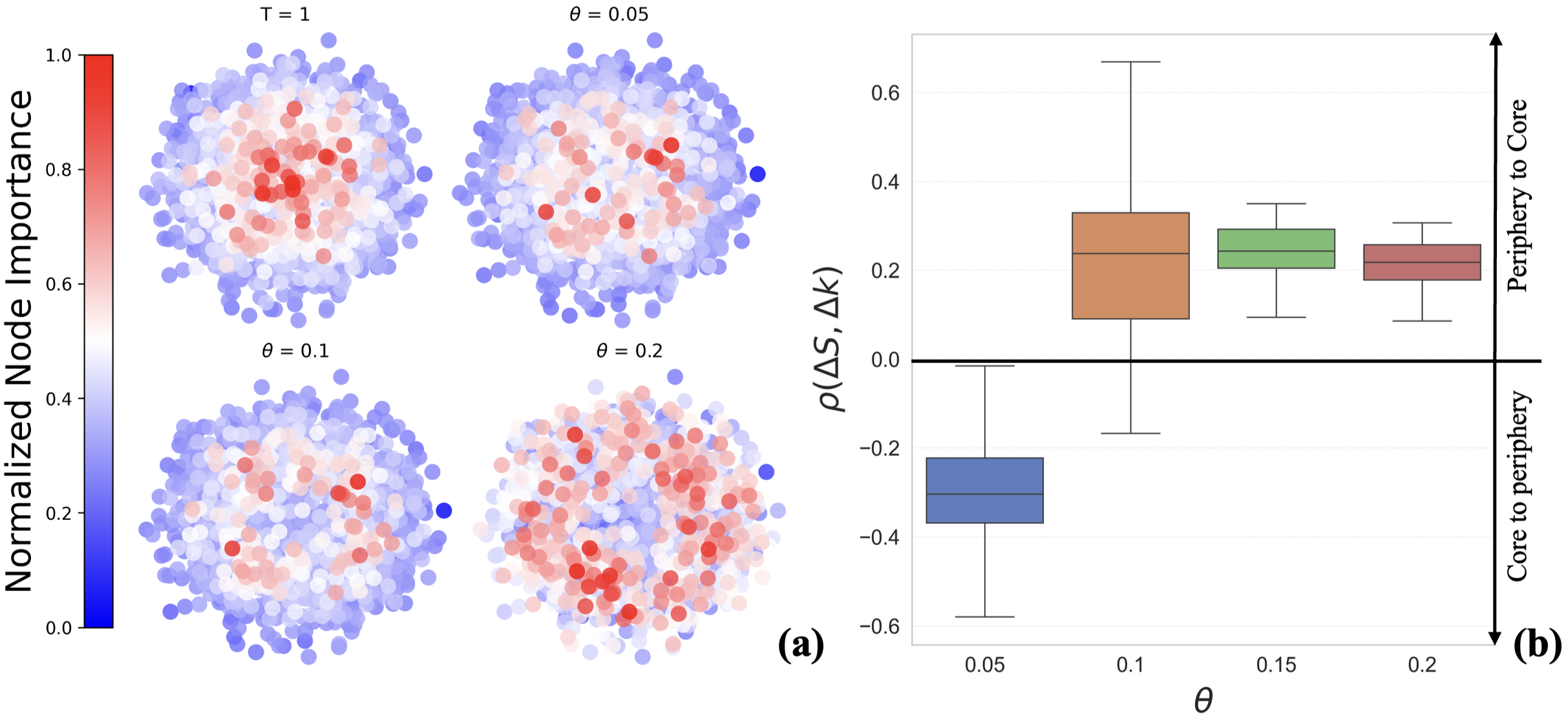
Figure 5: Global Realignments of Node Importance and Influence Flow Induced by Complex Contagions.
Simulations of bridge formation between networks reveal that bridges forming randomly tend toward asymmetric influence flow. The inclusion of triadic closure constraints increases symmetric bridge formation likelihood, indicating that randomness in tie formation tends to undermine symmetrical integration between network communities.
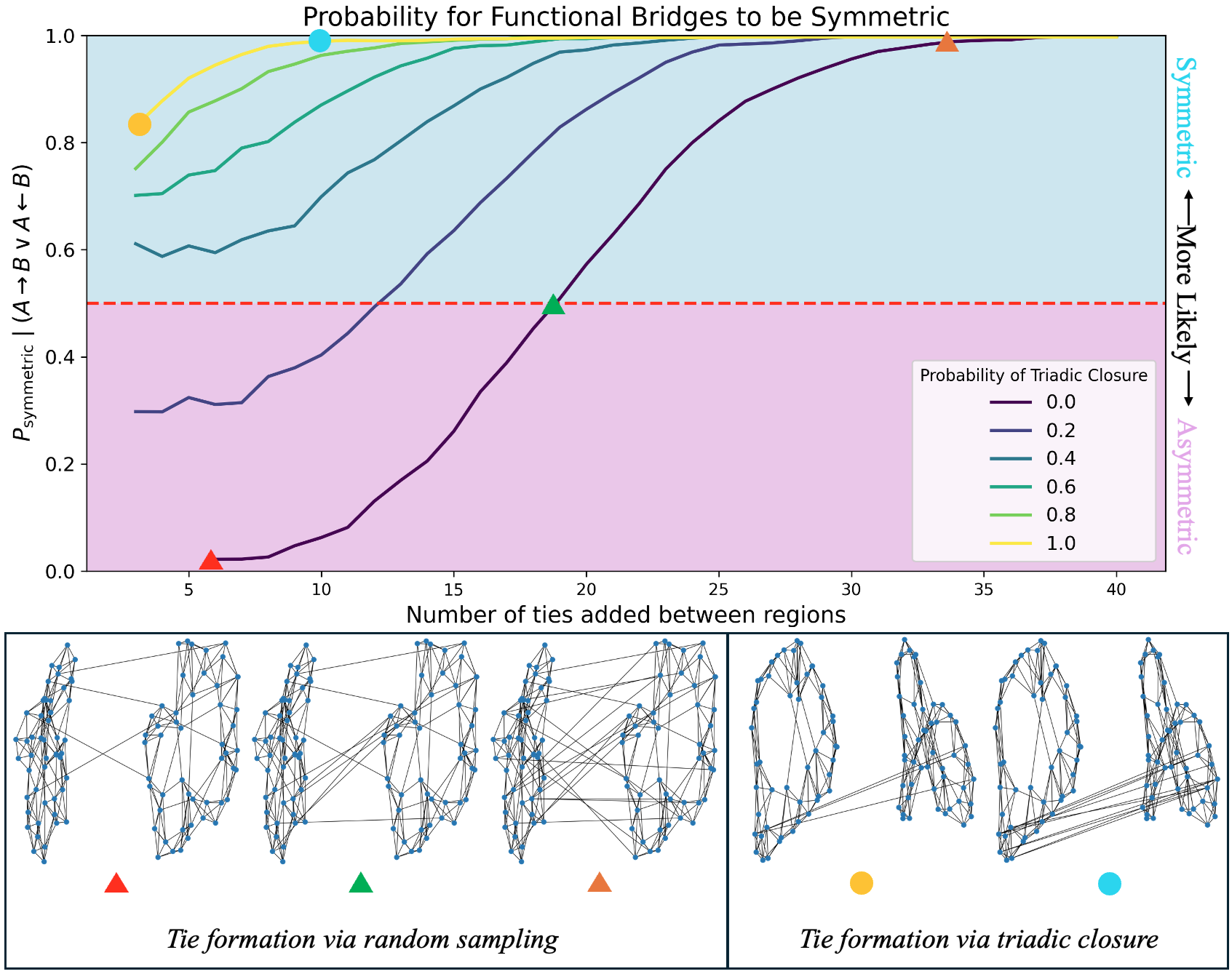
Figure 6: Probability of symmetrical functional bridge formation influenced by triadic closure.
Conclusion
This study offers significant insights into how complex contagion dynamics redefine influence pathways in social networks, challenging traditional models of mutual influence and network centrality. The emergent directedness observed, driven by contagion complexity and reinforced by structural and cultural factors, suggests that strategic network interventions must account for these asymmetric influences. Practical applications span organizational network design, public policy, and adaptive network-based interventions. Future research might explore broader implications across biological and cognitive systems, potentially impacting our understanding of collective behavior and semantic processing in neural networks.

