- The paper reveals episodic star formation in the inner Milky Way via precise Gaia CMD fitting of super metal-rich stars.
- It employs robust methods, including 3D dust corrections, rigorous quality cuts, and synthetic CMDs from BaSTI-IAC models.
- The study links distinct star formation bursts to merger events and bar-induced radial migration, refining Galactic evolution models.
Stellar Age Distribution in the Inner Milky Way from Gaia CMD Fitting
Introduction
This paper presents a detailed analysis of the stellar age distribution in the inner Milky Way (MW) using Gaia colour-magnitude diagram (CMD) fitting, focusing on super metal-rich stars ([M/H] ∼ 0.5) in the solar neighbourhood. The study leverages the ChronoGal project’s CMDft.Gaia methodology to extract star formation histories (SFHs) from Gaia data, circumventing the observational challenges posed by extinction and crowding in the Galactic center. The central hypothesis is that super metal-rich stars found locally were born in the inner Galaxy and migrated outward, thus their age distribution reflects the star formation chronology of the MW’s central regions.
Data and Methodology
The analysis utilizes Gaia DR3 data, selecting stars within a 1 kpc radius cylinder centered on the Sun and extending up to 3.5 kpc in height. Rigorous quality cuts are applied to ensure photometric and astrometric precision, including extinction corrections using two independent 3D dust maps and parallax quality thresholds. The sample is stratified into 16 vertical layers to probe the z-dependence of stellar populations.
CMDft.Gaia employs synthetic CMDs generated from the BaSTI-IAC stellar evolution library, incorporating a Kroupa IMF and a 30% unresolved binary fraction. Completeness and observational uncertainties are simulated, and the fitting procedure uses a weighted scheme based on age variance in CMD pixels. The age grid spans 0.02 to 13.5 Gyr, with metallicities from -2.2 to 0.45 dex.
The age-metallicity distributions reveal a non-continuous, bursty age profile for super metal-rich stars, with distinct peaks at ∼13.5, 10, 7, 4, 2, and <1 Gyr. These populations are most prominent within 0.6 kpc of the Galactic plane and diminish at higher z. The fraction of super metal-rich stars exceeds 5% within 400 pc of the plane, a significant proportion given their expected origin in the inner Galaxy.
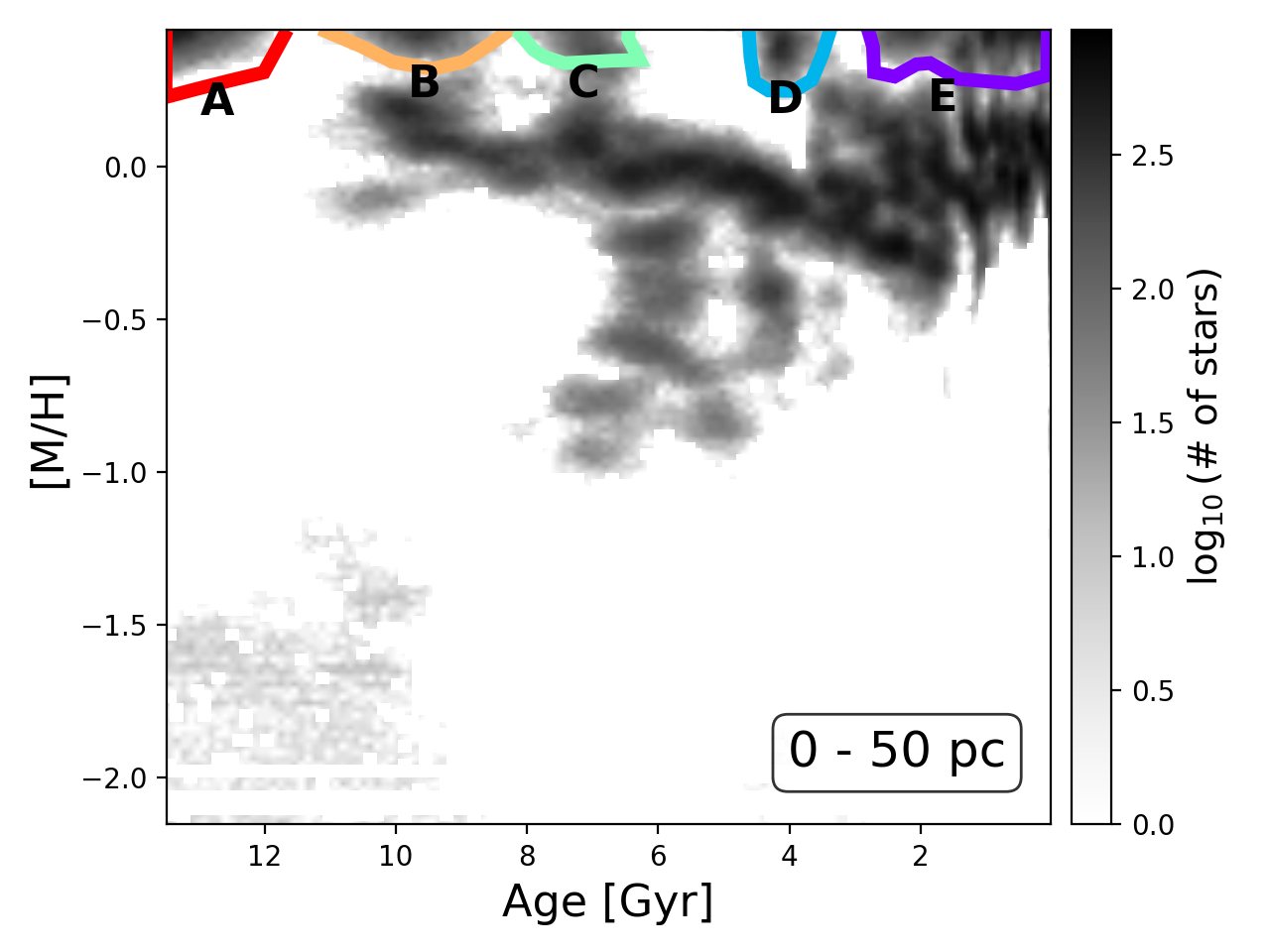
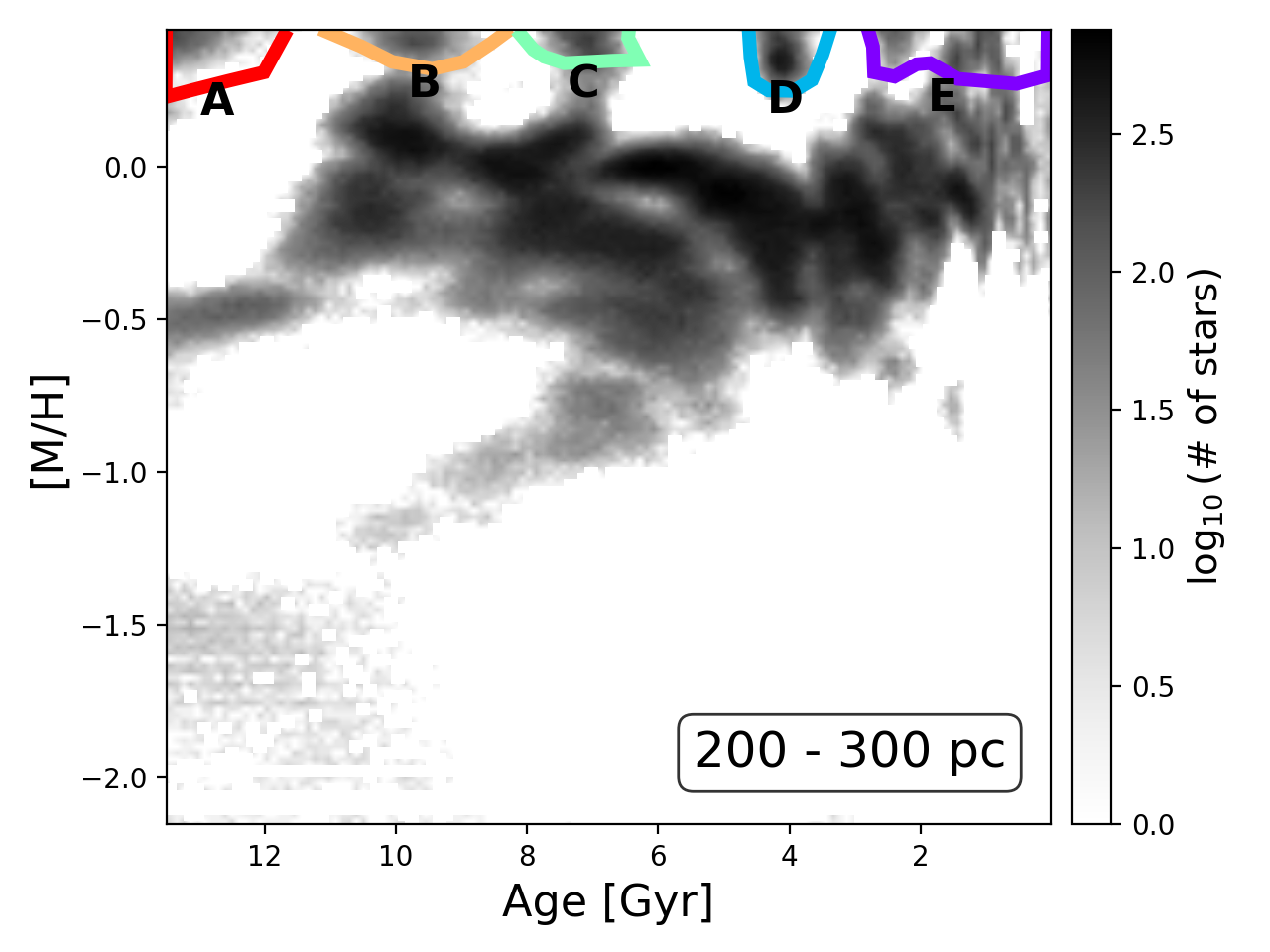
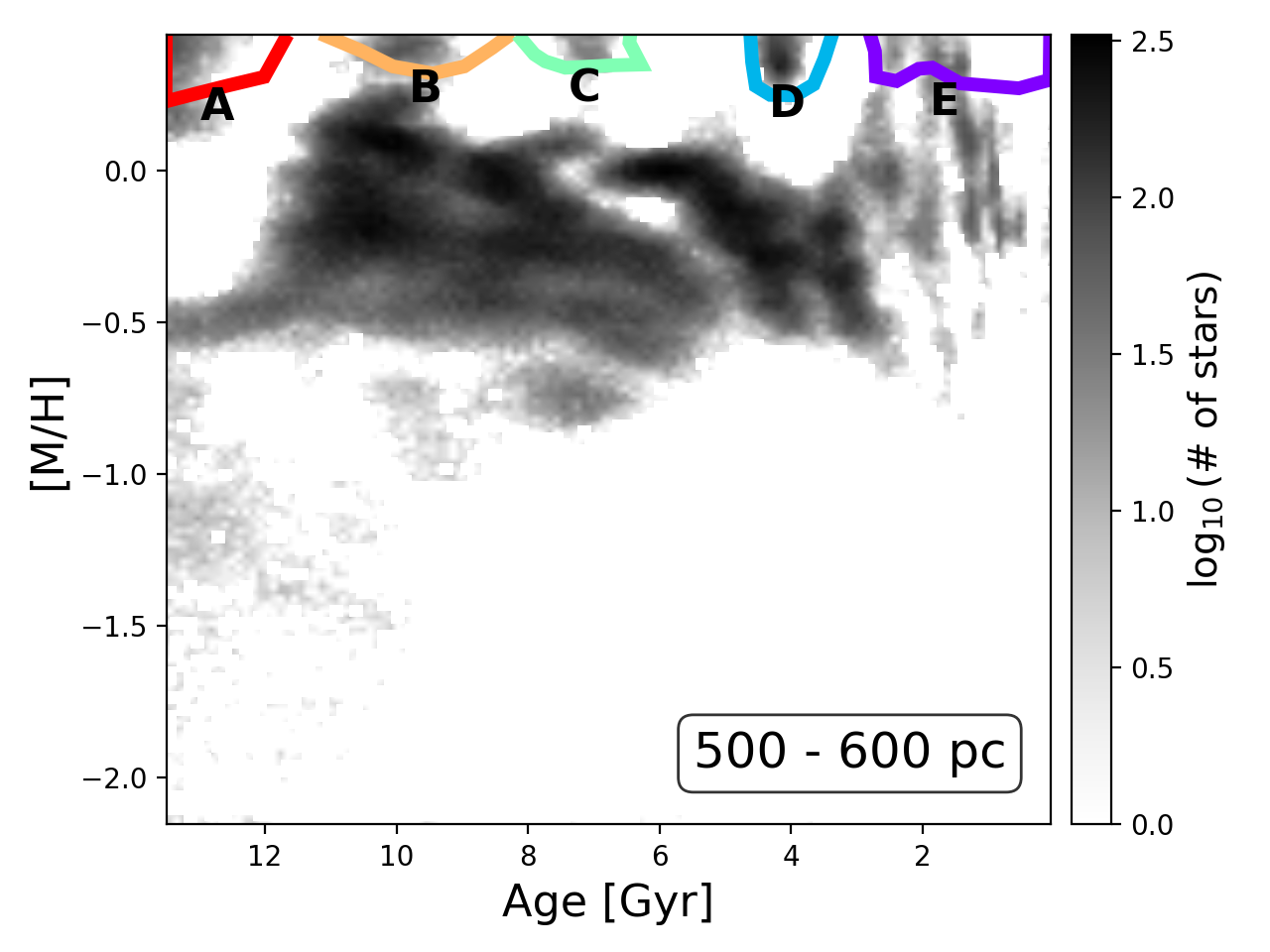
Figure 1: Stellar density distribution in the age-metallicity plane for representative volumes, highlighting discrete super metal-rich populations.
The z-profiles of these events show a steep decline with height, consistent across different extinction maps, supporting the robustness of the findings against reddening uncertainties.
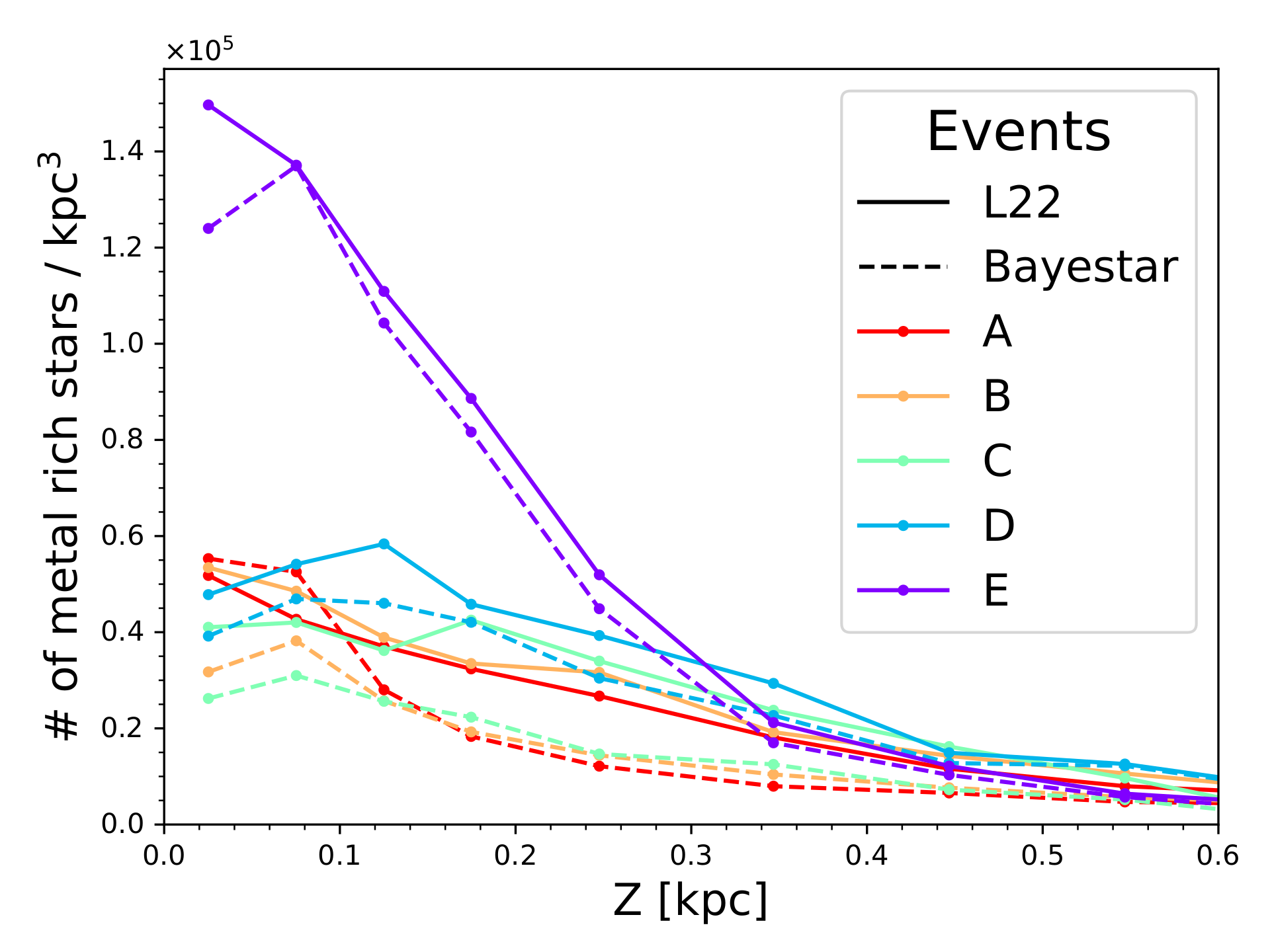
Figure 2: z-profile of number density for five super metal-rich star formation events, demonstrating their confinement to the disc.
Comparison with Cosmological Simulations
Auriga Superstars cosmological simulations of barred spiral galaxies corroborate the observational results. In these simulations, super metal-rich stars with discontinuous age distributions are found in solar neighbourhood analogues, having migrated from the inner bar and bulge regions. The timing of star formation bursts in the simulations aligns with pericentric passages of massive subhalos, suggesting a causal link between satellite interactions and episodic central star formation.
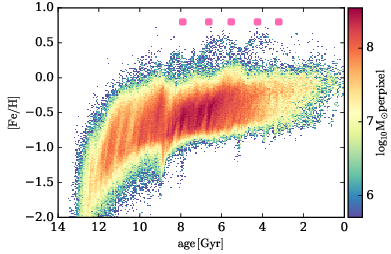
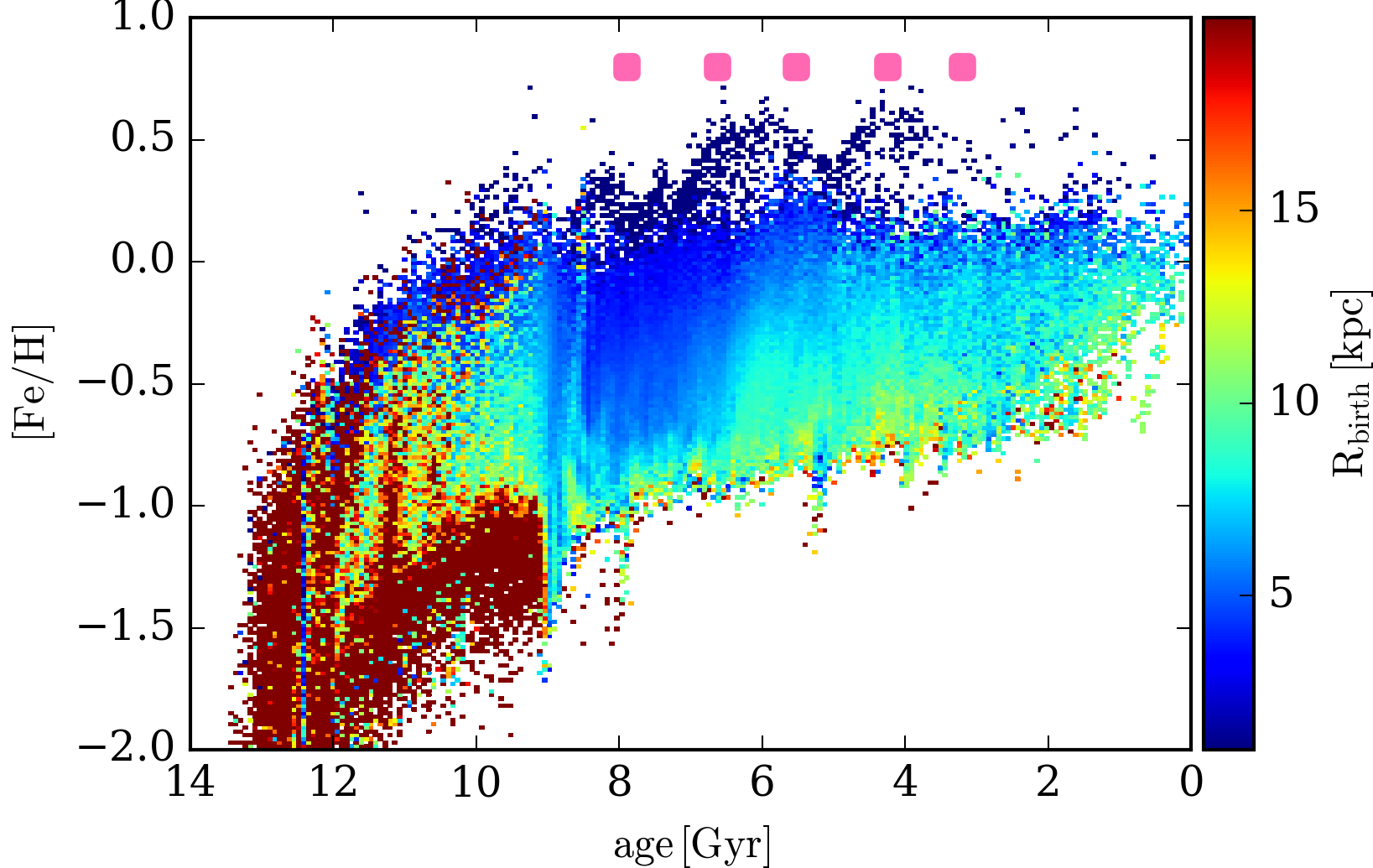
Figure 3: Stellar age-metallicity distribution in a simulated solar neighbourhood, colour-coded by birth radius and highlighting merger-induced bursts.
Kinematic and Chemical Properties
High-quality Gaia DR3 GSP-Spec data confirm the presence of super metal-rich stars across a wide age range in the solar neighbourhood. Kiel diagrams and orbital analyses reveal two kinematic families: "slow" stars with low ∣vϕ∣, low guiding radii, and high eccentricity (likely migrated via blurring), and "fast" stars with solar-like orbits (migrated via churning). Young metal-rich stars are predominantly found among the fast population, indicating churning as the dominant migration mechanism for recent arrivals.
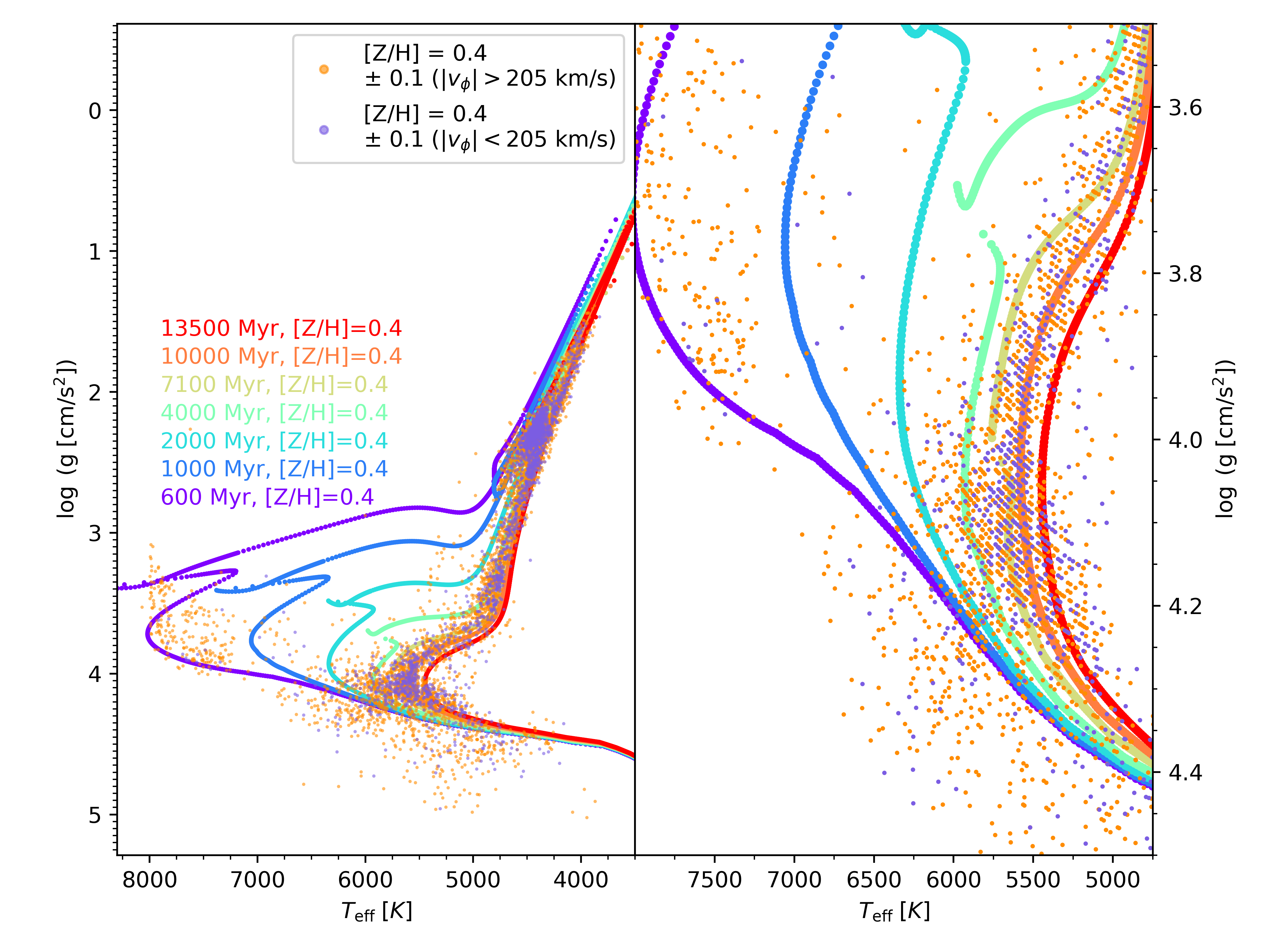
Figure 4: Kiel diagram of super metal-rich stars, overlaid with BaSTI isochrones for discrete ages, confirming episodic star formation.
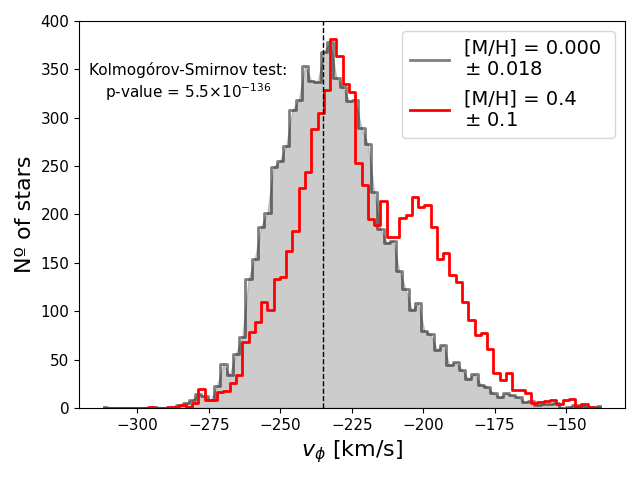
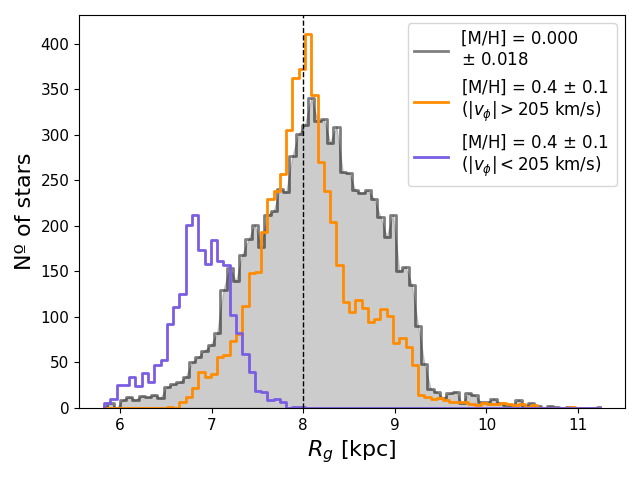
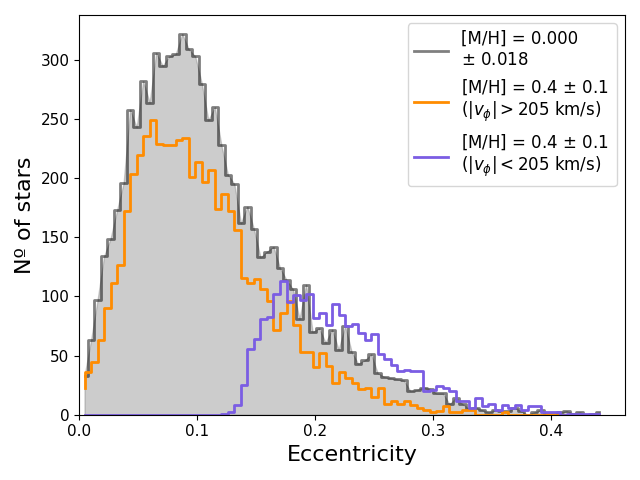
Figure 5: Orbital properties of metal-rich stars compared to solar-metallicity stars, illustrating distinct migration channels.
Implications for Galactic Evolution
The discrete age distribution of super metal-rich stars is interpreted as evidence for episodic, global star formation enhancements in the MW, likely triggered by major accretion events and satellite interactions (Gaia-Enceladus-Sausage, Sagittarius, Magellanic Clouds). The timing of these bursts matches known merger epochs, supporting a scenario where external perturbations drive central star formation and rapid chemical enrichment. The presence of these stars at solar radii is attributed to bar-induced radial migration, with both churning and blurring mechanisms contributing.
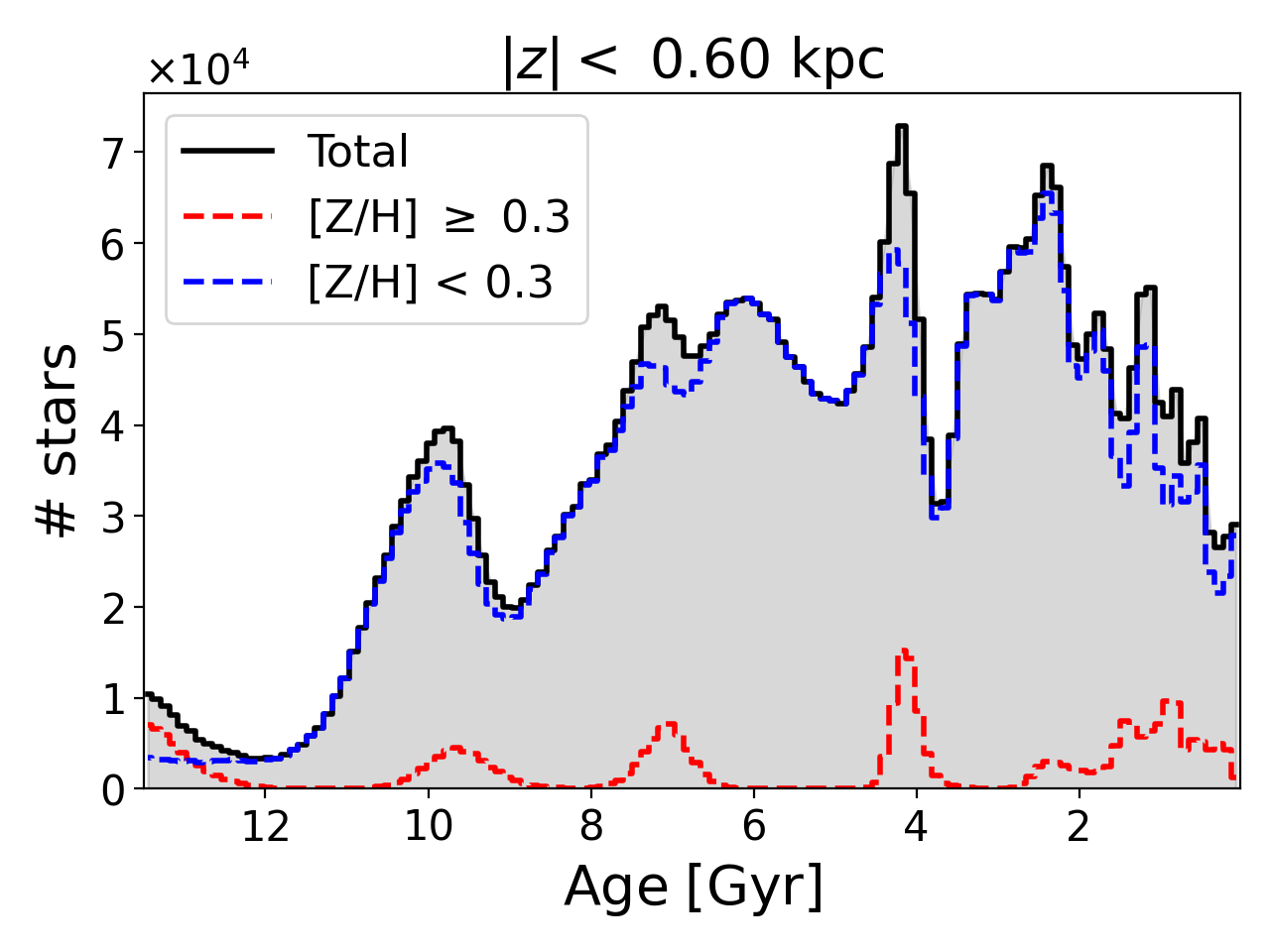
Figure 6: Integrated stellar age distribution within 0.6 kpc of the plane, showing alignment of star formation peaks across metallicity bins.
The absence of a merger counterpart for the 4 Gyr event suggests either an unrecognized accretion or a late bar formation episode, consistent with some recent theoretical models.
Theoretical and Practical Implications
The findings constrain dynamical models of the MW bar and the efficiency of radial migration mechanisms. The episodic nature of star formation in the inner Galaxy challenges models assuming continuous SFHs and supports scenarios where external interactions play a dominant role. The methodology demonstrates the power of CMD fitting for reconstructing Galactic history, providing high-resolution age-metallicity distributions unattainable by traditional isochrone fitting or spectroscopic surveys alone.
Conclusion
This study establishes that the inner MW’s stellar age distribution is highly episodic, with super metal-rich stars serving as tracers of discrete star formation events linked to the Galaxy’s accretion history and bar dynamics. The results have significant implications for models of Galactic evolution, the role of radial migration, and the interpretation of local stellar populations. Future work should focus on refining the chronology of merger events, improving dynamical models of bar-induced migration, and extending CMD fitting techniques to other regions of the MW and external galaxies.