- The paper introduces AF-Xray, a tool that visualizes and resolves ambiguities in legal argumentation frameworks by overlaying 2-valued semantics on 3-valued solutions.
- It utilizes layered visualization and game-theoretic metrics to classify attack edges and identify critical sets that decisively change argument outcomes.
- The approach streamlines legal reasoning for both experts and non-experts, providing a systematic alternative to traditional Value-based frameworks.
AF-XRAY: Visual Explanation and Resolution of Ambiguity in Legal Argumentation Frameworks
Introduction
The paper introduces AF-Xray, an innovative tool that enhances the understanding and analysis of Abstract Argumentation Frameworks (AFs) in legal scenarios. Modern argumentation frameworks, rooted in the principles laid out by Dung, present formal methodologies for assessing case law through constructs like skeptical reasoning. However, in instances of ambiguity, these frameworks require further resolution strategies—such as Value-based or Extended AFs—to elucidate and justify argument acceptance (2507.10831).
AF-Xray Framework
AF-Xray stands on the open-source PyArg system's foundation and brings several novel features to the table, focusing on simplifying the resolution of ambiguous cases for non-experts. Its primary components include:
- Layered AF Visualization: Utilizing game-theoretic length-related metrics, AF-Xray introduces a tiered visualization method that illustrates hierarchical argument positions and their lengths, essentially depicting minimal rounds required for resolution under skeptical semantics.
- Classification of Attack Edges: Employing a detailed categorization approach derived from game-theoretic types, this innovation enables users to better discern between primary and secondary attacks, and filter out irrelevant "blunders."
- Overlay of Solutions: AF-Xray allows interactive examination of alternate solutions (labelings) by superimposing 2-valued solutions onto the baseline 3-valued semantics, facilitating deeper analysis of argument statuses.
- Critical Attacks Identification: By pinpointing critical sets of attack edges whose nullification resolves the undecided arguments, AF-Xray equips users to systematically explore all potential resolutions to legal ambiguities.
AF-Xray in Application
This tool is built to process AFs submitted as directed graphs, providing users a visual interface for selecting semantic frameworks like grounded, stable, or preferred semantics. Argument statuses, whether accepted, undecided, or defeated, are visually emphasized for clarity.
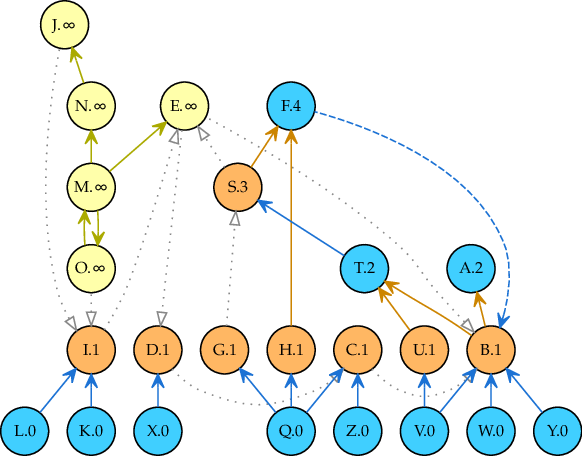
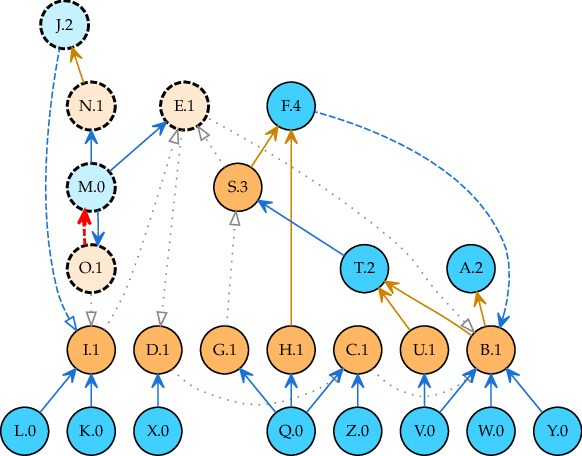
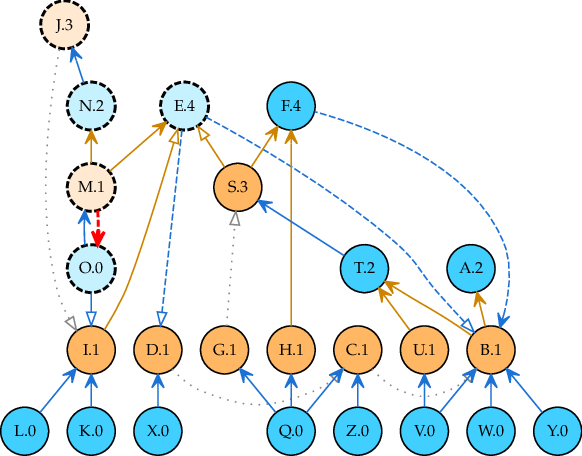
Figure 1: AF-Xray visualizations of the Wild Animals cases (2507.10831).
The figure demonstrates the AF-Xray's features through a legal scenario: a layered visualization for the initial 3-valued solution S0, and overlay examples displaying stable solutions resolved via critical attacks.
Practical Implications
AF-Xray's design offers several practical advantages in the context of legal reasoning. It provides a structured interface for non-experts to examine legal scenarios with an intuitive visualization layout, thus streamlining decision processes in law-driven AI systems. Moreover, its ability to generate all critical sub-graphs offers a systematic exploration of decision options that challenge prior methodologies like Value-based AFs, which typically require predetermined attack edge choices.
Conclusion
AF-Xray marks a significant advancement in legal AI tools, specifically in abstract argumentation frameworks for law. Its enhancements facilitate deeper semantic insights and allow users to demystify complex legal arguments through interactive and visually intuitive methods. As AI continues to influence legal reasoning, AF-Xray sets a precedent for the types of sophisticated, user-friendly tools that will play crucial roles in future developments and applications.