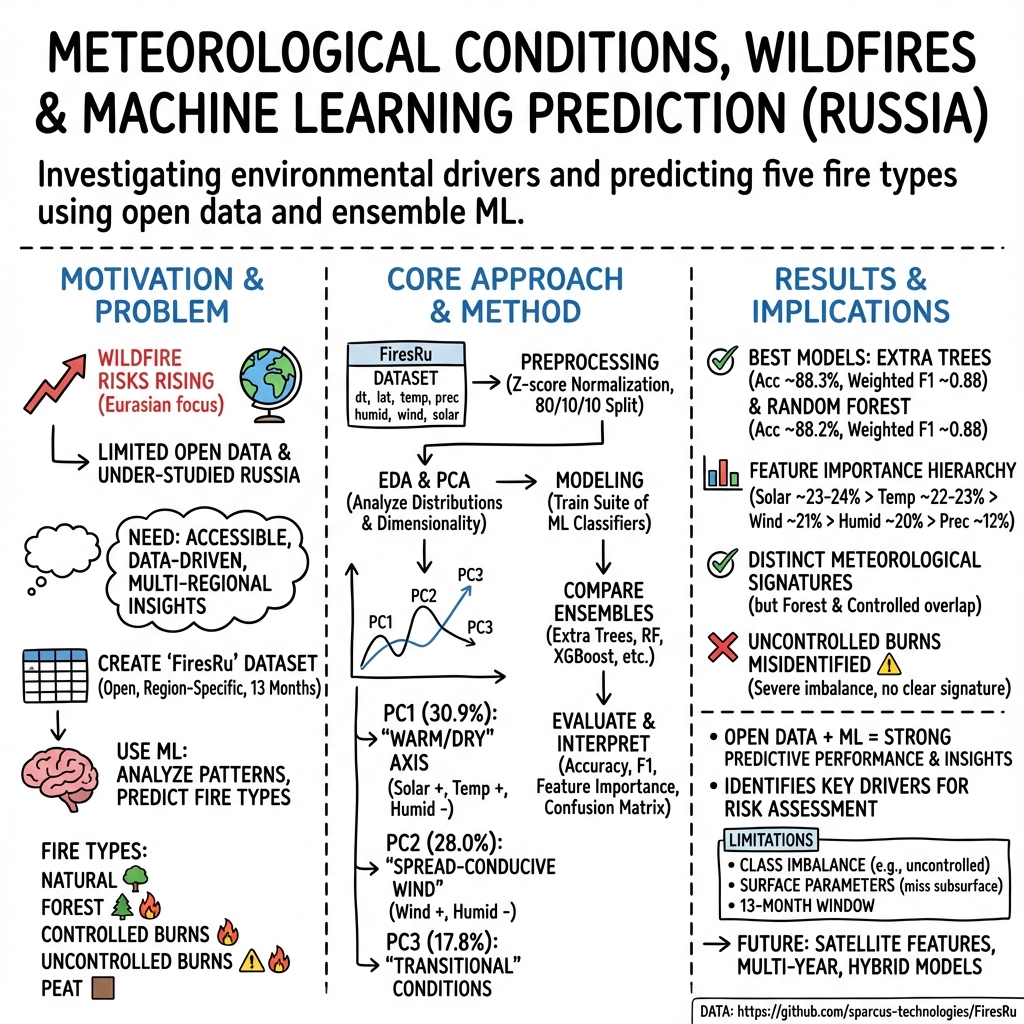
- The paper introduces the FiresRu dataset—a comprehensive 13-month record of wildfire events and meteorological data—to advance fire understanding.
- It applies ensemble and deep learning techniques, emphasizing solar radiation, temperature, and wind speed as key predictors in fire dynamics.
- The study’s ML models capture non-linear fire behavior, highlighting challenges in classifying uncontrolled burns and the need for further model refinements.
Advancing Eurasia Fire Understanding Through Machine Learning Techniques
Introduction
The paper "Advancing Eurasia Fire Understanding Through Machine Learning Techniques" (2502.17023) addresses the intricate dynamics of wildfires across the Russian landscape, highlighting the necessity of advanced data-driven methodologies in fire management. The authors introduce a substantial open-access dataset covering 13 months of wildfire incidents and corresponding meteorological conditions, aiming to fill gaps caused by limited data accessibility. The study emphasizes the growing role of ML in identifying critical fire behavior patterns across diverse ecosystems, promoting proactive and informed fire management strategies.
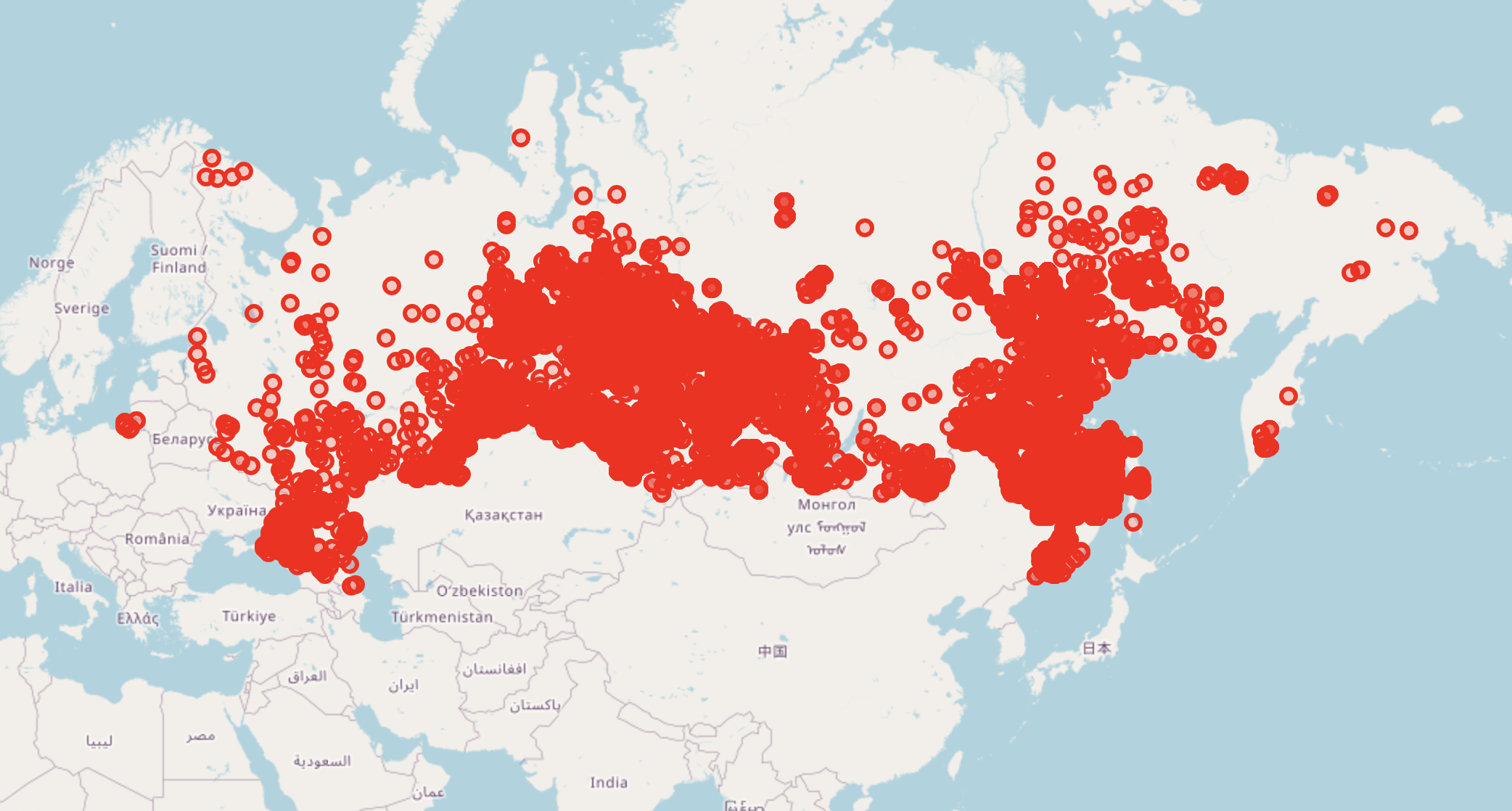
Figure 1: Unique Fire Locations.
Russia's vast ecosystems, from dense forests to tundra, significantly influence Eurasian fire dynamics, necessitating comprehensive studies. The complexity introduced by factors such as climate variability, anthropogenic activities, and vegetation diversity requires innovative data-driven approaches beyond traditional empirical models.
Literature Review
The evolution of fire prediction modeling has progressed from simplistic statistical methods to intricate machine learning techniques. Early methodologies, relying on logistic regression and linear models, often failed to encapsulate the complex, non-linear interactions governing fire behavior. Subsequent advancements with ensemble methods like Random Forests and gradient boosting demonstrated improved performance in processing rich, high-dimensional datasets and producing interpretable feature importance rankings. These methods have effectively captured the intricate relationships between environmental variables and fire incidents.
The emergence of deep learning marked a pivotal shift, particularly in using CNNs for spatial analysis of satellite imagery and LSTM networks for temporal dependency modeling. Furthermore, hybrid approaches integrating Graph Neural Networks and attention mechanisms have excelled in simultaneously capturing spatial and temporal fire dynamics.
Contemporary research focuses on real-time prediction capabilities, driven by edge computing and multi-source data integration, enabling agile responses to fire events. The field continues to evolve with explorations into explainable AI, transfer learning, and multimodal data fusion to enhance interpretative clarity and predictive accuracy in complex ecological systems.
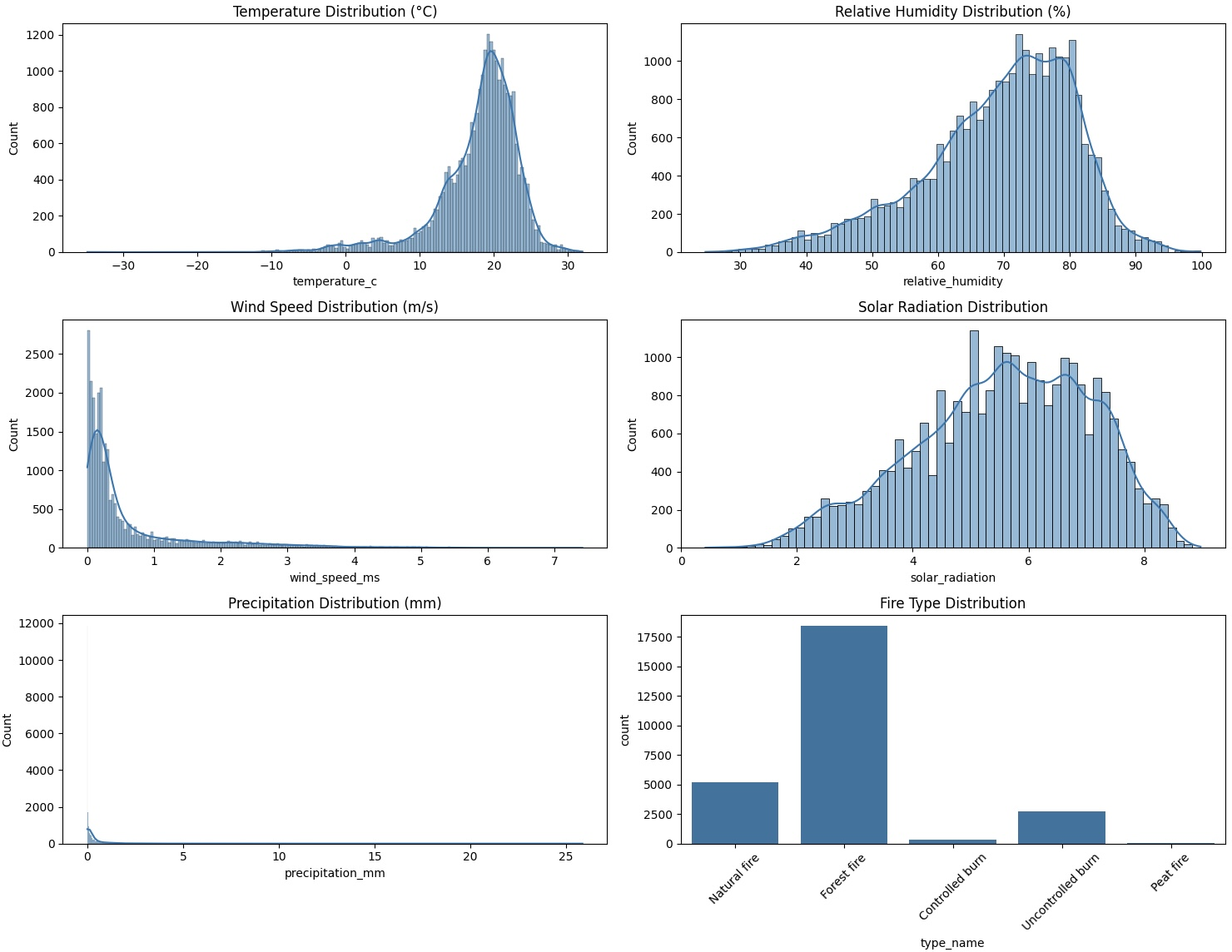
Figure 2: Feature Values Distribution.
Methodology
Dataset Overview
The study presents the FiresRu dataset, a comprehensive compilation of wildfire events and associated meteorological conditions across Russia. Spanning 13 months, it encompasses diverse fire types: natural fires, forest fires, controlled burns, uncontrolled burns, and peat fires. This dataset, characterized by significant geographical and climatic variability, provides an invaluable resource for analyzing fire-ecology relationships.
Data Analysis
Analyzing the dataset reveals distinct environmental patterns associated with different fire types. Temperature and solar radiation notably influence fire occurrence, highlighting their roles in altering fuel moisture and creating favorable ignition conditions. The dataset's class imbalance, evident in the predominance of forest fires, poses challenges commonly addressed through advanced machine learning techniques.
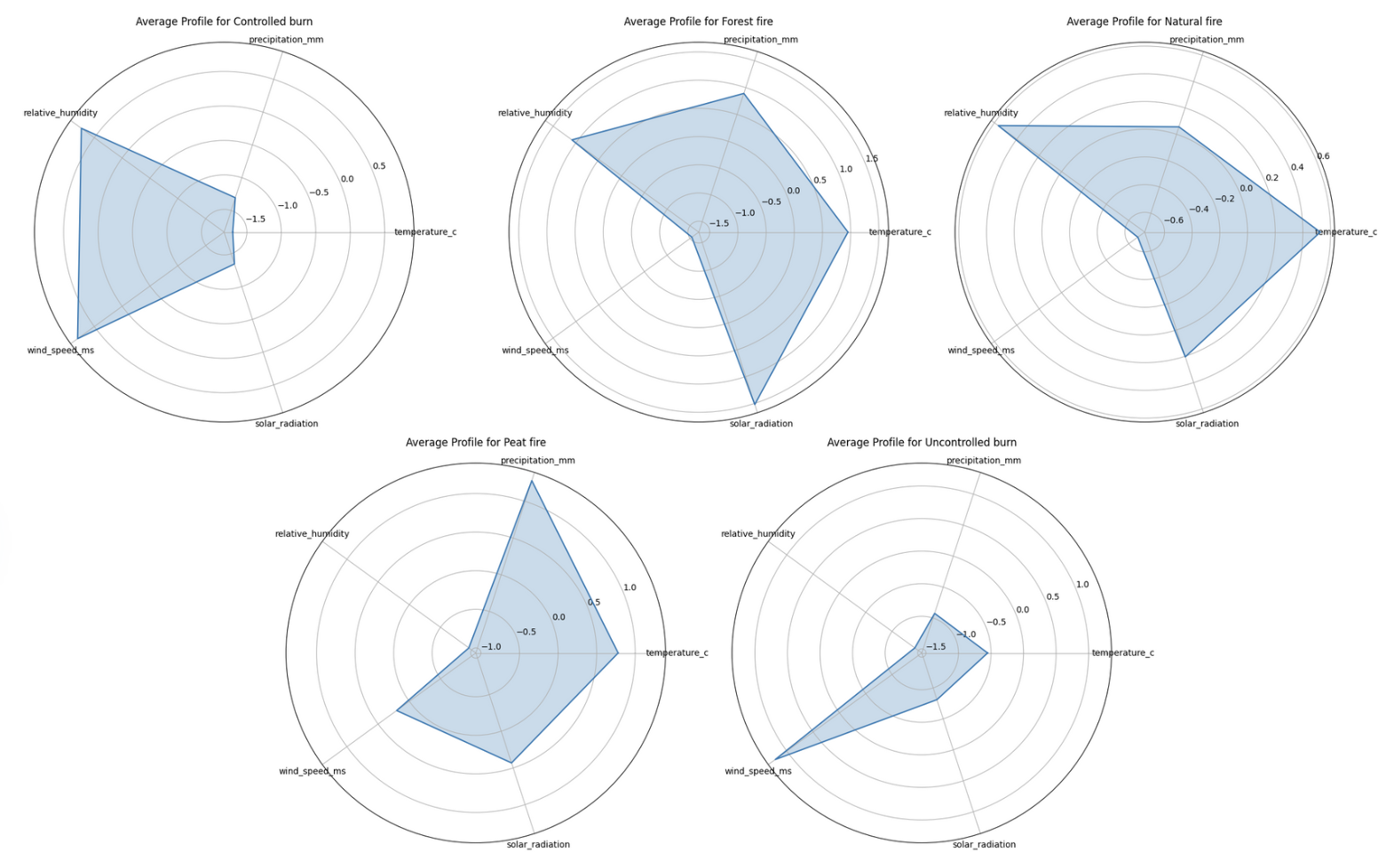
Figure 3: Average Profiles of Fire Types.
Principal Component Analysis (PCA) elucidates the primary environmental factors influencing fire dynamics, aligning with existing literature on fire weather conditions. The study explores the meteorological signatures distinguishing fire types, paving the way for more nuanced classification systems.
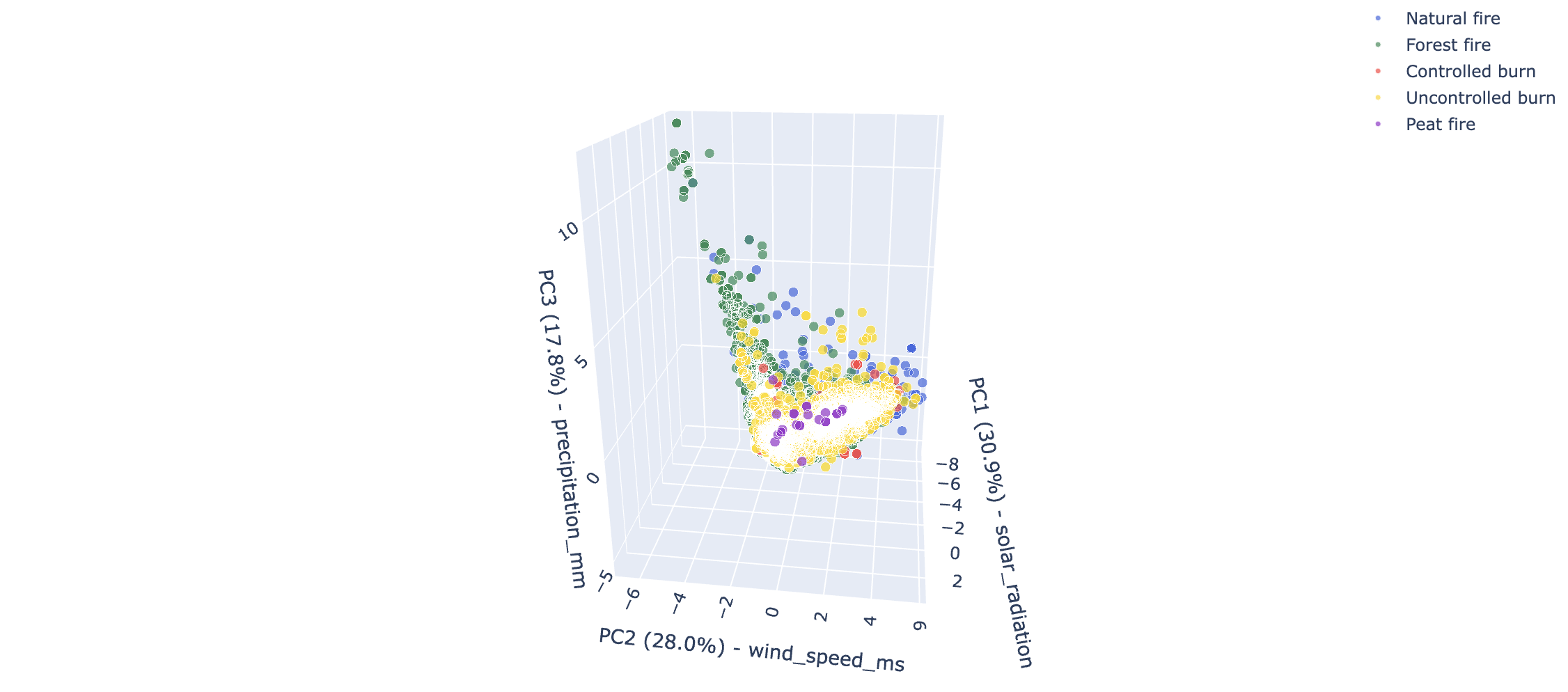
Figure 4: Fire Type Clusters in 3D PCA Space.
Modeling
The authors explore various machine learning models to predict fire types, with ensemble methods like Extra Trees and Random Forest demonstrating superior accuracy, owing to their capacity to capture complex interactions. Feature importance analysis underscores solar radiation's critical role in fire dynamics, followed closely by temperature and wind speed.
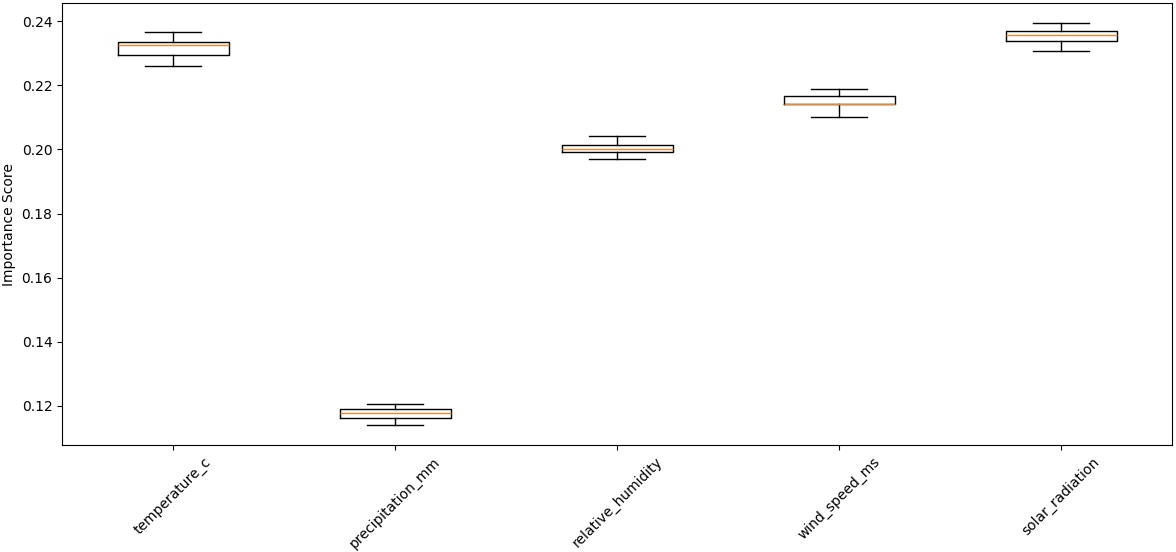
Figure 5: Feature Importance in Random Forest Model.
Despite solid performance, the models exhibit challenges in accurately classifying uncontrolled burns, indicating the need for further refinement in capturing the diverse conditions under which such fires occur.
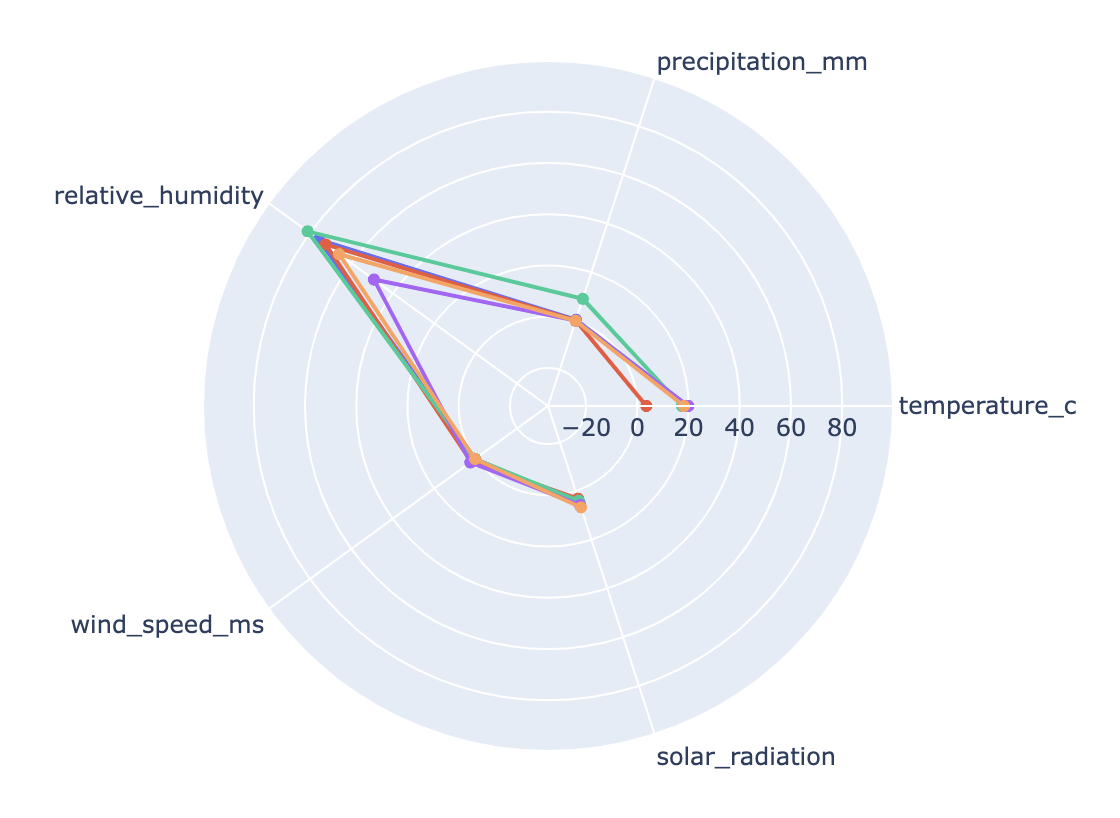
Figure 6: Cluster Feature Importance Across All Fire Categories.
Conclusion
This research contributes significantly to the understanding of wildfire dynamics in Eurasia by providing a robust dataset and employing sophisticated machine learning techniques. The findings emphasize the non-linear and multifaceted nature of fire behavior, advocating for data-driven fire management strategies. The study sets the stage for future research integrating broader datasets, enhanced predictive models, and real-time operational applications.
Future directions include extending temporal coverage to capture long-term climate interactions, integrating additional discriminative features, and developing hybrid models combining machine learning and physical fire behavior simulations. By doing so, researchers can build predictive systems that not only anticipate fire occurrence but also support proactive environmental management strategies.
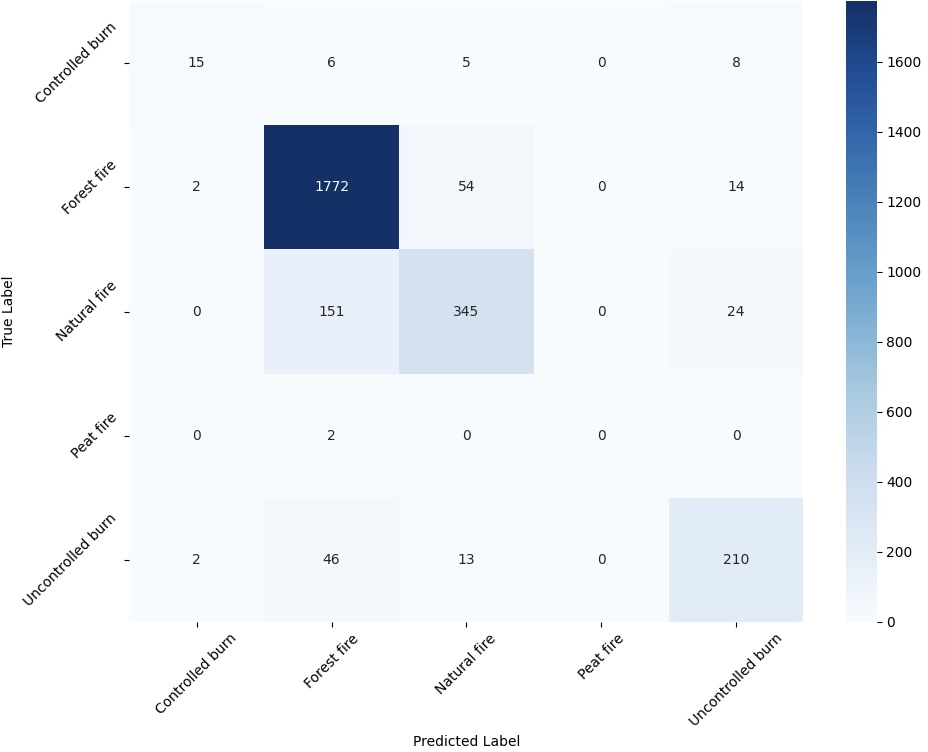
Figure 7: Confusion Matrix in Random Forest Model.