- The paper demonstrates that under specific conditions, ERM algorithms exhibit monotonic improvement as sample sizes increase.
- It establishes a PAC-based theoretical framework linking larger sample sizes with reduced estimation loss and improved generalization.
- Empirical validations on finite hypothesis spaces and VC dimensions confirm that model risk decreases steadily with more training data.
Monotonic Learning in the PAC Framework: A New Perspective
Introduction
The paper "Monotonic Learning in the PAC Framework: A New Perspective" (2501.05493) investigates the occurrence and properties of monotonic learning within the context of Probably Approximately Correct (PAC) learning theory. It specifically addresses learning processes where expected performance improves with additional training data. Existing works have identified non-monotonic behaviors, such as peaking and double descent, where performance does not consistently improve with more data. In contrast, this work proposes a different angle, proving that under certain conditions, learning is inherently monotone as sample sizes grow. Through the mechanisms of sample complexity associated with PAC learning, the research proves that learning algorithms based on Empirical Risk Minimization (ERM) maintain monotonicity when dealing with independent and identically distributed (i.i.d.) training samples. The investigation includes experiments with two concrete learning problems, with results supporting the theoretical predictions.
Theoretical Framework
The PAC learning framework offers a robust basis for analyzing algorithmic learning capabilities. The formalism of PAC learning delineates bounds on a model's generalization loss, focusing on the dynamics between approximation loss and estimation loss. A core hypothesis is that larger sample sizes lead to reductions in estimation loss, showcasing improved model performance. The current research argues for a structured understanding of monotonicity through PAC theory. This is achieved by determining a performance lower bound, which demonstrates monotonic improvement with increasing sample sizes.
In the context of finite hypothesis spaces and those with finite VC dimensions, the authors derive frameworks demonstrating that PAC learnable problems remain monotonic for ERM algorithms.
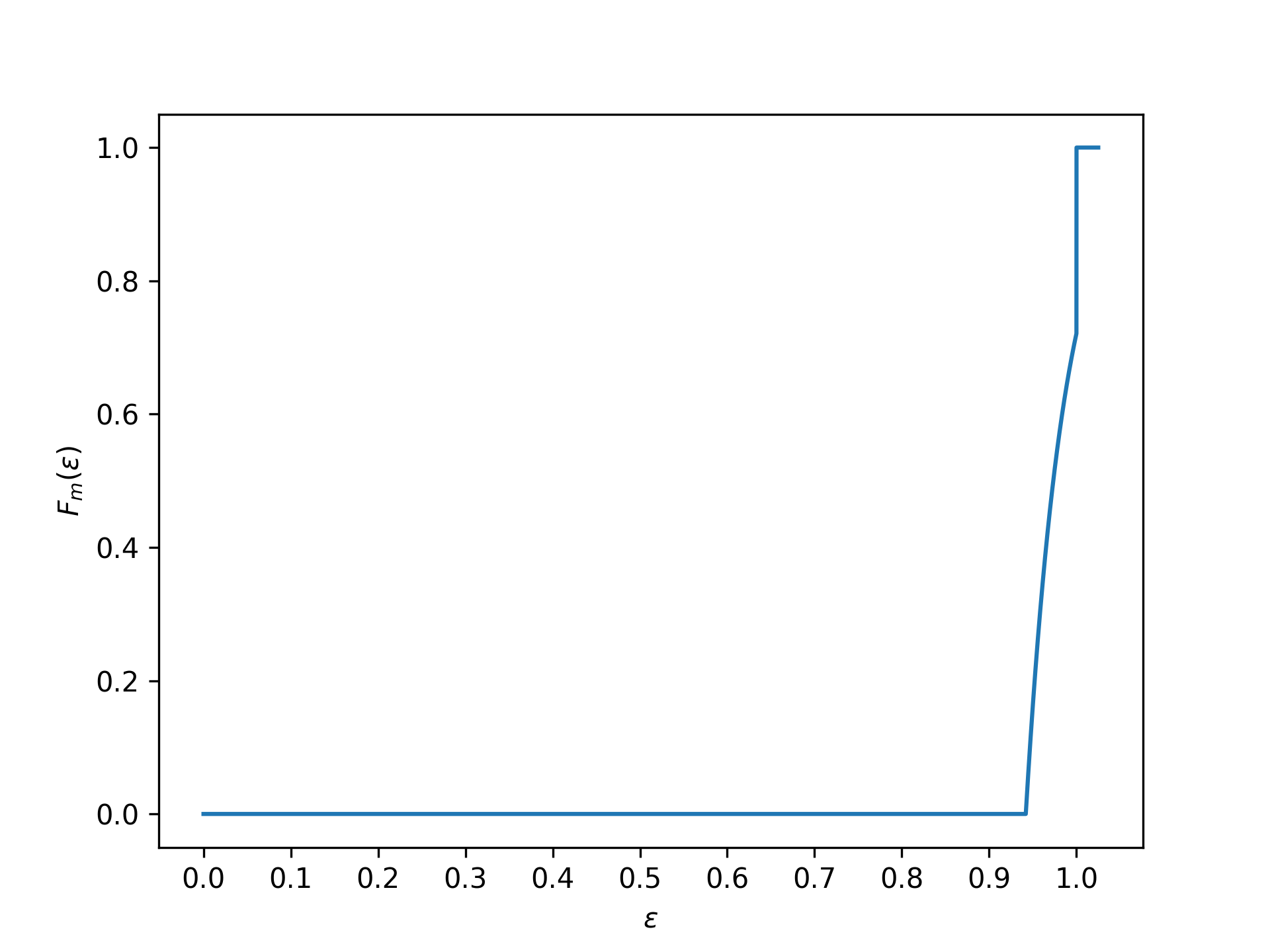
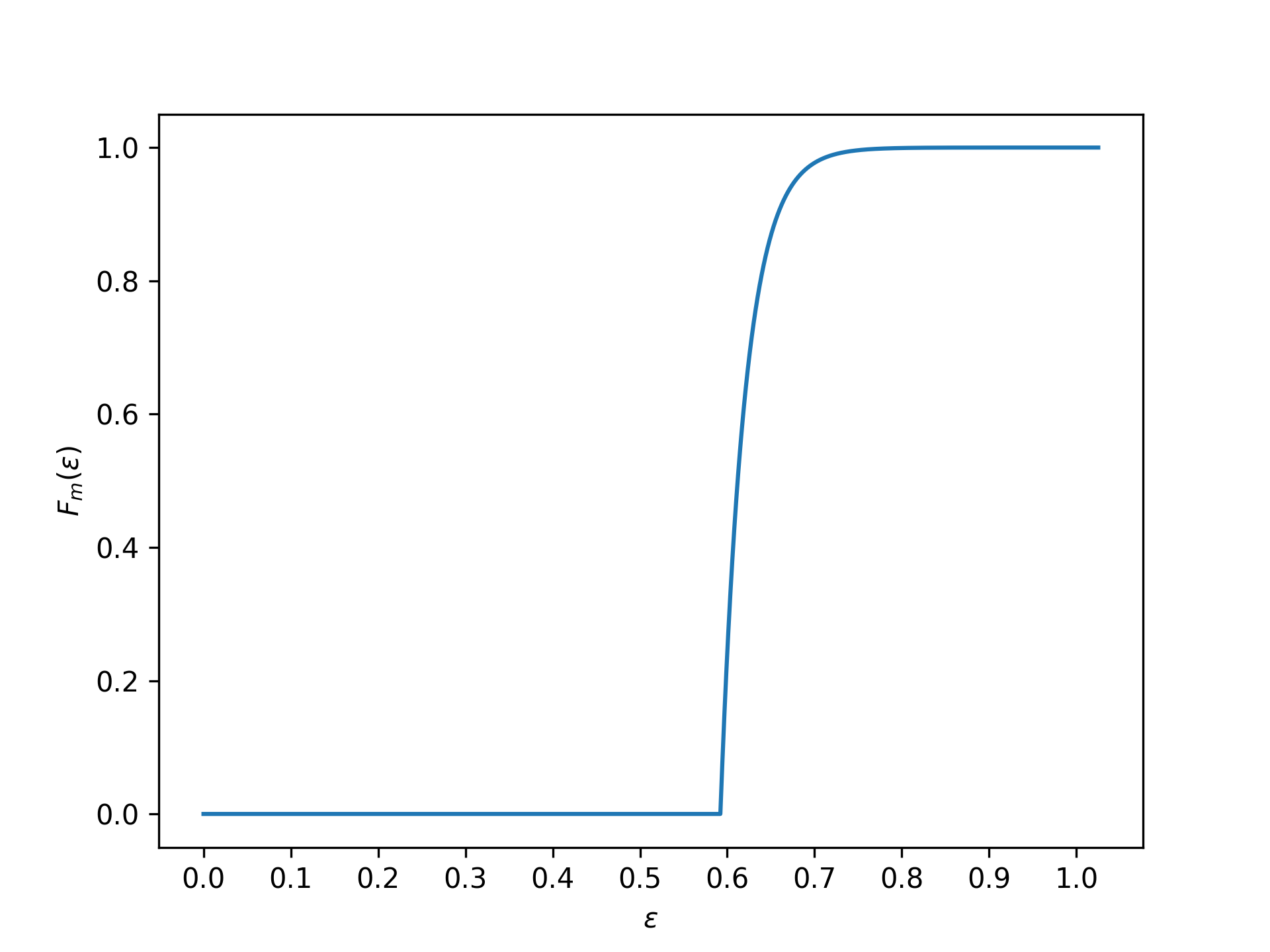
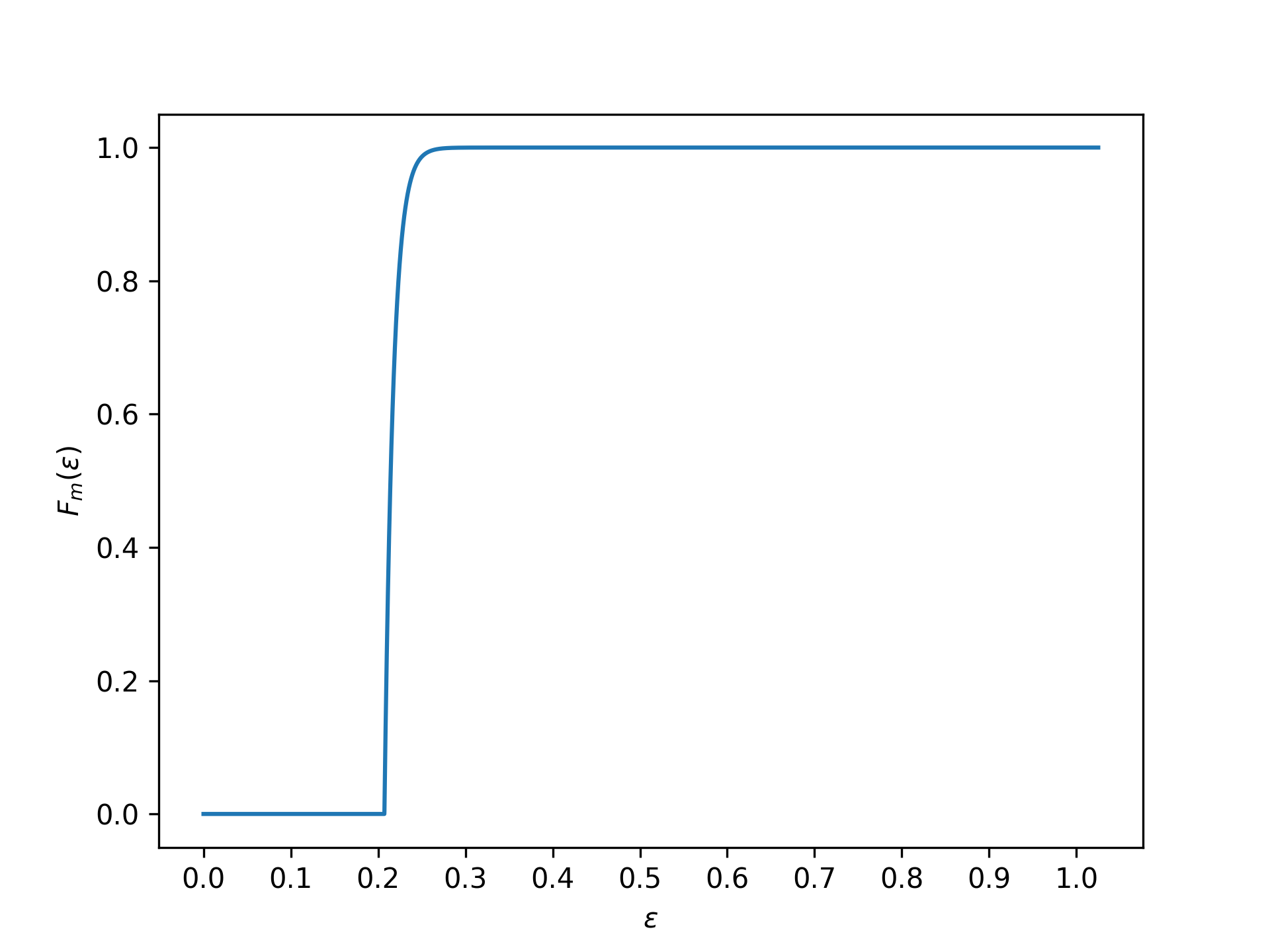
Figure 1: The probability function Fm with different m in a finite hypothesis space.
Experimental Validation
Subsequent experimental evaluations on two specific learning problems underscore the theoretical assertions. The first problem involves a finite hypothesis set, while the second is characterized by a finite VC dimension. For both cases, empirical data revealed consistent alignment between observed risk distributions and the theoretical bounds derived under PAC assumptions. These experiments underscore how increased sample sizes ensure model performance remains monotonic, compliant with PAC theoretical predictions.
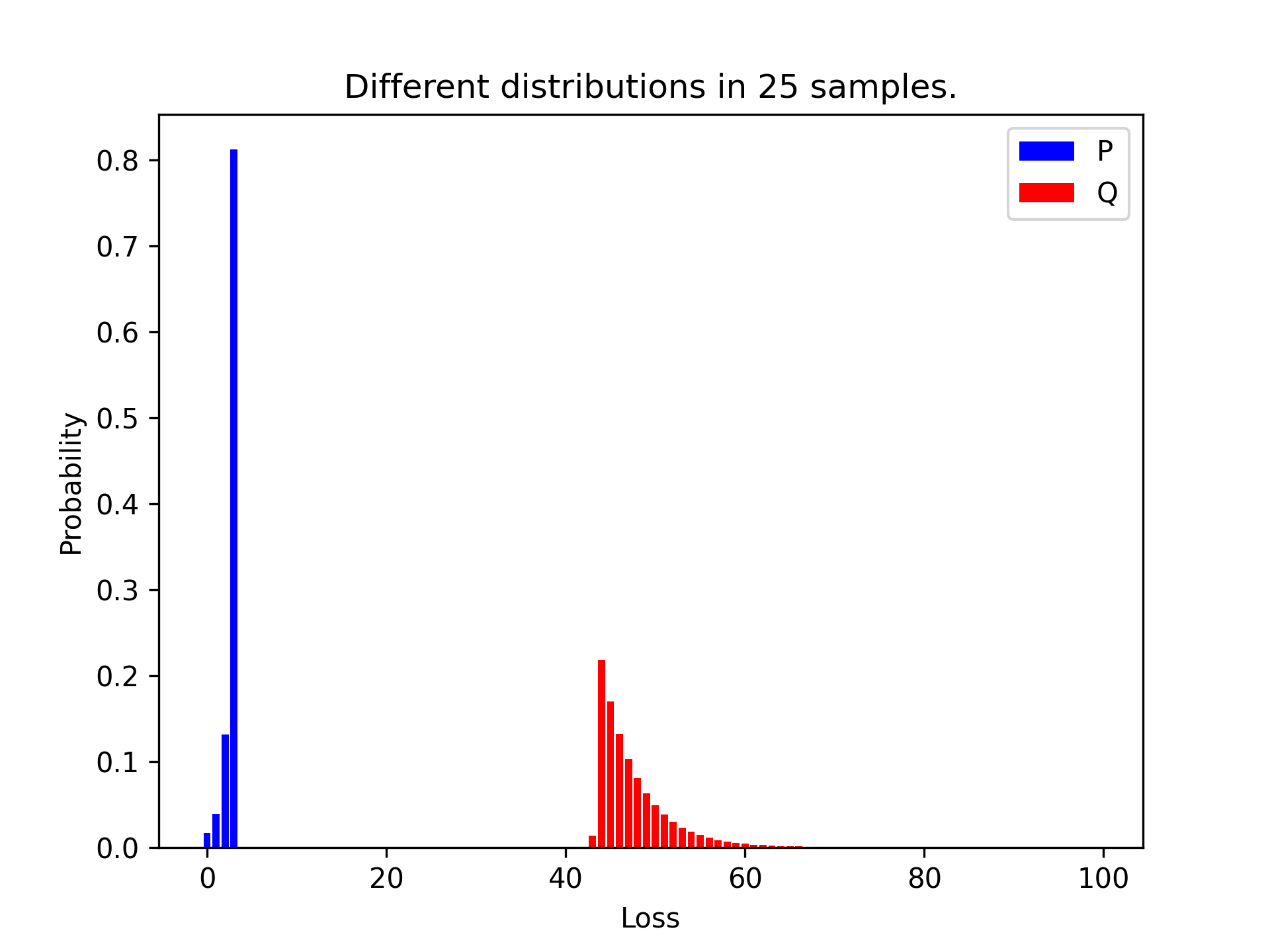
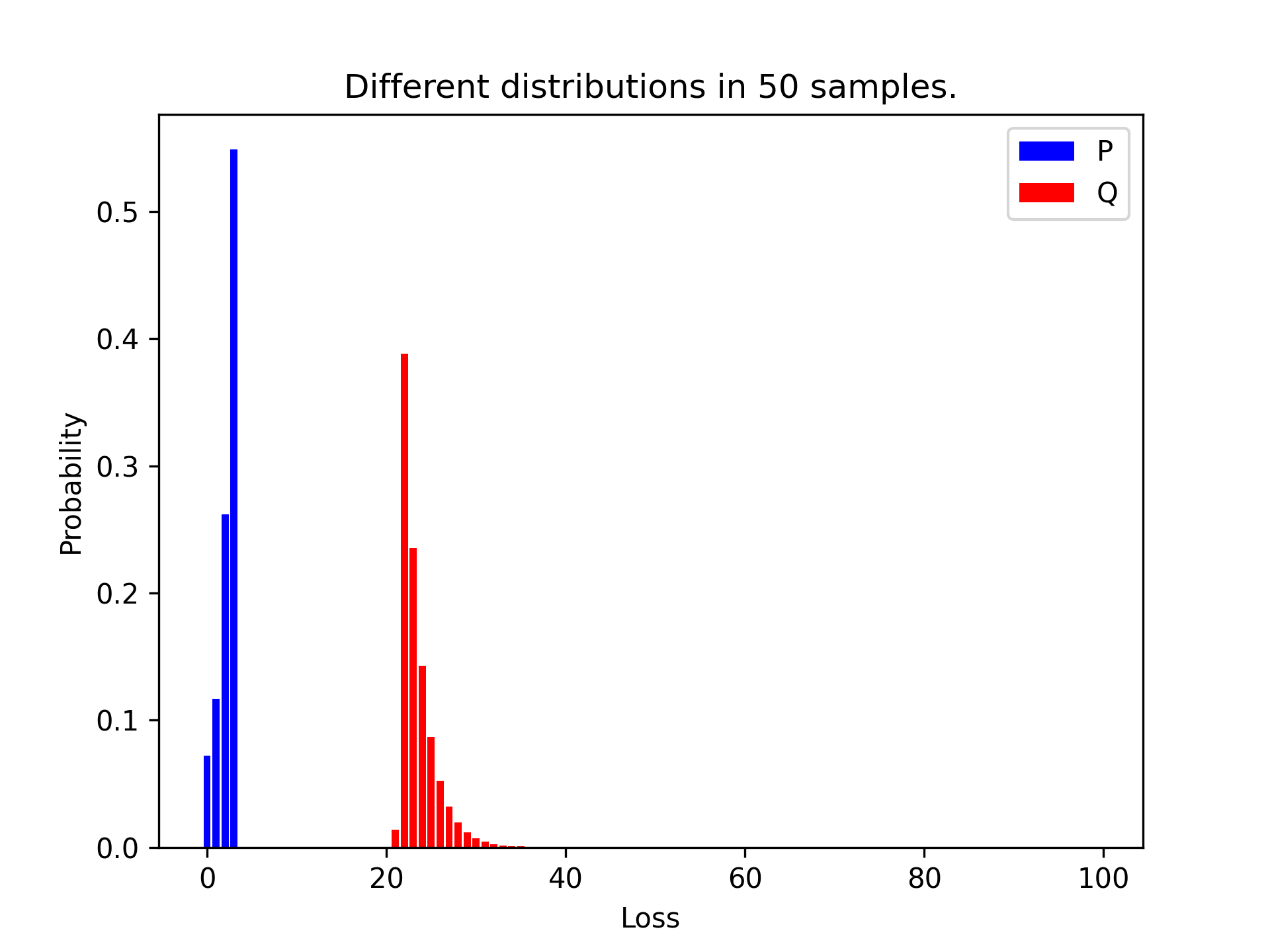
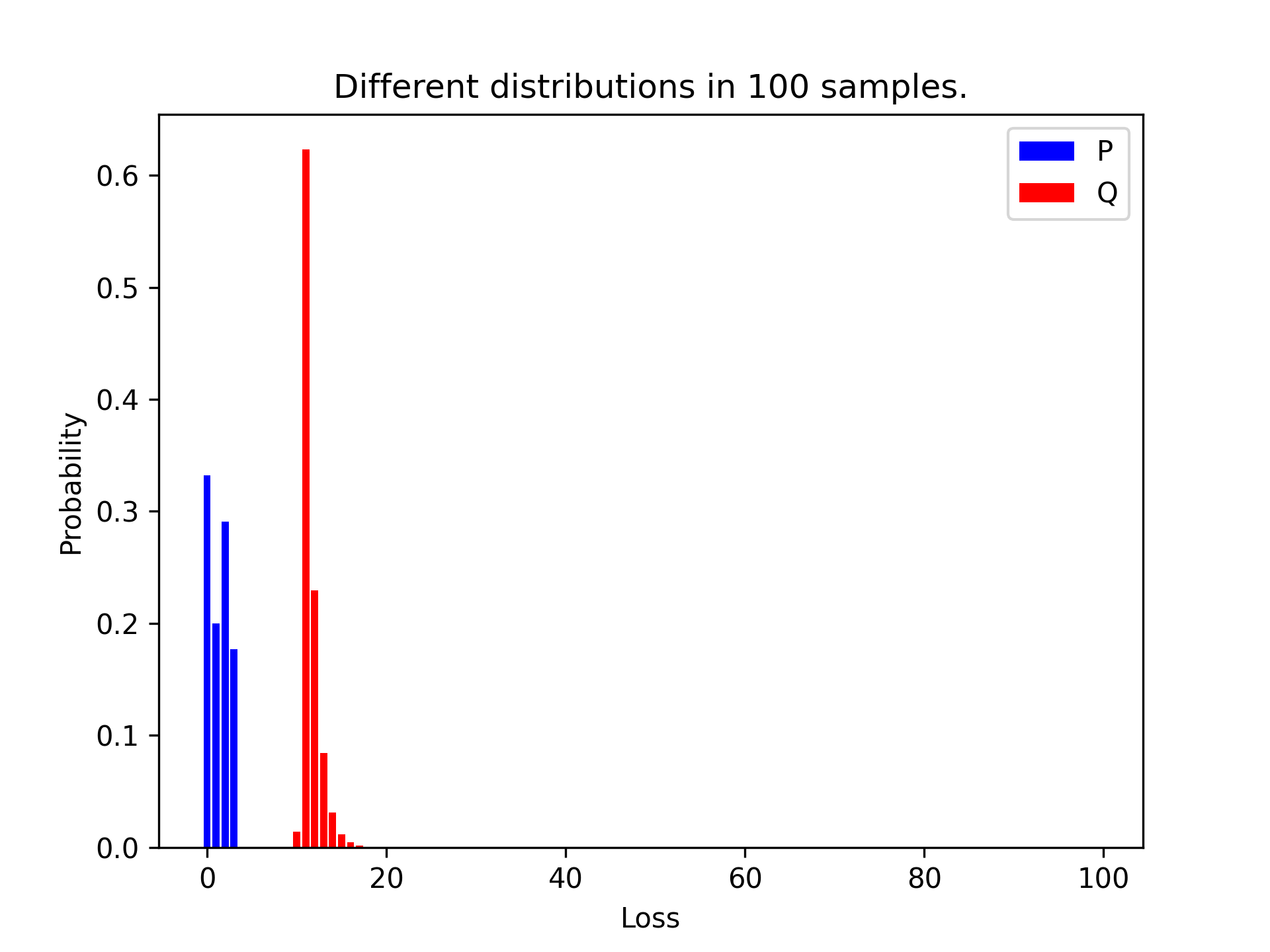
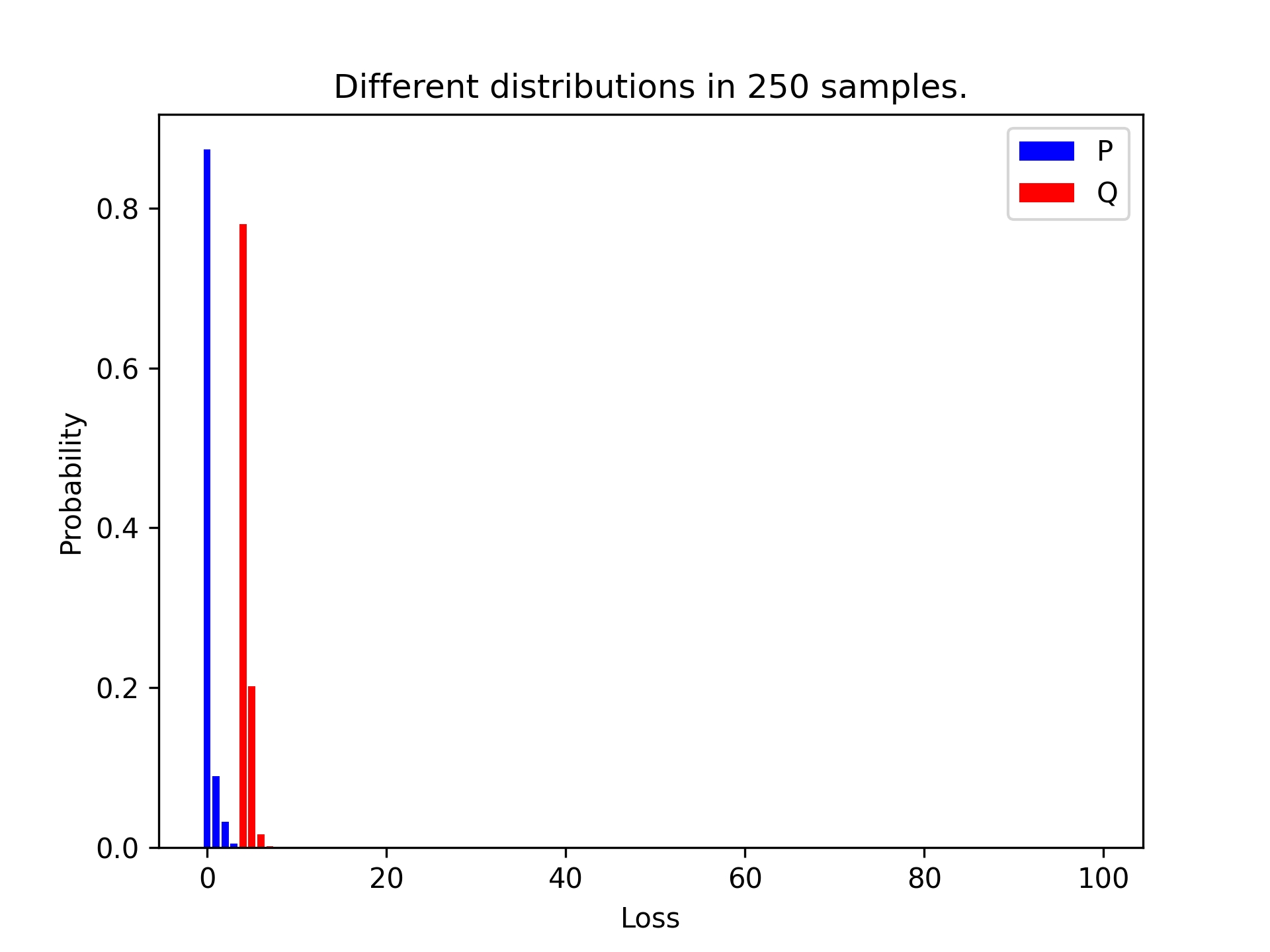
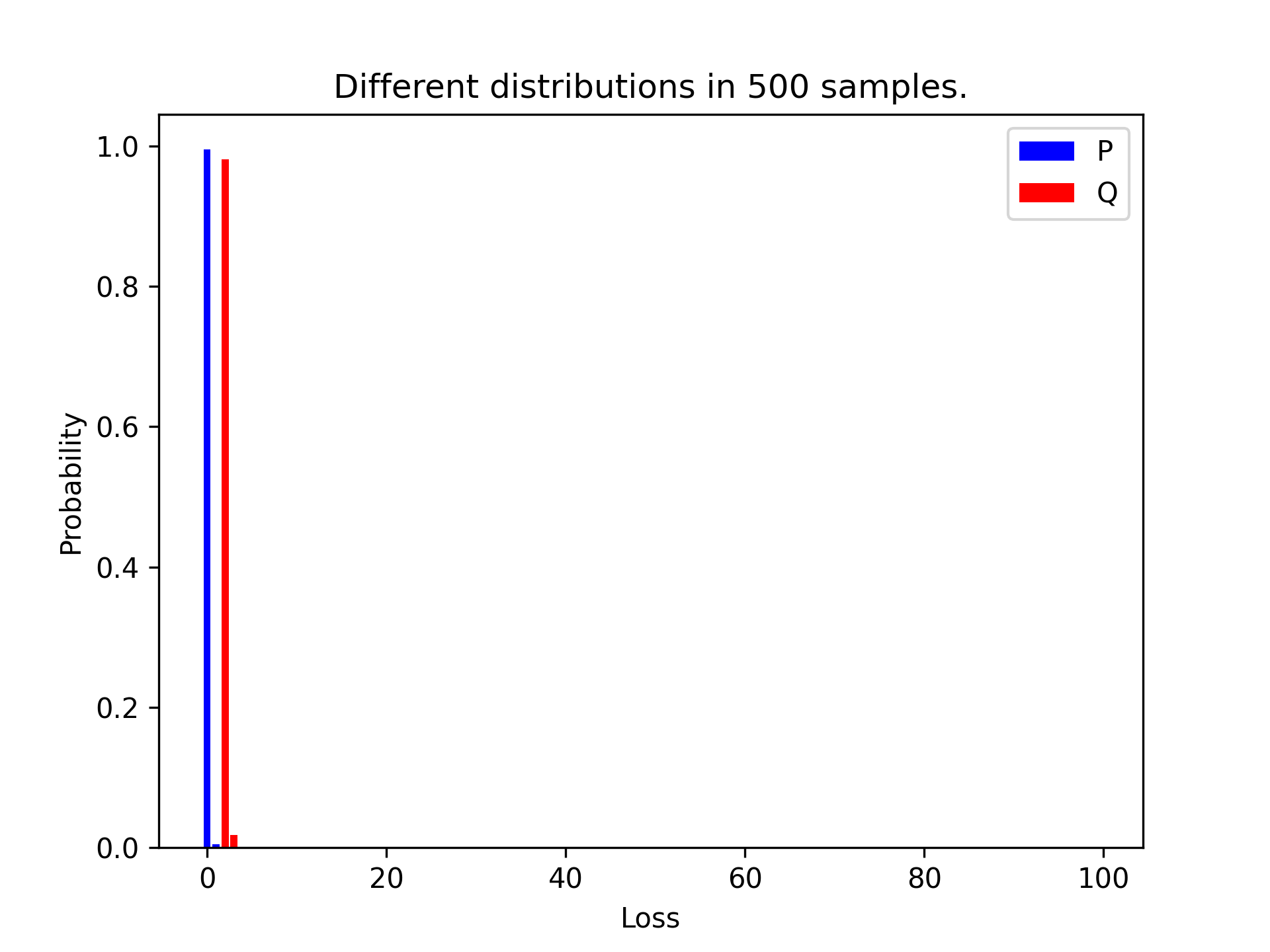
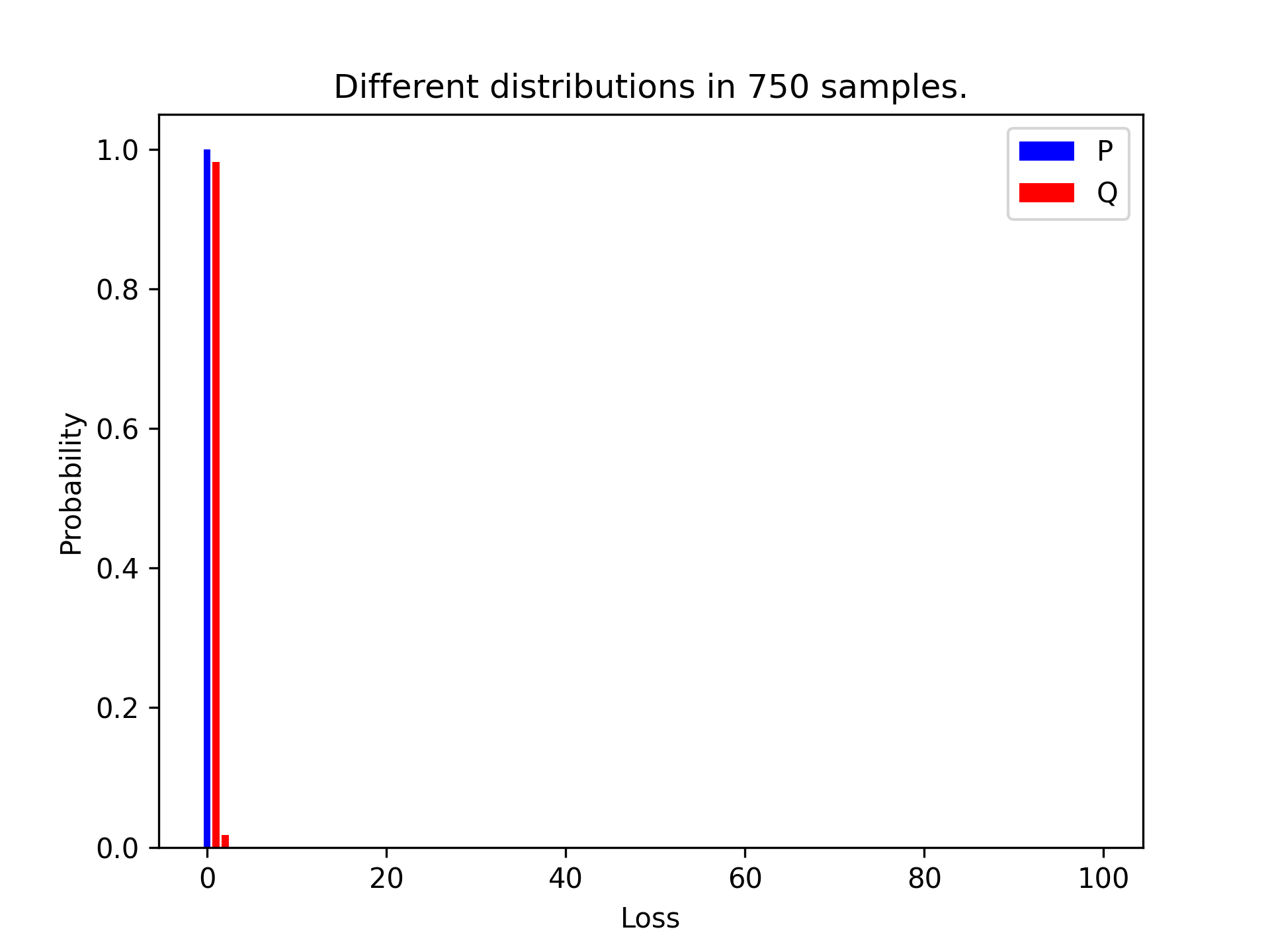
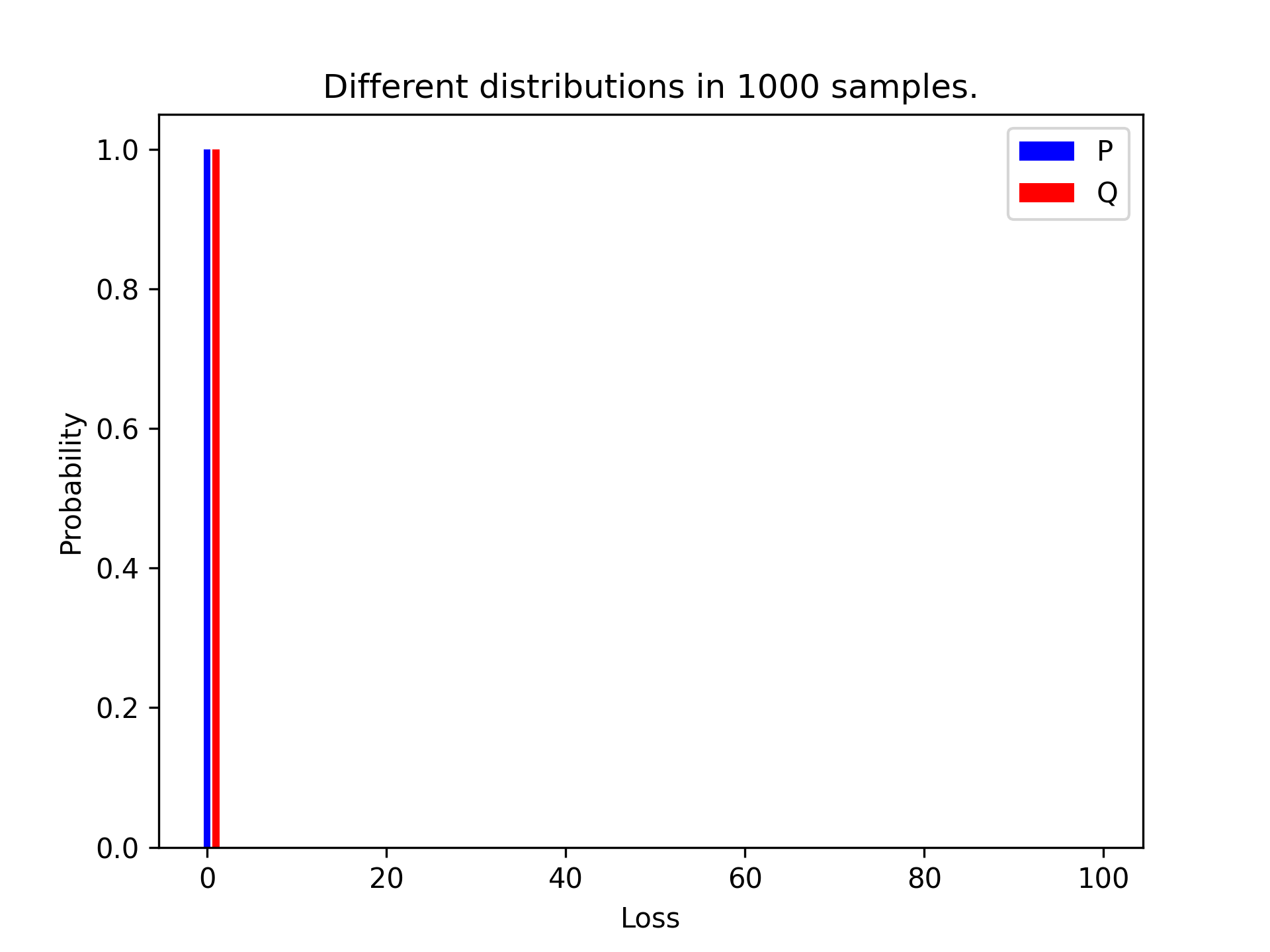
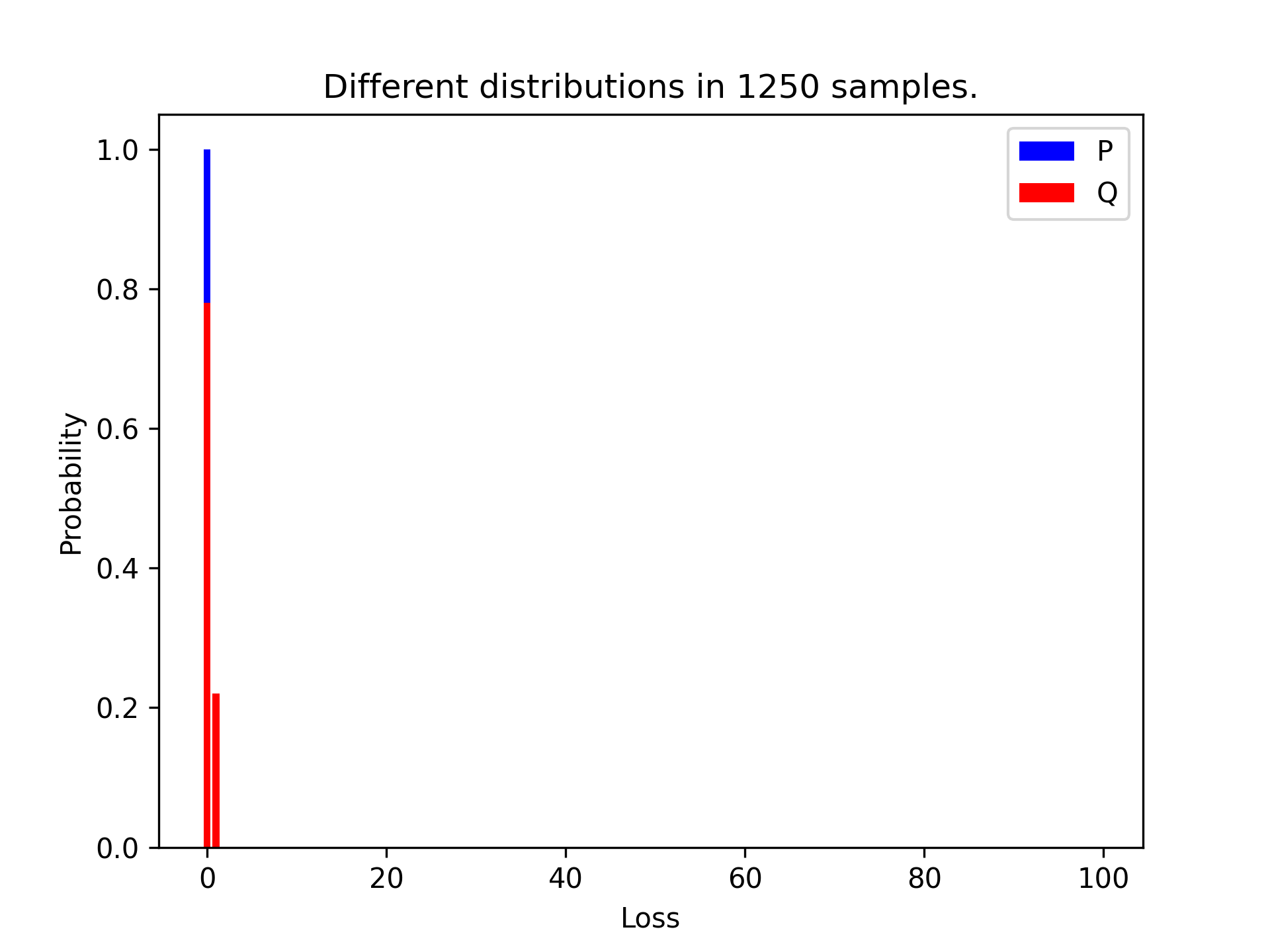
Figure 2: Distributions on the boolean conjunction learning problem with different sample size m.
The experiments leverage empirical distributions to visually and quantitatively illustrate that as sample sizes increase, the risk values of the derived hypotheses diminish, reflecting a trend towards zero generalization loss. This behavior directly aligns with the ideal outcomes anticipated by PAC learning, particularly in proving monotonic improvement with increasing data availability.
Implications and Future Directions
The implications of this research are profound for both theoretical and practical realms of machine learning. The confirmation of monotonic learning across specific problem types within the PAC learning framework serves to counter arguments surrounding non-monotonic behavior in machine learning—such as generalization error peaking and double descent. Practically, this research supports the continued emphasis on data acquisition and sample size enhancement as optimal strategies for improving learning system robustness and reliability.
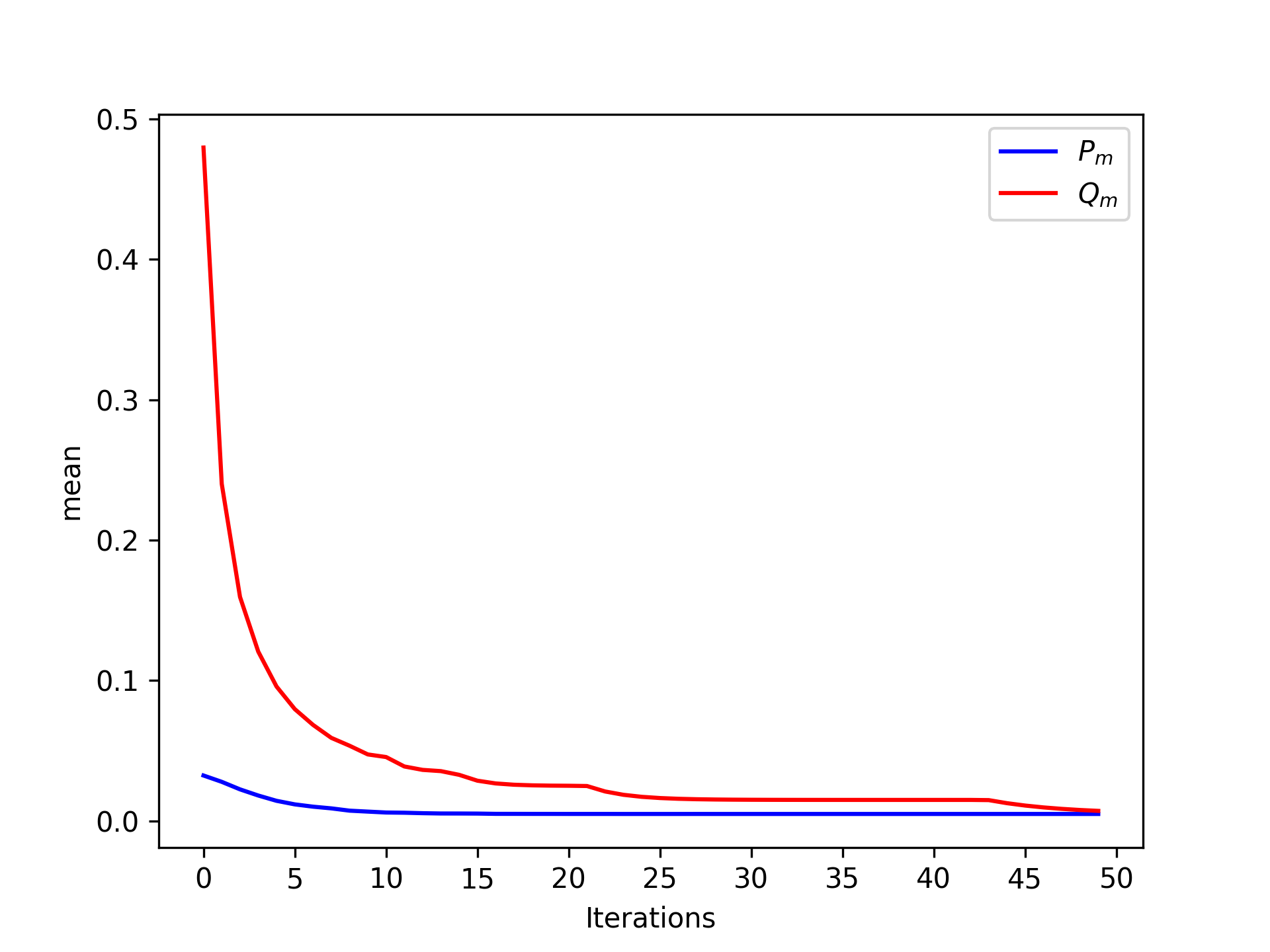
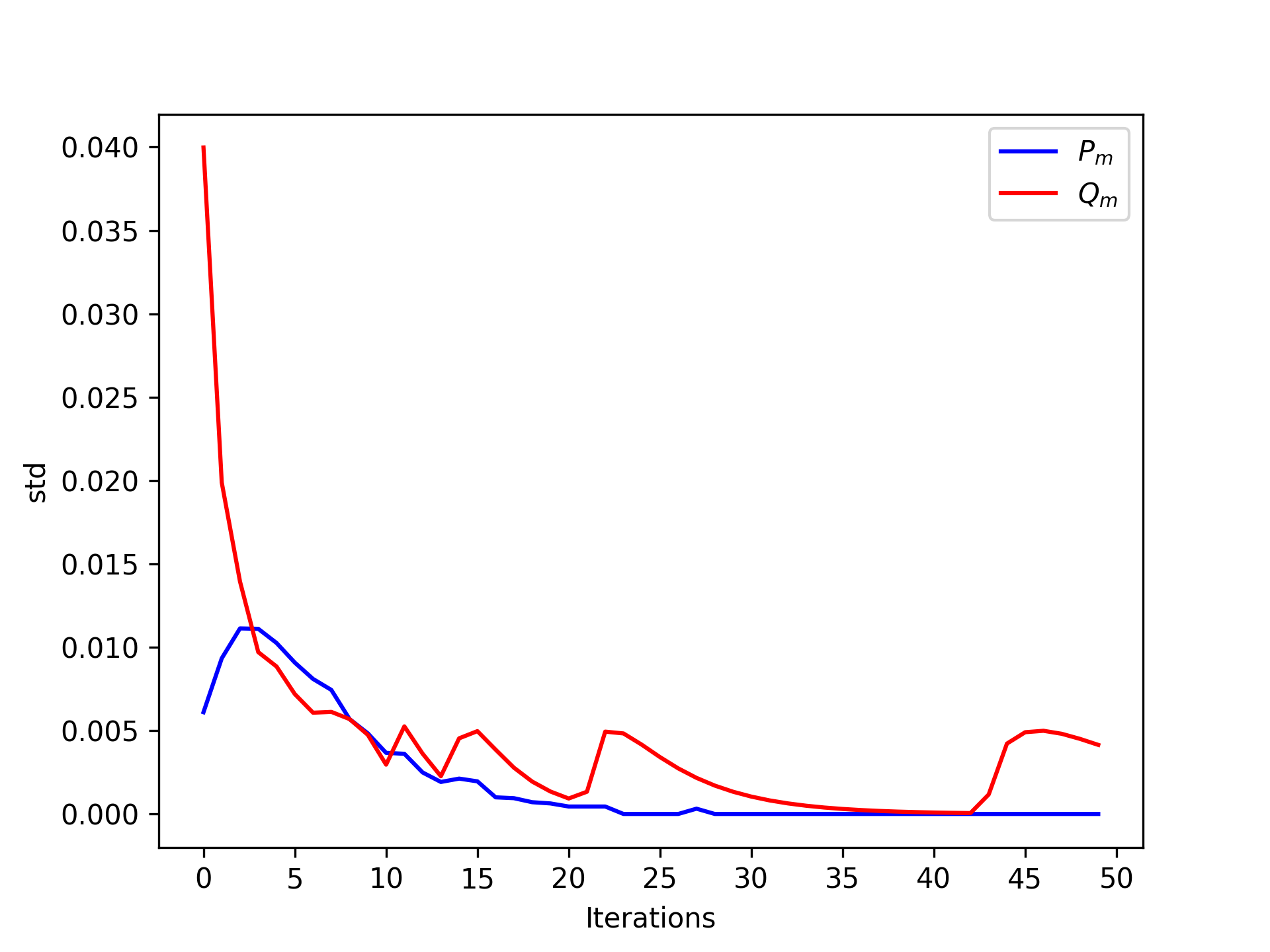
Figure 3: The mean and standard deviation of the distributions on the boolean conjunction learning problem.
Given the research findings, future explorations could delve further into expansive hypothesis spaces and broader modeling problems. Additionally, empirical validation across varied domains and algorithms could enhance the generalizability and applicability of the proposed theoretical framework.
Conclusion
Overall, "Monotonic Learning in the PAC Framework: A New Perspective" substantiates its thesis that monotonicity in learning is achievable within the PAC framework, particularly for ERM-based algorithms with i.i.d. data inputs. The work significantly contributes to computational learning theory by framing conditions under which model performance reliably improves with increased sample sizes. As such, it lays a foundational understanding that can be leveraged by machine learning researchers and practitioners to enhance model development and evaluation strategies.