- The paper explores the integration of Web3.0 and digital economy, highlighting blockchain's role in decentralizing data management and enhancing security.
- It demonstrates practical applications from digital industrialization to digital governance, showing how these technologies reduce inefficiencies.
- The study critically discusses challenges such as regulatory hurdles, scalability issues, and high energy consumption in blockchain operations.
Summary of "When Digital Economy Meets Web3.0: Applications and Challenges"
The paper "When Digital Economy Meets Web3.0: Applications and Challenges" provides an in-depth examination of the intersection between Web3.0 technologies and the digital economy. It emphasizes the transformative potential of decentralized, blockchain-based systems in addressing the challenges faced by the current centralized digital economic frameworks. The authors outline the technological foundations, applications, and potential challenges that arise when implementing Web3.0 in various sectors of the digital economy.
Introduction to Web3.0 and the Digital Economy
Recent advancements in web technologies, as depicted in Figure 1, have paved the way for the emergence of Web3.0—a decentralized incarnation of the Internet powered by blockchain-related technologies. The digital economy, driven by rapid technological evolution and industrial transformation, necessitates innovative solutions to combat problems such as data privacy breaches, copyright violations, and inefficient centralized systems. Web3.0 offers unique features such as distributed ledger technology, cryptography, consensus mechanisms, and smart contracts, promising to redefine the architectural structure of digital economic activities.
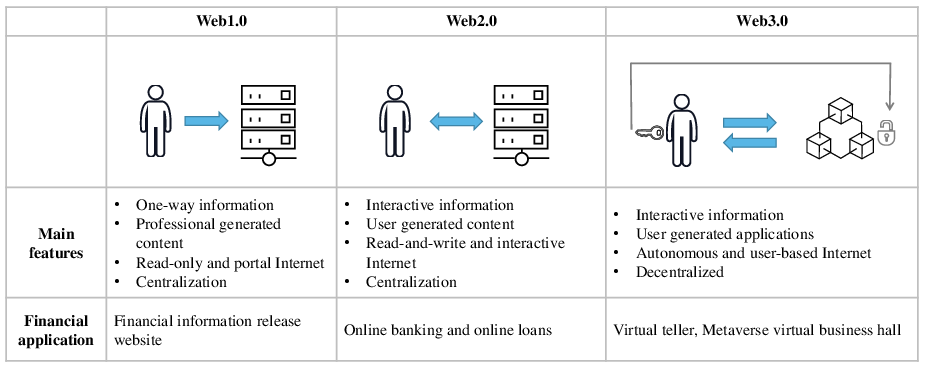
Figure 1: The evolution progress of web technologies.
The integration of Web3.0 into digital economy platforms provides a decentralized approach to data management, reducing costs and enhancing security. This foundational shift offers potential solutions to existing inefficiencies and threats evident in traditional, centralized digital ecosystems.
Blockchain Technology in Web3.0
Blockchain technology forms the cornerstone of Web3.0 by enabling decentralized systems that return digital sovereignty to users. It fosters a secure and reliable environment for applications through distributed ledgers, cryptography, consensus mechanisms, and smart contracts, as shown in Figure 2.
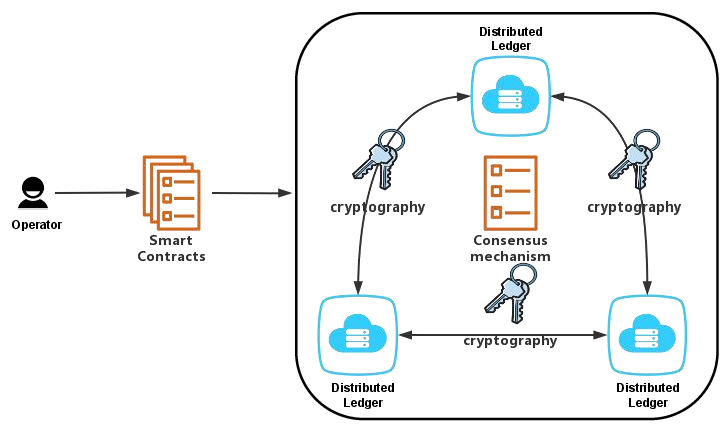
Figure 2: Technology architecture of blockchain.
- Distributed Ledger: Ensures data consistency without a central authority by replicating identical data across all network nodes.
- Cryptography: Protects data integrity and privacy using encryption techniques.
- Consensus Mechanisms: Implement rules for data agreement across nodes, crucial for maintaining ledger consistency.
- Smart Contracts: Automate and enforce agreements without intermediaries, enhancing transaction efficiency and reducing operational costs.
Applications in the Digital Economy
The paper identifies several domains in the digital economy where Web3.0 can be effectively applied, as illustrated in Figure 3.
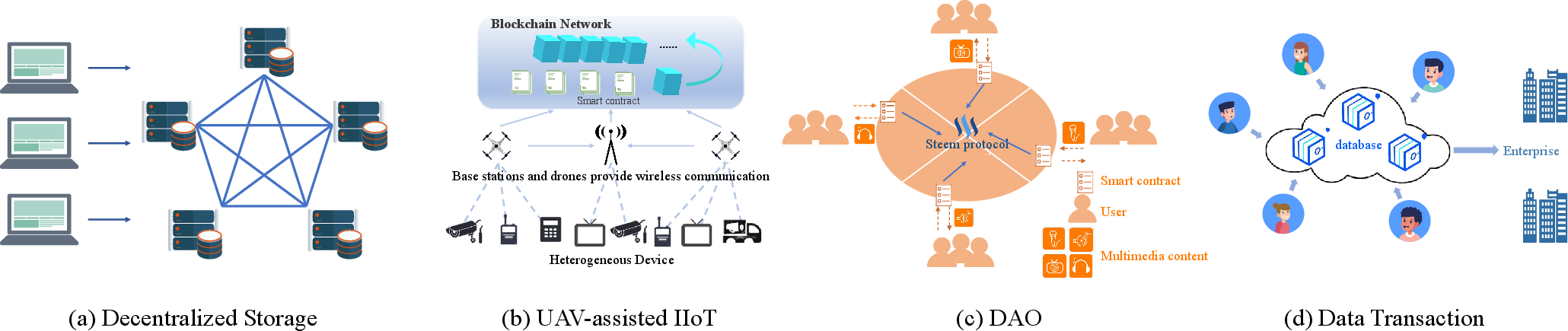
Figure 3: Applications of combining digital economy with Web3.0.
- Digital Industrialization: Integrates blockchain, cryptocurrency, and NFTs to transform industrial frameworks, enabling decentralized finance and digital asset management.
- Industry Digitization: Utilizes Web3.0 to digitize traditional industrial processes, enhancing IoT connectivity and optimizing production cycles through M2M communications.
- Digital Governance: Embraces decentralization in organizational structures via DAO, improving transparency and reducing administrative burdens.
- Data Valorization: Employs federated learning and privacy computing to enable secure data analysis and storage, enhancing the economic value derived from data.
Challenges and Future Directions
Despite the promising benefits, several challenges need addressing for effective Web3.0 implementation:
- Privacy and Security: Ensuring robust privacy while leveraging the inherently transparent nature of blockchain.
- Regulatory Hurdles: Adapting traditional regulatory systems to govern decentralized technologies.
- Scalability and Efficiency: Developing scalable solutions to handle the increasing data loads and transaction volumes efficiently.
- Energy Consumption: Mitigating the high energy demands of blockchain operations to ensure sustainability.
Web3.0 holds immense potential to revolutionize digital economic structures. Its widespread adoption will depend on overcoming these challenges, thereby paving the way for a decentralized, secure, and efficient digital economy.
Conclusion
The integration of Web3.0 technologies into the digital economy represents an opportunity to transition towards more secure, efficient, and decentralized economic systems. The detailed discourse on Web3.0 applications, challenges, and future directions provides valuable insights for academia and industry practitioners seeking to leverage these technologies. By addressing the outlined challenges and fostering continued innovation, Web3.0 can significantly enhance the digital economy landscape.