- The paper presents a systematic review that categorizes IoT middleware and WoT architectures, demonstrating how web protocols can enable efficient communication in distributed systems.
- It employs a structured SLR methodology to map middleware requirements with WoT capabilities, emphasizing improvements in interoperability and semantic data handling.
- The study evaluates 17 WoT platforms, identifying gaps in real-time processing and security, and outlines potential enhancements through emerging technologies like edge computing.
Towards Web of Things Middleware: A Systematic Review
Introduction
The paper "Towards Web of Things Middleware: A Systematic Review" aims to explore the confluence of Web of Things (WoT) and Internet of Things (IoT) middleware, revealing the synthesis of traditional IoT frameworks with web technologies to manage distributed cyber-physical systems efficiently. Through a systematic literature review (SLR), the paper classifies IoT middleware and WoT architectures, identifying their requirements and projecting WoT's role in fulfilling IoT's challenges.
Problem Definition and Methodology
The rapid advancement in IoT has led to a proliferation of intelligent devices capable of interacting over the Internet, requiring efficient integration frameworks. The paper articulates a structured methodology using SLR to scrutinize the intersectional capabilities of WoT and IoT middleware. The systematic review identifies open research areas by addressing specific research questions about the capabilities and integration of IoT middleware within the WoT landscape.
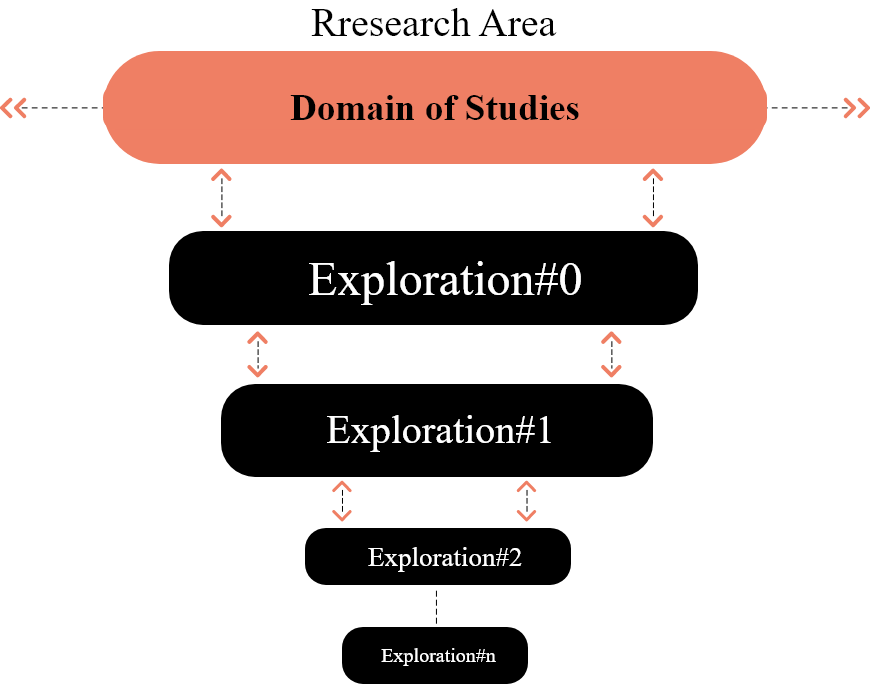
Figure 1: Research Protocol showcasing the systematic review methodology applied in the paper.
IoT-Middleware and WoT Architecture Overview
IoT-Middleware
IoT-middleware serves as the intermediary software that facilitates communication and integration across diverse IoT devices, abstracting complex technological differences. The paper categorizes IoT-middleware into data and device abstraction architectures, each with its unique approach to managing information flow and device interaction within smart environments.
WoT Architecture
WoT extends IoT functionalities by integrating web protocols for seamless interactions among smart devices. The paper posits WoT's utility in harnessing service-oriented architectures (such as SoA and RoA) to create interoperable platforms that leverage existing web standards to optimize IoT applications.
Comparative Analysis of WoT and IoT-Middleware
The investigation into the shared domains between WoT and IoT middleware reveals a comprehensive mapping of middleware requirements to WoT capabilities. Key findings indicate that WoT architecture, built on robust web standards, inherently supports several IoT-middleware functionalities, such as resource discovery, event management, and semantic data handling, contributing to the formation of coherent and scalable IoT ecosystems.
The study evaluates 17 WoT platforms across various metrics to assess their adherence to defined architectural and service-functional requirements. The assessment highlights strengths in interoperability and integration capabilities of these platforms while identifying gaps in real-time processing and security implementations.
Table 1: Summary of WoT Platforms Assessment
| Platforms |
Resource Discovery |
Real-Time |
Security Implementations |
| SOCRADES |
WS-Discovery |
Yes |
WS-Security |
| Paraimpu |
Not Supported |
Not Evaluated |
OAuth Authorization |
| EVRYTHNG |
Semantic Data Store |
Yes |
OAuth 2, Encrypted Communication |
Conclusion and Future Directions
The review underscores the potential of WoT architectures in reconfiguring IoT landscapes by bridging digital and real-world interfaces through standardized web technologies. Nonetheless, non-functional service requirements such as scalability and security remain areas for further development. The research anticipates future enhancements in WoT platforms by incorporating emerging technologies like edge computing and machine learning, offering solutions for the expanding complexity of IoT ecosystems.
The systematic review approach provides a foundational analysis for researchers and practitioners aiming to innovate within the WoT domain, emphasizing the continual evolution of middleware frameworks to drive efficient IoT integration.