- The paper extends equilibrium and transient cyclone theories to simulate post-landfall intensity decay under altered surface conditions.
- The paper uses idealized axisymmetric simulations to assess the individual and combined effects of surface roughening and drying on storm weakening.
- The paper validates these models by comparing simulated decay trends with empirical data, supporting improved landfall intensity forecasts.
Can Existing Theory Predict the Response of Tropical Cyclone Intensity to Idealized Landfall?
Introduction
Tropical cyclones (TCs) represent significant hazards when making landfall, causing wind damage and flooding inland. Assessing changes in storm intensity during landfall is vital for risk assessment of TC impacts. Past research has focused on predicting intensity via empirical/statistical models, which often do not include the physics of intensity decay over land. This study examines whether existing theories, originally developed for oceanic cyclones, can predict TC intensity changes during landfall.
Methodology
The study conducted idealized axisymmetric simulations using the Bryan Cloud Model. Experiments simulated instantaneous modifications in surface conditions beneath mature TCs, varying surface roughness and dryness to assess their combined impact on storm intensity. Model outcomes were compared against predictions from established intensity theories: the equilibrium potential intensity theory (E86) and the time-dependent intensification theory (E12), both adapted for landfall scenario analysis.
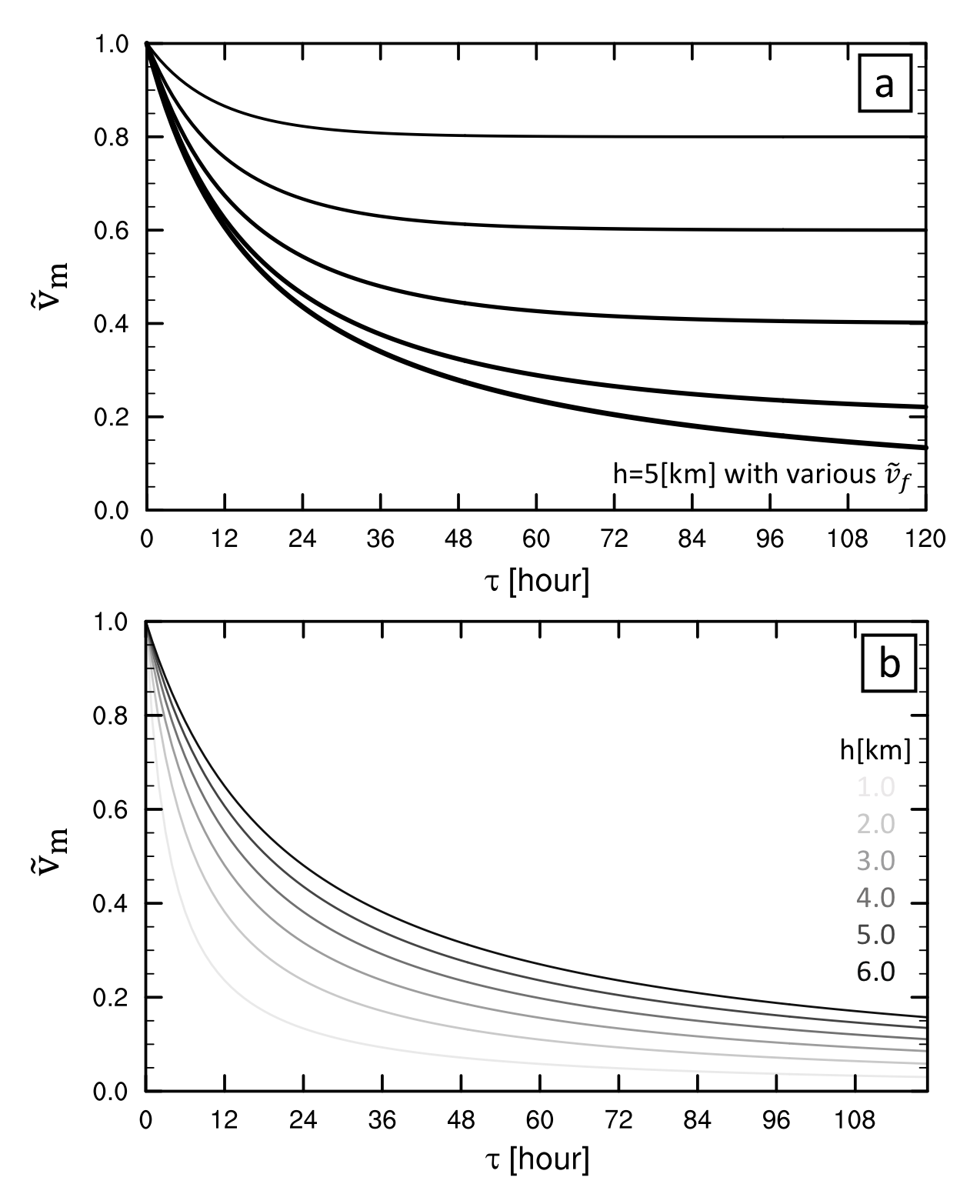
Figure 1: Normalized intensity decay predicted by E12 theory with vm(0)=100ms−1.
Equilibrium Intensity Theory (E86)
E86 theory models TC intensity as a function of the environment's thermodynamic properties, treating the cyclone as a Carnot heat engine. The theory predicts a decrease in maximum possible cyclone intensity when surface roughness increases or moisture availability decreases. Experiments confirmed that the E86 theory correctly anticipates the decreased equilibrium intensity in response to surface modifications.
Transient Intensity Theory (E12)
E12 theory suggests that TC intensity change is controlled by boundary layer dynamics and the radial distribution of entropy. This paper extended E12 to model TC weakening, showing that it can satisfactorily describe TC intensity decay post-landfall when initialized with altered surface properties. The transient response aligns well with predictions when the rapid initial decay due to surface roughening is incorporated.
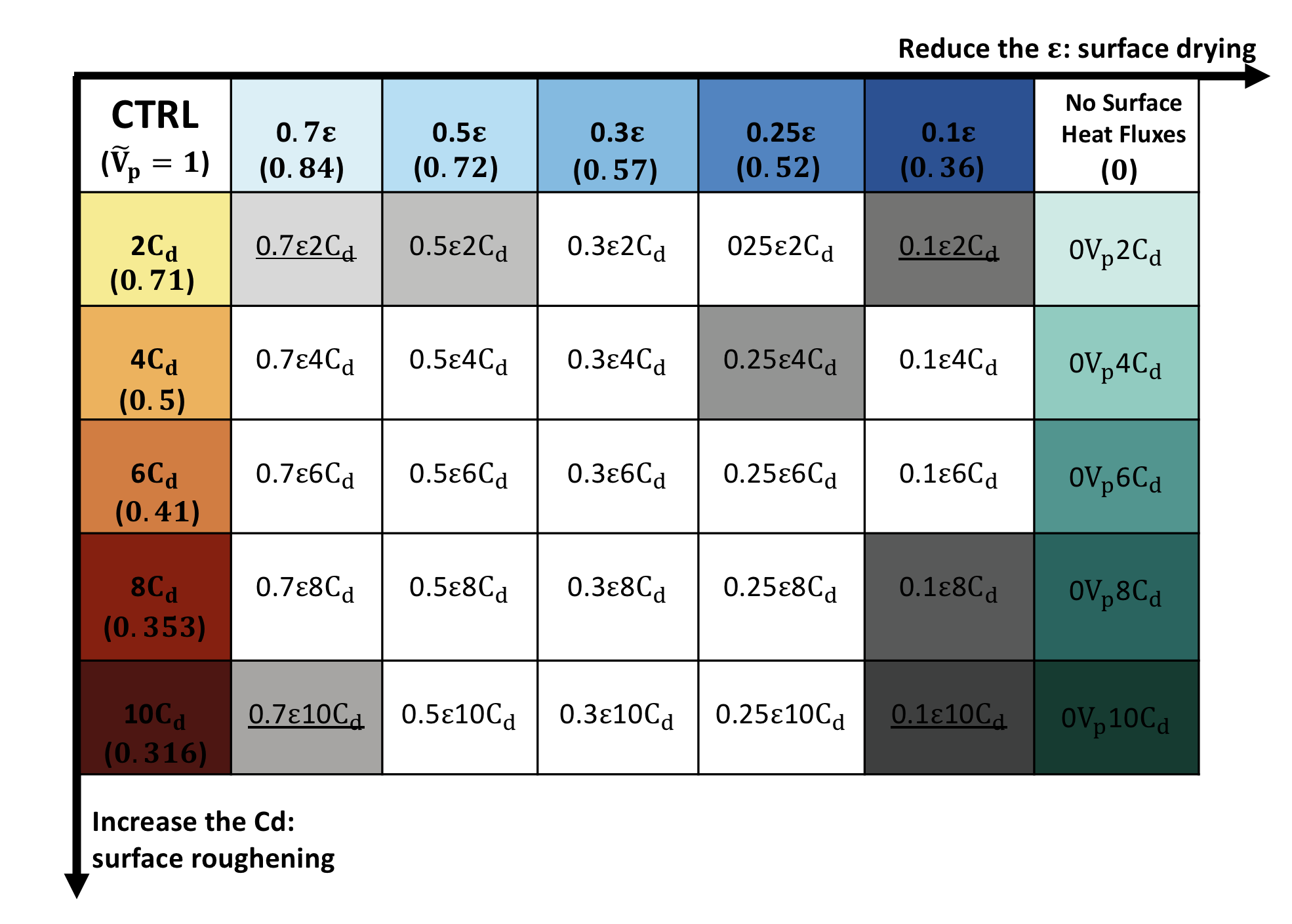
Figure 2: Two-dimensional experimental phase space of surface drying and roughening.
Combined Surface Forcing Prediction
The study anticipates that combined drying and roughening effects on TC intensity can be predicted by multiplying the predicted responses to each forcing separately. This approach follows the multiplication rule inherent in potential intensity theory, demonstrating predictive efficacy across a spectrum of surface property modifications.
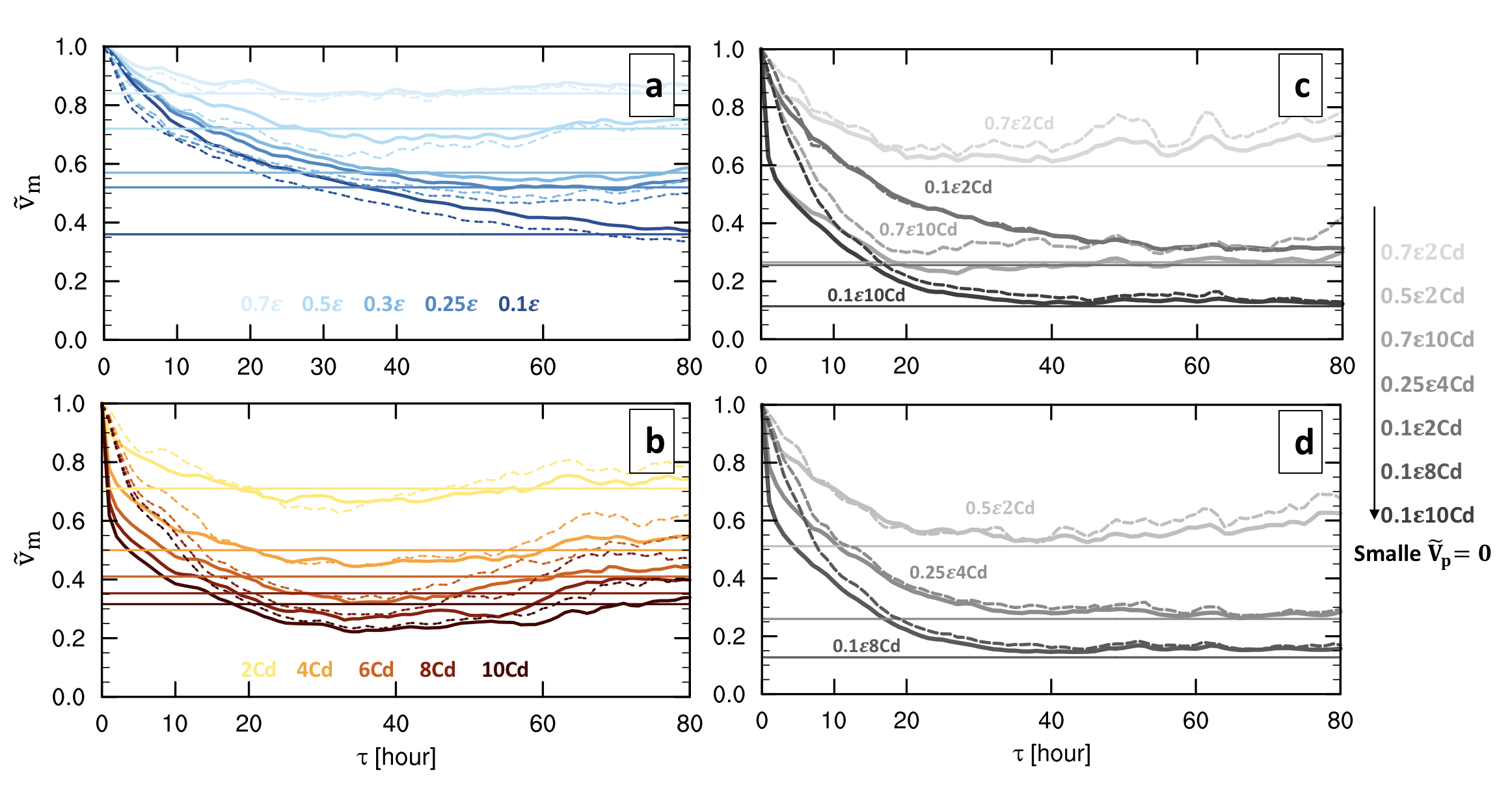
Figure 3: Temporal evolution of simulated near-surface (50m, solid curves) and above-BL (2km, dash curves) v~m.
Real-World Application and Empirical Comparison
The theoretical models were compared with empirical decay models for real-world TCs after landfall. The comparison showed similar trends in intensity changes, indicating the potential applicability of the theoretical models to natural settings, especially when informed by detailed surface property data.

Figure 4: Temporal evolution of simulated intensity response for the experiment set 0VpXCd.
Conclusion
This research extends existing TC theories to model post-landfall intensity changes effectively. The findings suggest that TC intensity decay over land can be deconstructed into individual responses to surface drying and roughening. The consistency with empirical models further validates this approach, providing a foundation for applying physical models to real-world landfall predictions in climate change contexts. Future research should examine simulations that include additional real-world complexities, such as topography and land-atmosphere feedback mechanisms.
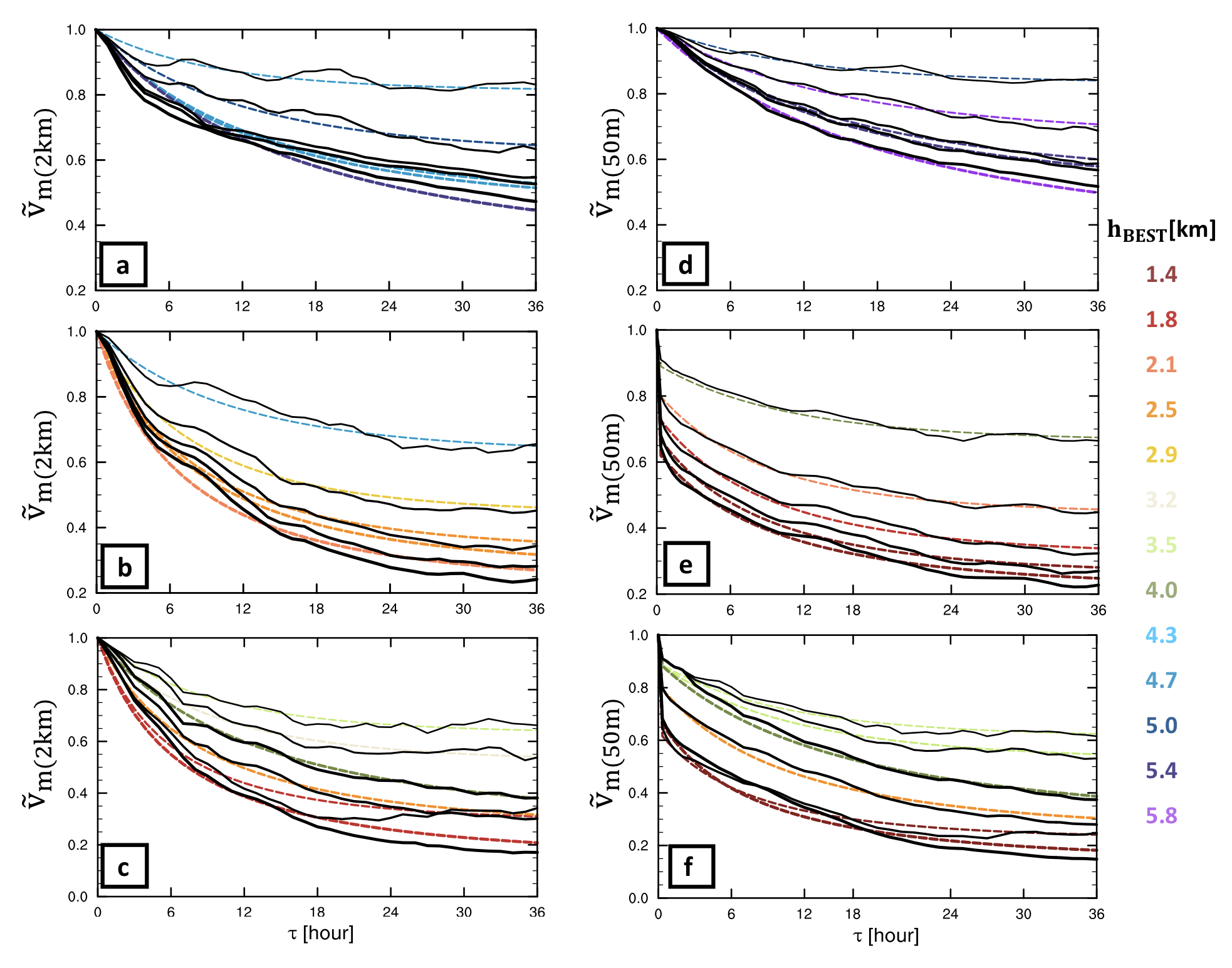
Figure 5: Comparison with empirical decay model predictions.