- The paper presents a novel prompt-based framework using LLMs to automate complex ontology alignment with precision and recall above 57%.
- It integrates modular ontology designs to guide LLMs in discerning complex semantic relationships between diverse schema elements.
- The study demonstrates the potential of neural-symbolic methods to transition manual ontology alignment tasks into automated processes.
"Towards Complex Ontology Alignment using LLMs" (2404.10329)
Introduction
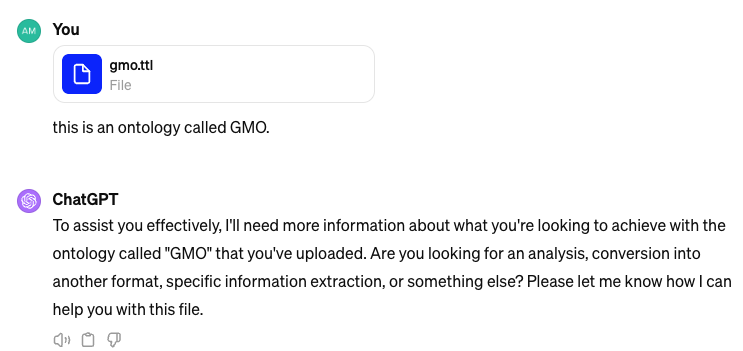
The paper "Towards Complex Ontology Alignment using LLMs" explores the application of LLMs, particularly transformers like GPT-4, to tackle complex ontology alignment tasks in the Semantic Web. This task involves establishing mappings between ontologies beyond simple one-to-one correspondences, which are prevalent but not comprehensive enough for extensive schema-based data integration applications. Traditionally, ontology alignment has been a manual task due to its complexity, but advancements in LLMs open new avenues for potential automation.
Ontology Alignment Overview
Ontology alignment is a fundamental task in the Semantic Web, aimed at mapping different ontologies together to enable schema-based data integration. Historically, this has focused on simple alignments, such as mapping a "Person" class in one ontology to a "Human" class in another. However, complex alignments, often expressed with rules or logic (e.g., Datalog), span n-to-m relationships and require richer semantic understanding, which has presented significant challenges for automation.
Role of LLMs
This study investigates the utilization of LLMs to overcome the hurdles of complex ontology alignment. LLMs have revolutionized many NLP tasks through their ability to understand and generate human-like text. They offer opportunities to improve ontology engineering by leveraging rich LLMs to interpret and construct complex mappings.
Methodology
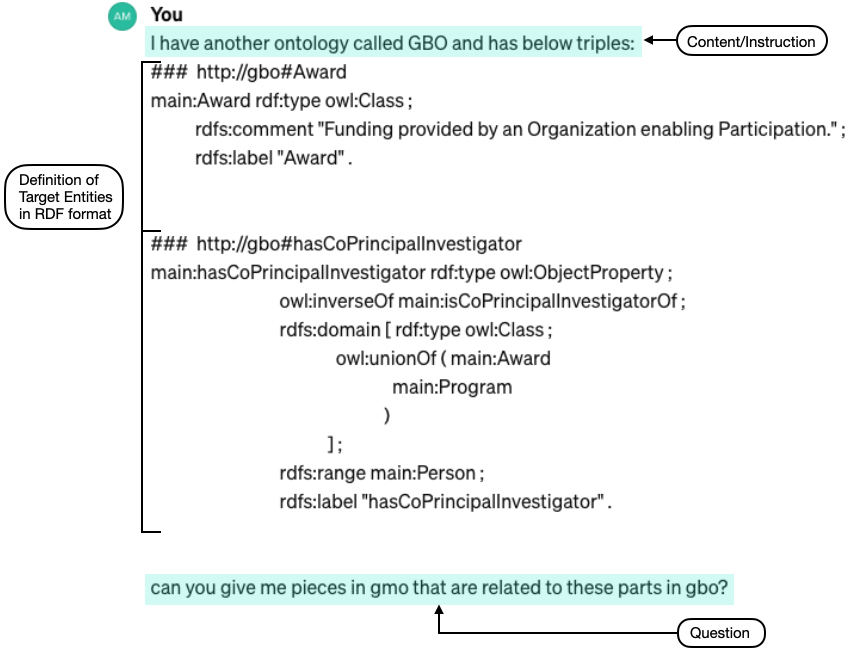
The methodology revolves around leveraging LLMs within a prompt-based framework. Key aspects include:
Implementation Details
Evaluation
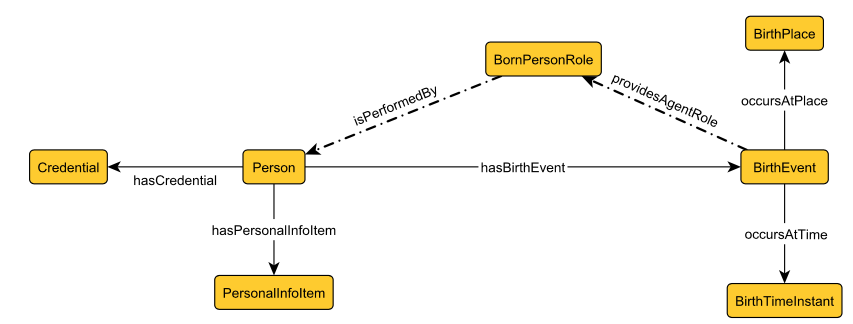
The evaluation employs the GeoLink dataset, focusing on complex alignment rules between the GeoLink Modular Ontology (GMO) and the GeoLink Base Ontology (GBO). Metrics such as precision and recall assess the methodology's effectiveness in detecting relevant ontology components.
Discussion
The research demonstrates notable advancements in the automation of complex ontology alignment. Integrating ontology modules into LLM-driven systems shows promise for enhancing the detailed semantic analysis required for such tasks. However, the results also highlight the necessity for ongoing development, particularly in refining prompt strategies and expanding datasets.
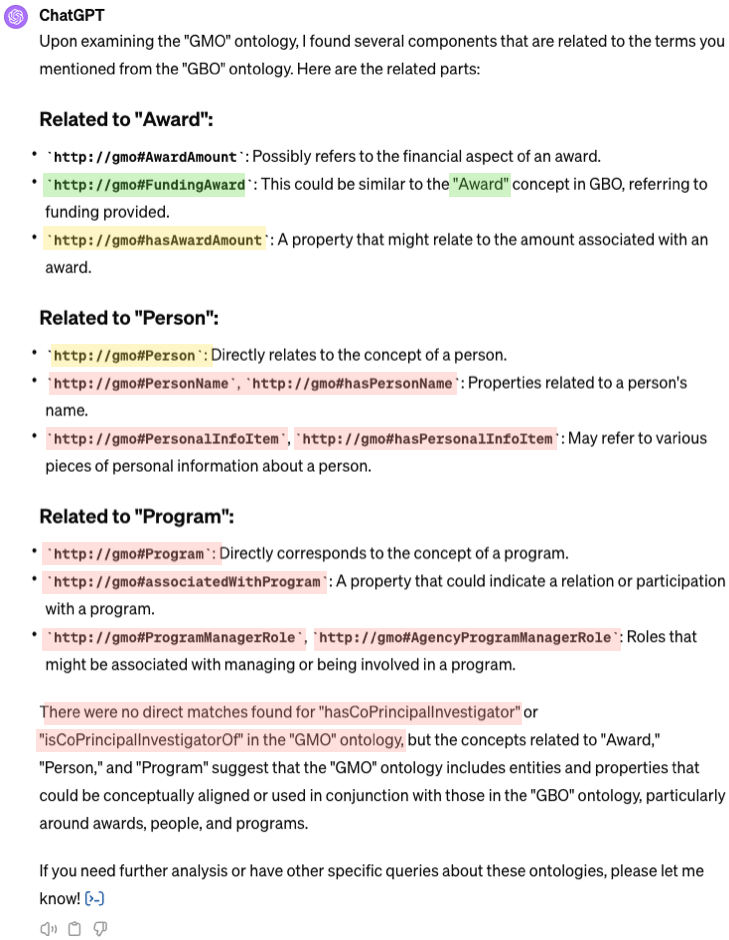
Figure 4: GPT-4 response to our initial question.
Implications and Future Work
This research advances the field of ontology alignment by demonstrating the potential of LLMs in automating complex alignment tasks. Implications include:
- Ontology Design Practices: Encouragement for ontology developers to adopt modular designs, enhancing reuse and integration flexibility.
- Prospects for Automation: The approach outlines a feasible path toward semi-automated or fully automated complex ontology alignment, reducing reliance on labor-intensive manual processes.
Future work will focus on refining the integration of LLMs with symbolic reasoning systems and extending the approach to additional datasets, potentially enabling more robust and versatile ontology alignment systems.
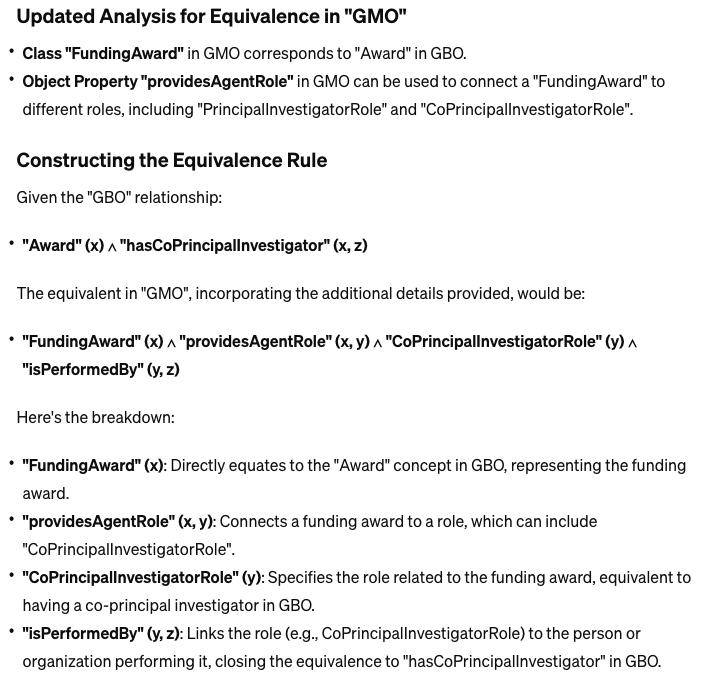
Figure 5: GPT-4 response to our question with Module information included.
Conclusion
The study provides a compelling case for leveraging LLMs in the complex ontology alignment domain, combining neural processing with symbolic reasoning. The integration of ontology modules is shown to be a crucial factor in achieving more effective and accurate alignments, indicating a significant step forward in overcoming the longstanding challenges associated with this task. The research lays the groundwork for further exploration into neural-symbolic methods in ontology engineering.