- The paper introduces an integrated framework using RFID technology and AI to predict vital signs over a three-hour period.
- It employs an MLP regressor with ReLU activation and Adam optimization to forecast heart rate and respiration at 15-minute intervals.
- The system classifies ten physical activities via RFID tag phase changes, enabling proactive interventions to enhance patient safety.
AI-enabled RPM Framework for Mental Health Facilities
The paper "AI enabled RPM for Mental Health Facility" (2301.08828) introduces a novel framework designed to leverage AI within Remote Patient Monitoring (RPM) systems, specifically tailored for mental health facilities. This framework capitalizes on RFID technology with Near-field Coherent Sensing (NCS) capabilities to perform non-invasive monitoring of patients’ vital signs and physical activities—crucial in managing aggressive or agitated patients.
Framework Overview
The AI-enabled RPM system combines RFID technology with AI models to forecast future vital signs and classify physical activities in real-time. The framework utilizes passive RFID tags, strategically placed on patient clothing, allowing clinicians to monitor vital signs such as heart rate and respiration autonomously (Figure 1).
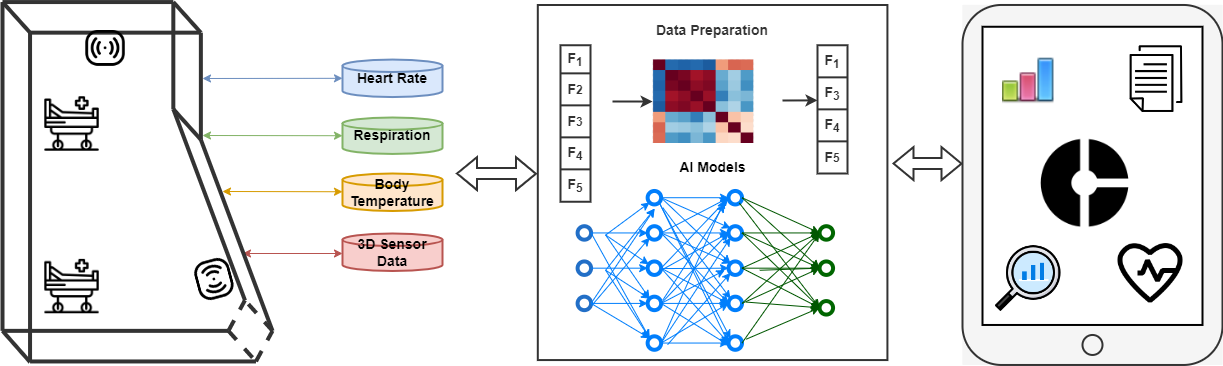
Figure 1: Graphical Abstract highlighting RPM system integration for predictive healthcare.
This setup accomplishes contactless monitoring, promoting patient and staff safety by predicting clinical deterioration and potentially disruptive patient behaviors through continuous data extraction from RFID tags (Figure 2).
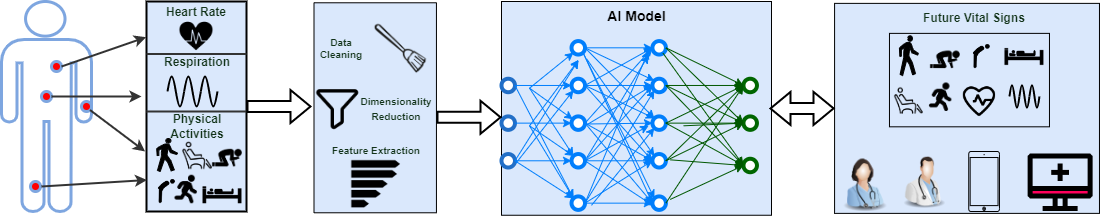
Figure 2: Proposed research framework for AI-enabled RPM system.
Prediction and Classification Modelling
Prediction Modelling
The RPM system integrates a Multilayer Perceptron (MLP) model to handle regression tasks aimed at predicting vital signs—specifically heart rate and respiration—over a three-hour forecast period. The model processes continuous data sampled every hour, predicting future states every 15 minutes to anticipate potential health risks (Figure 3).
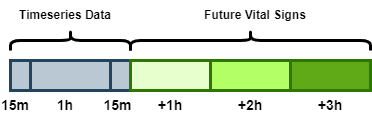
Figure 3: Prediction of Future Vital Signs employing an MLP regressor model.
Features are input into the model, which employs traditional feed-forward architecture with ReLU activation, optimizing with the Adam algorithm and MAE loss function to ensure precise and robust predictions.
Classification Modelling
For physical activity classification, the RFID setup detects tag phase changes to classify patient motions across ten defined activities using an MLP classifier. This includes activities such as walking, running, or knee bending. The classifier employs binary cross-entropy for loss calculation alongside established metrics for precision, recall, and F1 score evaluation.
Case Study Implementation
A case study demonstration showcases the application of the AI-enabled RPM framework with a PTSD patient exhibiting volatile vital signs due to severe symptoms. The system accurately forecasts vital sign fluctuations and identifies risky behavior patterns allowing medical staff to intervene appropriately (Figure 4).
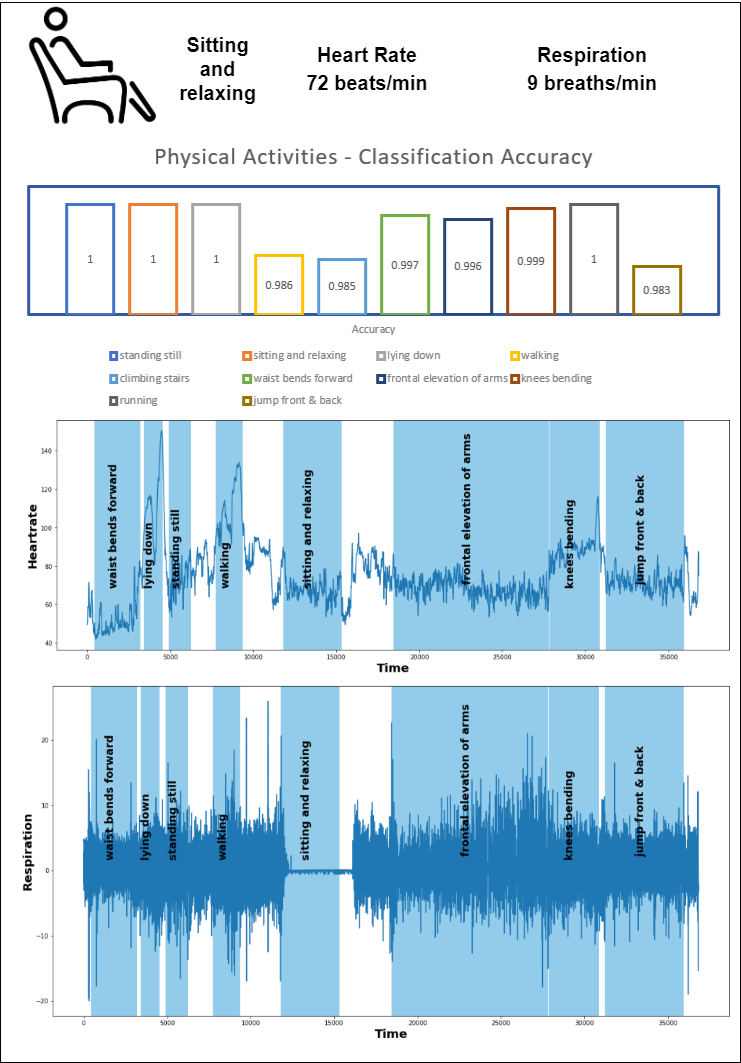
Figure 4: Output Plots presenting real-time and forecast analyses of patient health metrics.
The outlined setup underscores the effectiveness of AI-driven RPM systems in non-invasive health monitoring, furnishing frontline healthcare workers with vital predictive insights to enhance patient care and response strategies.
Conclusion
The implementation of AI in RPM systems for mental health facilities offers substantial advancements in non-contact patient monitoring, focusing on predicting and mitigating risks associated with patient behavior. As demonstrated, the integration of predictive AI models fosters proactive clinical responses while safeguarding patient welfare. Future research directions could involve exploration into reinforcement learning to refine adaptive patient models and extend the RPM system’s capabilities across broader healthcare contexts, thereby establishing a comprehensive and intelligent monitoring approach in clinical settings.

