- The paper introduces a metrology-inspired framework that quantifies reproducibility in NLP and ML by mapping physical measurement concepts to computational tasks.
- It employs repeatability assessments under fixed conditions and uses the coefficient of variation to evaluate performance consistency in reproduction studies.
- The framework encourages standardized condition documentation and best practices for robust and transparent evaluation in NLP and ML experiments.
Quantifying Reproducibility in NLP and ML
Introduction
The paper "Quantifying Reproducibility in NLP and ML" addresses the increasing scrutiny of reproducibility within ML and NLP in the context of a broader scientific reproducibility crisis. The proliferation of inconsistent terminology and definitions has hindered the development of a standardized framework for reproducibility assessment, particularly in NLP/ML fields. This work applies standard metrology terminology to NLP/ML to develop a universal reproducibility framework that quantifies reproducibility across reproduction studies, challenging industry assumptions regarding the inadequacy of general scientific terms.
Reproducibility Framework
Reproducibility is delineated as a property of measurements derived under various conditions, distinguishing it from objects or systems. The paper leverages the International Vocabulary of Metrology (VIM) to map traditional physical measurement concepts to NLP/ML tasks, providing a reproducibility framework rooted in precision measurement definitions.
The framework involves:
- Repeatability assessment under fixed conditions: Aimed at minimizing baseline variation and establishing a benchmark for reproducibility using repeated measurements of a measurand under identical settings.
- Reproducibility assessment: Evaluating variations in outputs given changes in measurement conditions using the precision (CV, coefficient of variation) of observed results.
This approach underscores the necessity for consistent condition specifications in reproduction studies to achieve comparable and reliable reproducibility assessments.
Examples of Reproducibility in NLP/ML
Case Study: Weighted F1-score of a Text Classifier
Quantifying reproducibility was demonstrated using a text classifier's weighted F1-score, involving different teams attempting to reproduce results from Vajjala and Rama's study. Although exact conditions varied across replications, the reproducibility measure was instantiated by computing the CV from different studies' results.
Case Study: Clarity and Fluency of an NLG System
The reproducibility assessment for clarity and fluency scores of a natural language generation (NLG) system extended the approach to subjective human evaluations. Despite variations in evaluators and interfaces, the study positioned reproducibility within the broad spectrum of subjective assessments by rescaling evaluation scores and applying CV as a uniform metric.
Practical Steps and Considerations
The paper advocates for the establishment of standard measurement conditions in NLP/ML, with an emphasis on various computational artifacts. Proposed assessment phases (repeatability and reproducibility) aim to systematically identify and narrow down the factors contributing to deviations in reproduction studies and help guide consistent condition documentation.
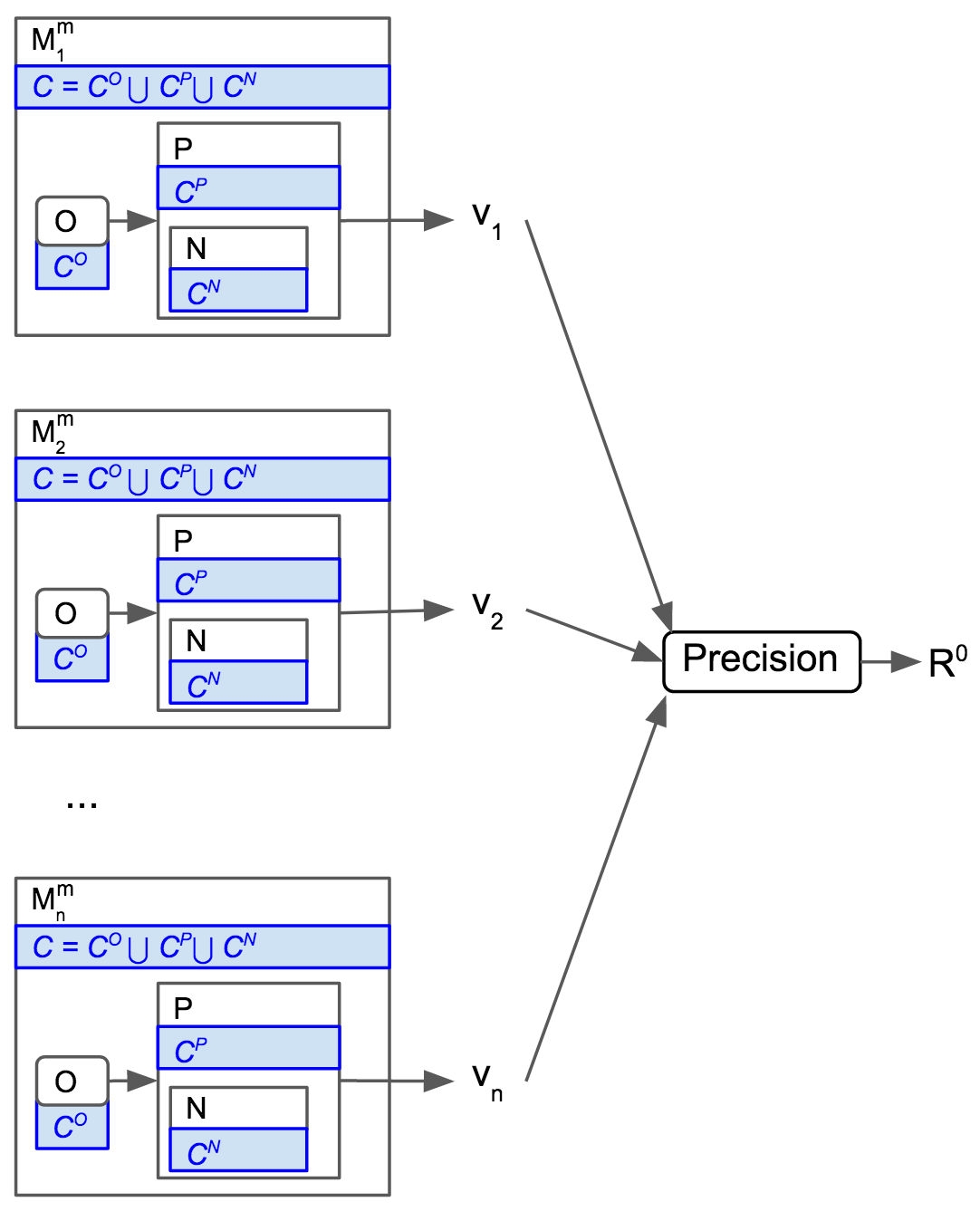
Figure 1: Diagrammatic overview showcasing the repeatability assessment framework applied in studies, denoting measurements with consistent conditions.
Future Implications
By anchoring its framework in well-established scientific definitions, this research seeks to consolidate reproducibility methodologies across NLP/ML. Future endeavors might focus on refining condition sets and adapting the reproducibility framework for emerging technologies and methodologies in AI, encouraging transparent documentation practices to facilitate robust reproducibility assessments.
Conclusion
"Quantifying Reproducibility in NLP and ML" pioneers a metrology-based reproducibility framework discarding the niche-specific artifice of terminology in NLP/ML. This approach provides a scalable model for assessing reproductions, informing best practices for reliable scientific inquiry across varying contexts in ML and NLP. Through consistent methodological criteria and quantitative evaluations, AI research may thereby achieve a more robust framework for evaluating reproducibility—a cornerstone for scientific progress and integrity.