- The paper introduces SAM, an AI-driven platform that converts passive video watching into interactive, proactive learning experiences.
- It employs a dual-server architecture and large language models to deliver context-aware, real-time feedback and explanations from video content.
- User studies show that SAM significantly improves engagement and knowledge retention, evidenced by higher quiz accuracy and reduced errors.
Empowering Proactive Participation in Digital Classrooms with AI Video Assistant
The paper, "From Passive Watching to Active Learning: Empowering Proactive Participation in Digital Classrooms with AI Video Assistant," examines the enhancement of online educational tools through the integration of AI-driven mentoring systems aimed at transforming passive consumption into active learning. This study introduces SAM (Study with AI Mentor), a context-aware AI platform that combines educational videos with real-time interactive assistance, significantly improving learning outcomes by encouraging student engagement through question-asking and personalized feedback.
Introduction
Online education platforms have increasingly incorporated AI-driven chatbots to deliver personalized support, contributing to heightened student engagement and retention. SAM represents a sophisticated iteration of these technologies, offering real-time contextual mentoring integrated into educational videos. By prompting students to ask questions and explore topics in greater depth, SAM advances the interactive and immersive potential of e-learning environments.
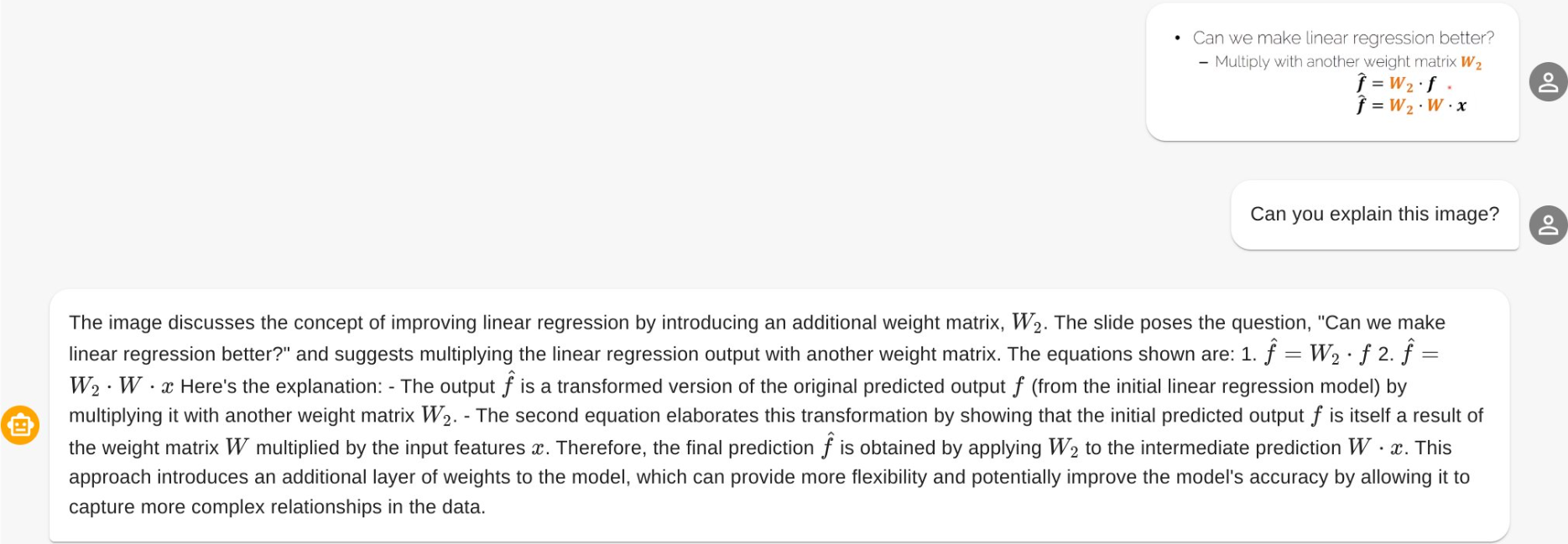
Figure 1: Example of SAM in action: user submission of an image and formula visualization.
SAM enhances the educational experience by leveraging LLMs to provide context-aware responses grounded in video lectures and supplemental materials such as lecture slides. Users can actively engage with content by querying the AI mentor, which responds with precise explanations informed by both textual and visual components of the learning material.
Architecture and Functionality of SAM
SAM operates on a dual-server architecture, utilizing AWS for backend processing to ensure robust performance and scalability. It integrates GPT-4o to facilitate real-time dialogue with users, offering dynamically generated explanations that incorporate video transcripts and LaTeX-rendered formulas for accurate mathematical representation.
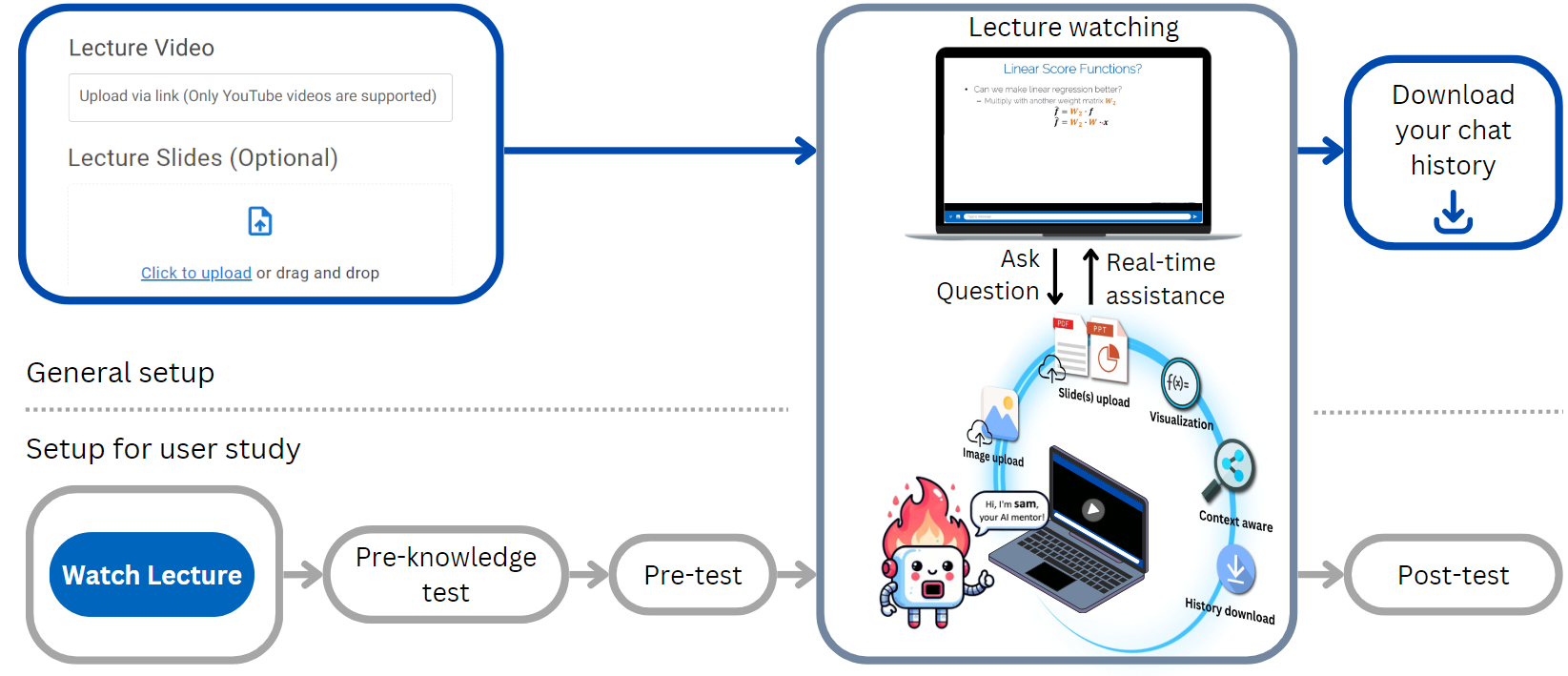
Figure 2: Structure of SAM, with modification for the user study.
The architecture emphasizes seamless interaction, enabling users to submit screenshots or references to slides in their queries, greatly enhancing the accuracy and relevance of the AI mentor’s responses. This approach allows for a holistic learning experience, combining immediate contextual feedback with the flexibility of asynchronous video consumption.
User Study Design and Results
A comprehensive user study assessed the impact of SAM across various demographics, focusing on knowledge gain, engagement, and user satisfaction. Participants were randomly divided into test and control groups, with the test group employing SAM’s interactive features while the control group watched the video content without AI assistance. Results demonstrated that SAM usage led to statistically significant improvements in knowledge gain and reduced errors in quiz responses, confirming the effectiveness of AI-facilitated learning assistance.
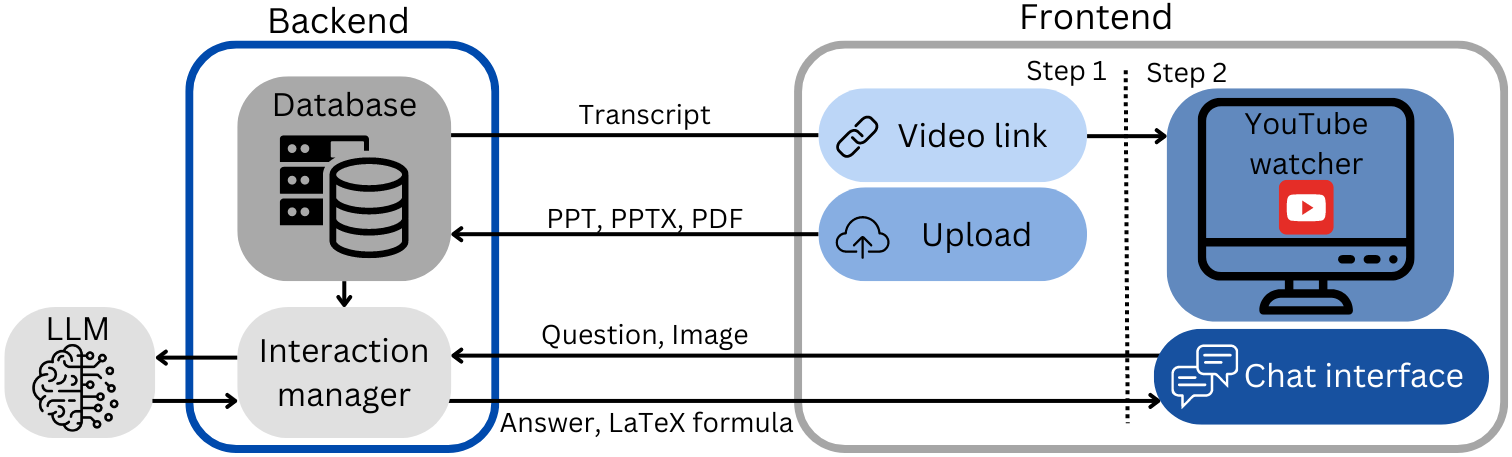
Figure 3: Implemented modules and their connections in the web application of SAM.
SAM’s capability to enhance learning outcomes was most notable among students and participants in flexible working environments, aligning with the platform’s design to support active engagement in self-directed learning contexts. The AI mentor achieved a response accuracy rate of 96.8%, underscoring its potential as a reliable educational support tool.
Discussion and Implications
While SAM provides substantial educational benefits, its optimization for YouTube content may limit accessibility to educational institutions preferring other platforms. Future iterations should address this limitation by expanding compatibility across additional video-hosting services. Moreover, although SAM demonstrated effectiveness predominantly among students and younger participants, tailoring its functionality for diverse professional contexts could broaden its applicability and impact.
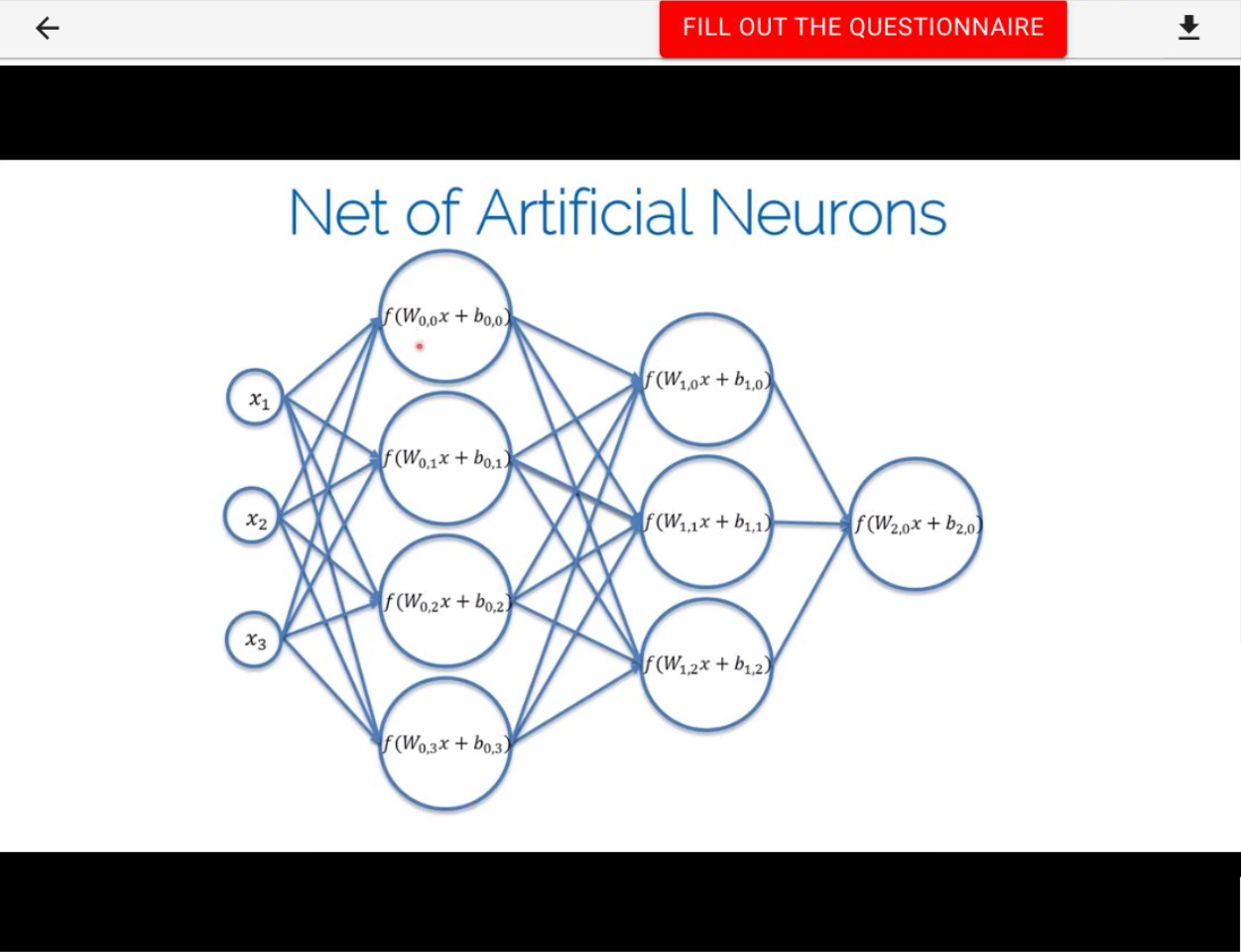
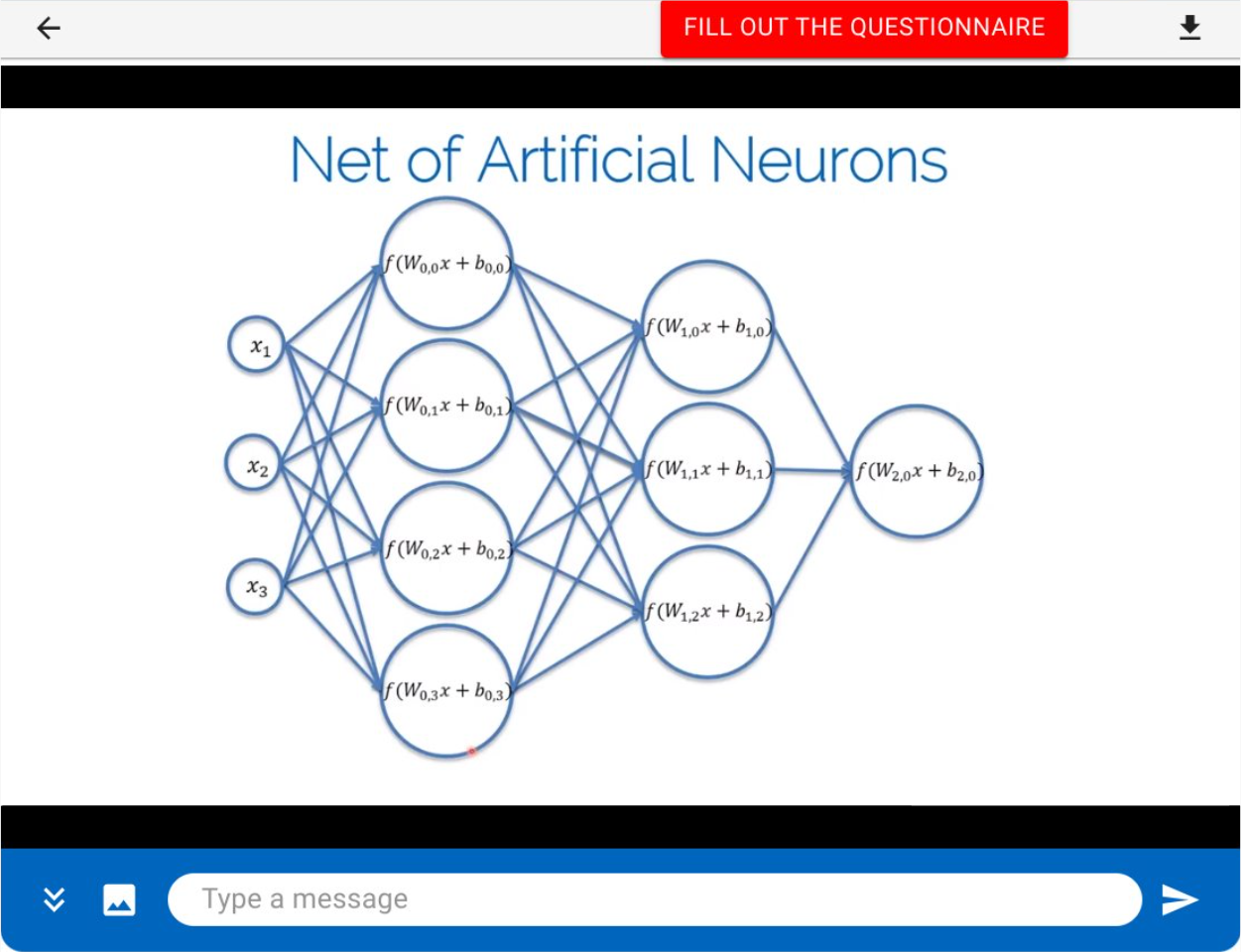
Figure 4: Exemplary representations from the study.
SAM’s approach to active learning, where questioning and tailored feedback are central, supports a paradigm shift towards more engaged and autonomous learning experiences. By encouraging interaction, SAM not only improves retention but also fosters critical thinking and deeper comprehension.
Conclusion
The introduction of SAM marks a significant advancement in digital education tools, promoting proactive student involvement and personalized learning. The empirical evidence from user studies suggests ongoing potential for SAM to play a valuable role in shaping the future of e-learning environments that prioritize student engagement and empowerment. Future research should explore its applicability across different educational contexts and platforms, ensuring digital learning continues to evolve towards maximizing educational efficacy.