- The paper introduces XInsight, which leverages GFlowNets to generate a diverse distribution of explanations for GNN predictions, enhancing model interpretability.
- It demonstrates the framework’s capability by generating class-specific graphs validated through experiments on synthetic acyclic graphs and the MUTAG dataset.
- The approach uncovers critical relationships, such as the link between lipophilicity and mutagenicity, confirmed via statistical validation and QSAR modeling.
XInsight: Revealing Model Insights for GNNs with Flow-based Explanations
Introduction
The paper "XInsight: Revealing Model Insights for GNNs with Flow-based Explanations" (2306.04791) presents a novel approach, XInsight, leveraging Generative Flow Networks (GFlowNets) to generate interpretable and diverse explanations for Graph Neural Networks (GNNs). It addresses the need for explainable AI in high-stakes applications such as drug discovery, where understanding model predictions is crucial for validation and new knowledge discovery.
GFlowNets and Their Role in Explainability
Generative Flow Networks (GFlowNets) are central to the XInsight framework. Unlike traditional explainability methods that optimize for a single reward-maximizing explanation, GFlowNets are designed to generate a diverse set of objects, with probabilities proportional to a reward function, facilitating a broader exploration of model behaviors. By implementing GFlowNets within the XInsight framework, the authors aim to provide users multiple perspectives into a GNN's learning patterns, crucial for deriving insights that may otherwise remain obscured.
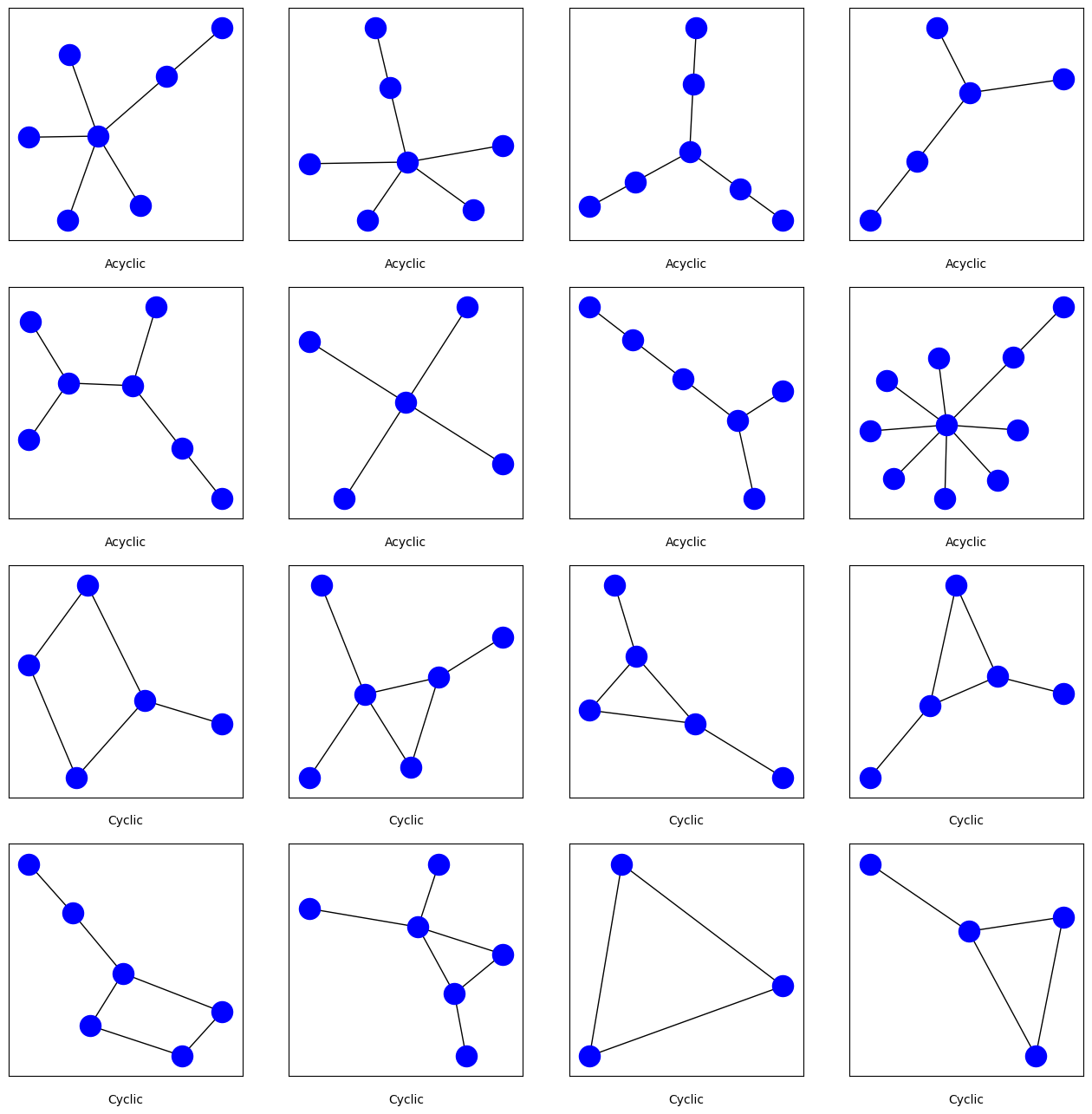
Figure 1: Generated graphs (8 with cycles and 8 without cycles) to verify XInsight's ability to generate graphs of a specified target class.
XInsight Framework
XInsight produces a distribution of explanations, enabling deeper analysis of the underlying model's decision mechanism. By utilizing GFlowNets trained to generate graph structures aligned with a target class, XInsight can effectively highlight patterns the model associates with certain predictions. This capacity to generate multiple explanations represents a significant advancement over single-sample methods.
Experimental Evaluation
Acyclic Graph Generation
To validate the generative capabilities of XInsight, the authors conducted experiments using synthetically generated acyclic graphs. The GNN trained for this classification task demonstrated high accuracy, confirming that XInsight can produce class-specific graphs as directed by the model.
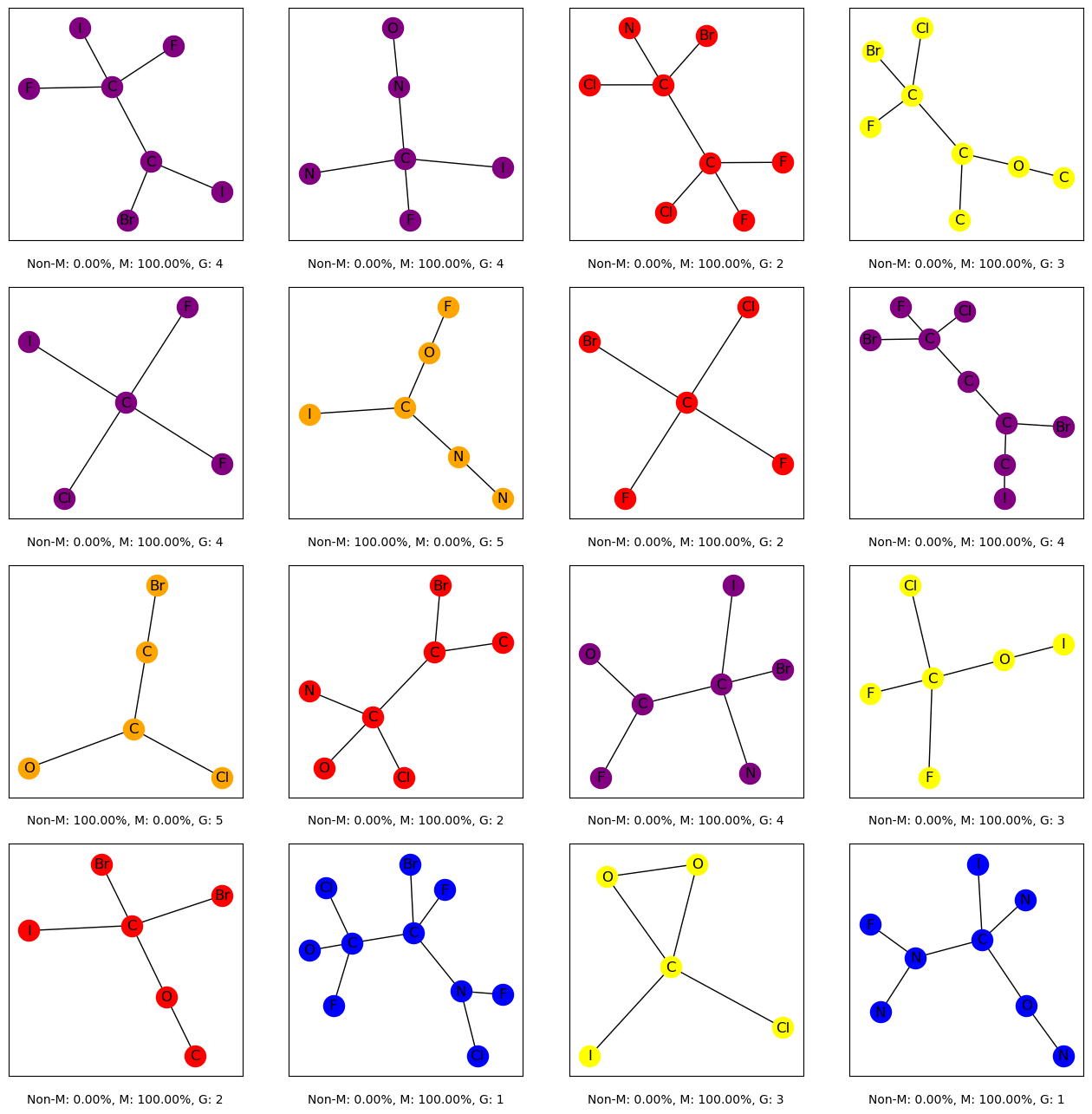
Figure 2: Distribution of explanations for the Mutagenic classifier generated by the trained XInsight model, with MUTAG class probabilities according to the trained proxy.
MUTAG Dataset Insights
Applying XInsight to the MUTAG dataset allowed the authors to discover meaningful relationships within mutagenic compound classifications. The visualization of system-generated compounds showed distinct clustering based on lipophilicity, verified through QSAR modeling. This indicates XInsight's effectiveness in revealing critical chemical properties related to mutagenicity, thereby confirming previously established scientific hypotheses.
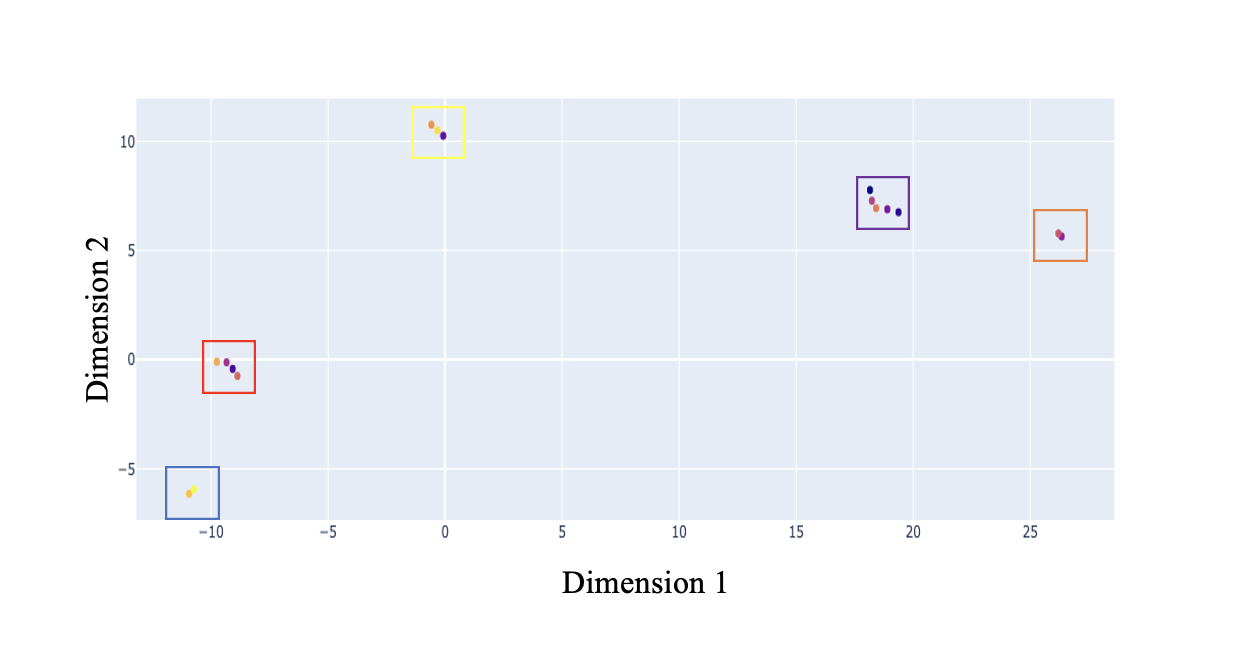
Figure 3: Generated graph embeddings projected onto 2-dimensional plane using UMAP.
Knowledge Discovery and Verification
XInsight's application in knowledge discovery persisted through analyses revealing associations between mutagenicity and compound properties—specifically lipophilicity—a known determinant. Statistical tests confirmed the validity of these relationships within the MUTAG dataset. This underscores XInsight's potential for verifying GNN predictions against established scientific knowledge, a key requirement in domains like drug discovery.
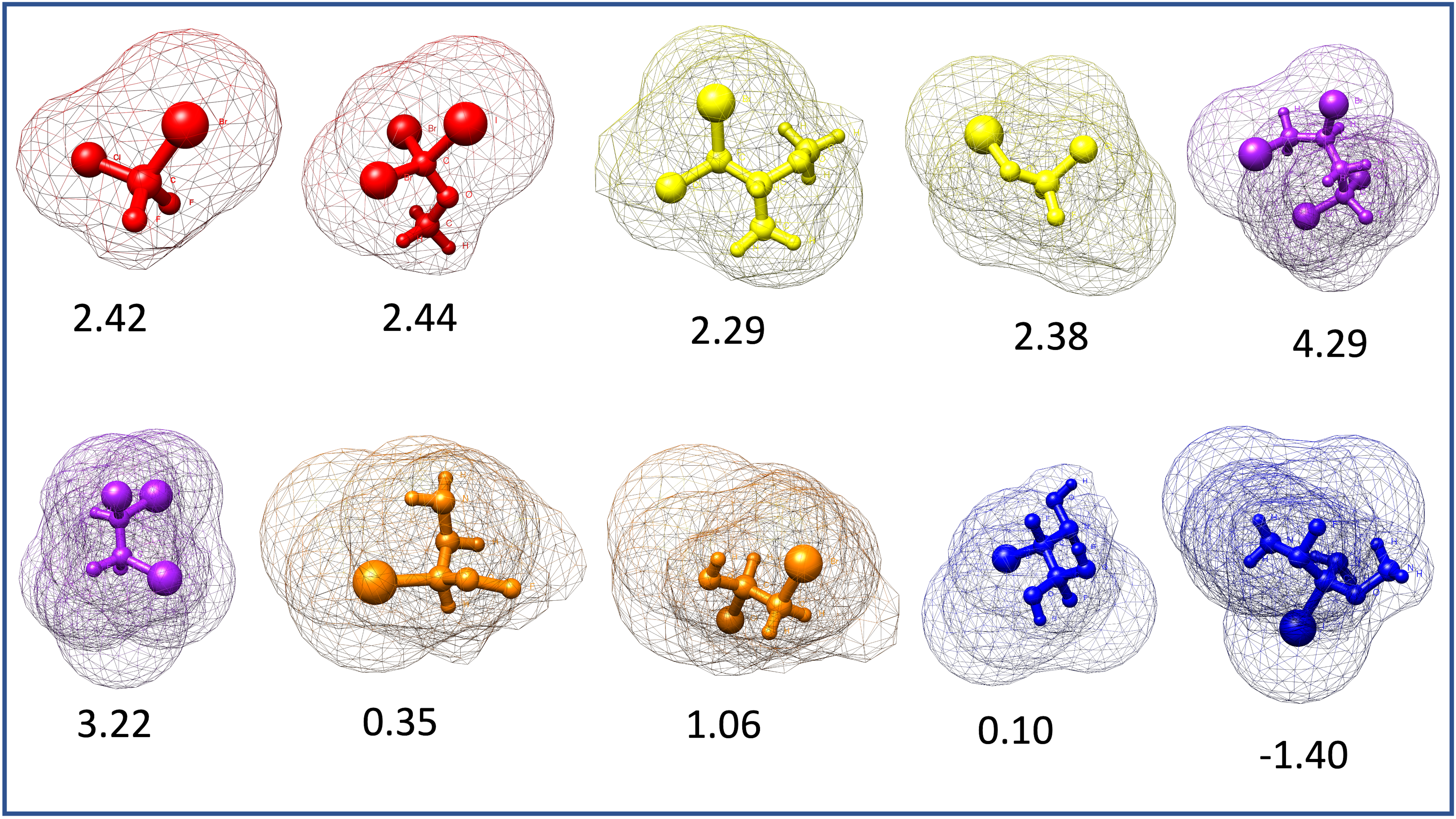
Figure 4: Lipophilicity calculations for 10 of the clustered compounds generated by XInsight using the XLOGP3 method.
Conclusion
The XInsight model demonstrates a significant advancement in GNN explainability by producing diverse explanations through GFlowNets. It not only improves understanding of GNN predictions but also offers a practical tool for uncovering relationships within the represented data, which proves invaluable in scientific fields where model transparency is critical. Future directions involve harnessing XInsight's potential across real-world applications requiring high interpretability for safe and effective deployment.
This novel approach reiterates the necessity of distribution-based explanation frameworks, affirming XInsight’s value in contributing to explainable AI research and practical implementations. It sets a promising trajectory for similar endeavors seeking to bridge gaps between AI model outputs and human-intelligible insights.