- The paper reveals that higher educational attainment and political engagement significantly boost citizen participation in Chile's constitutional process.
- It employs Structural Topic Modeling to differentiate emergent debate themes, linking discussion content to specific socio-demographic factors.
- Findings imply that enhancing education and digital infrastructure can foster more inclusive and effective democratic deliberation.
Analysis of "Citizens at the forefront of the constitutional debate: Participation determinants and emergent content in Chile"
Introduction
The research presented explores the dynamics and determinants of citizen participation in the Chilean constitutional-making process between 2015 and 2016. This process marked a paradigmatic shift towards a more inclusive democracy, where citizen engagement played a pivotal role in drafting the new constitution. With remarkably high participation rates compared to global standards, this study seeks to unpack the socio-political and demographic factors that influenced participation and the emerging themes and contents resulting from deliberative assemblies.
Determinants of Participation
The analysis reveals several critical factors influencing participation in the constitutional process. Educational attainment, political engagement, support for the sitting government, and internet accessibility emerged as significant facilitators of higher participation rates. Conversely, variables such as population density and the prevalence of evangelical Christian communities were inversely related to participation levels, suggesting potential socio-cultural or logistical barriers to involvement.
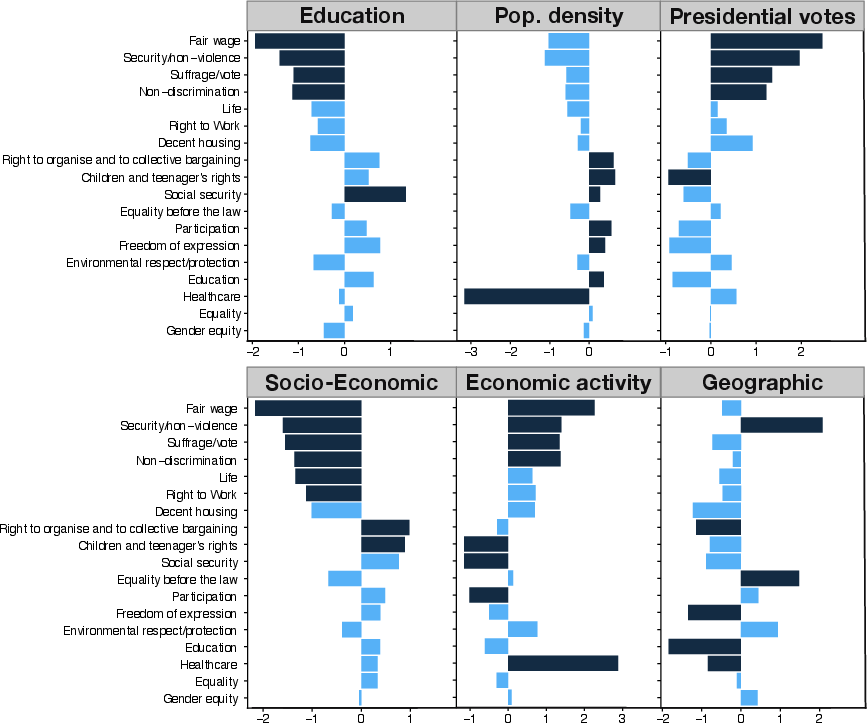
Figure 1: Selection of constitutional rights by municipalities, differentiated by socio-economic and political variables.
These findings underscore the importance of educational level and political climate in fostering engagement in deliberative democratic exercises. The lack of evidence for political manipulation by local authorities further reinforces the authenticity of citizen participation as ideologically motivated rather than politically coerced.
Emergent Themes in Deliberations
Through the application of Structural Topic Modeling, the research identifies key themes dominating the discourse in citizen assemblies, particularly focusing on social rights, equality, security, environment, and education.
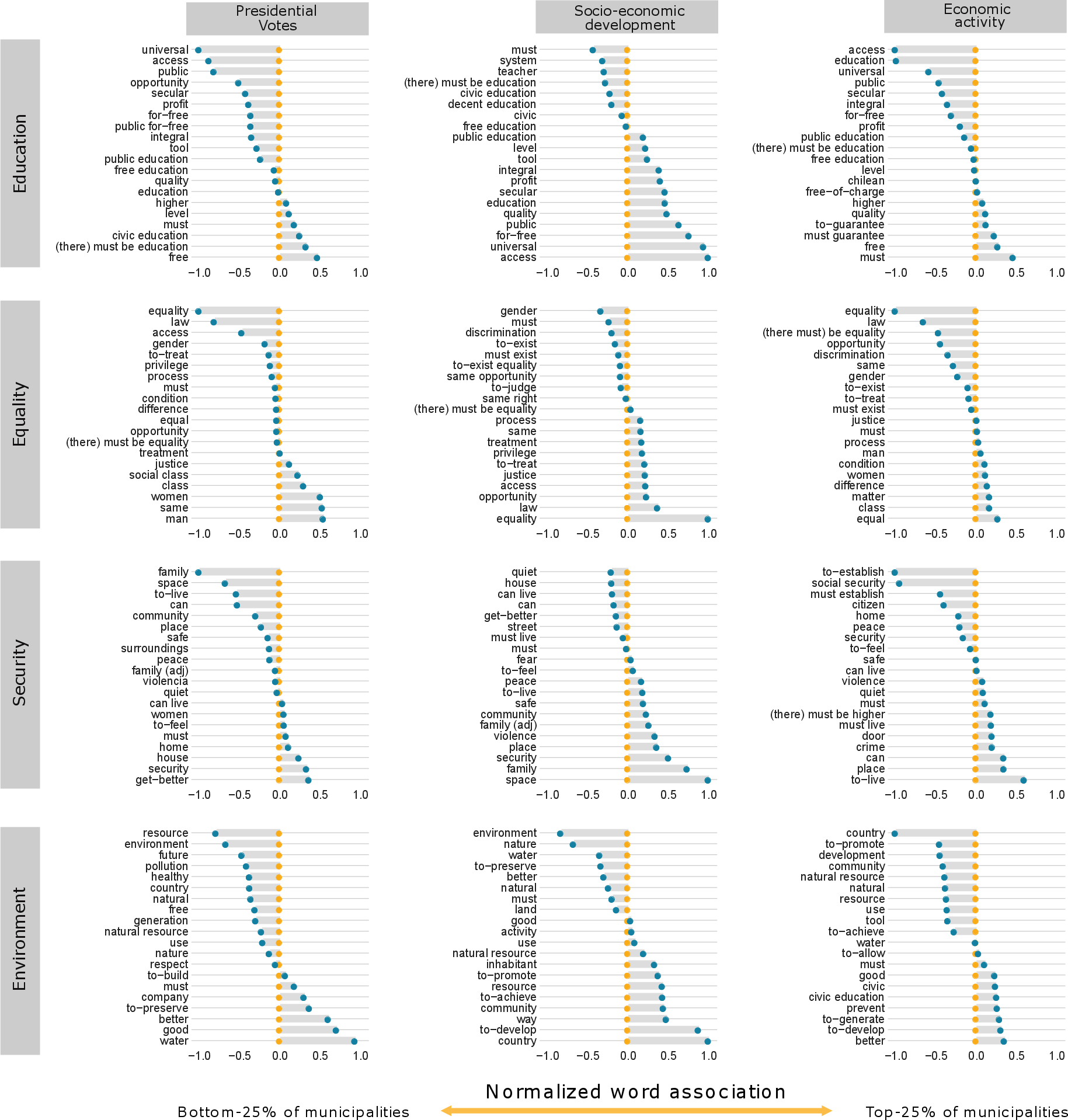
Figure 2: Word comparison across determinants highlighting thematic discussions on educational and social rights.
Distinct variances in topic emphasis correlated with socio-demographic and political contexts, revealing, for example, a stronger advocacy for social security and education in more educated or socio-economically developed regions. Furthermore, the analysis indicates that more socio-economically developed municipalities tend to engage in more conceptual and thematic discussions, suggesting that higher knowledge and resources could lead to more in-depth deliberations.
Implications and Future Directions
The Chilean case study offers valuable insights into the potential of citizen-driven processes in constitutional development. As democratic practices continue to evolve, the implications of these findings may guide future participatory strategies, highlighting the need for enhancing educational outreach, digital infrastructure, and inclusive political dialogue to improve civic engagement across diverse socio-economic landscapes.
Additionally, the identification of emergent thematic content provides a framework for predicting potential constitutional priorities emerging from public deliberations, further illustrating the dynamic relationship between societal values and institutional frameworks.
Conclusion
This study effectively articulates the complex interplay between various socio-political factors and citizen participation in Chile's constitutional reform process. By emphasizing the role of education, political engagement, and digital access, the research contributes to a nuanced understanding of how to cultivate inclusive participation in democratic processes. The findings and methodologies employed offer a foundational platform for democracies globally, aiming to enhance citizen involvement in governance and constitutional discourse.