- The paper demonstrates a novel MPC approach that reduces A/C energy consumption by up to 5.7% while maintaining cabin comfort.
- It employs a simplified predictive model validated against ACSim for real-time control and optimized load shifting based on vehicle speed.
- The strategy integrates vehicle speed preview with MPC to achieve precise thermal management in hybrid electric vehicles’ A/C systems.
MPC-Based Precision Cooling Strategy for Automotive A/C Systems
Introduction
The paper "MPC-Based Precision Cooling Strategy (PCS) for Efficient Thermal Management of Automotive Air Conditioning System" (1906.04006) presents a novel approach to thermal management in automotive air conditioning (A/C) systems through Model Predictive Control (MPC). This strategy is aimed at improving energy efficiency while maintaining passenger comfort by precisely tracking desired cooling trajectories. The development is particularly relevant for vehicles equipped with electrified powertrains, where A/C system efficiency significantly impacts overall energy consumption. The initiative leverages connected and automated vehicle (CAV) technologies, incorporating vehicle speed preview for enhanced energy savings.
System Modeling and Sensitivity Analysis
The paper introduces ACSim, a high-fidelity simulation model developed by Ford Motor Company for evaluating the proposed PCS. ACSim includes detailed representations of the vapor compression loop and air supply loop essential for A/C function in power-split hybrid electric vehicles (HEVs) (Figure 1).
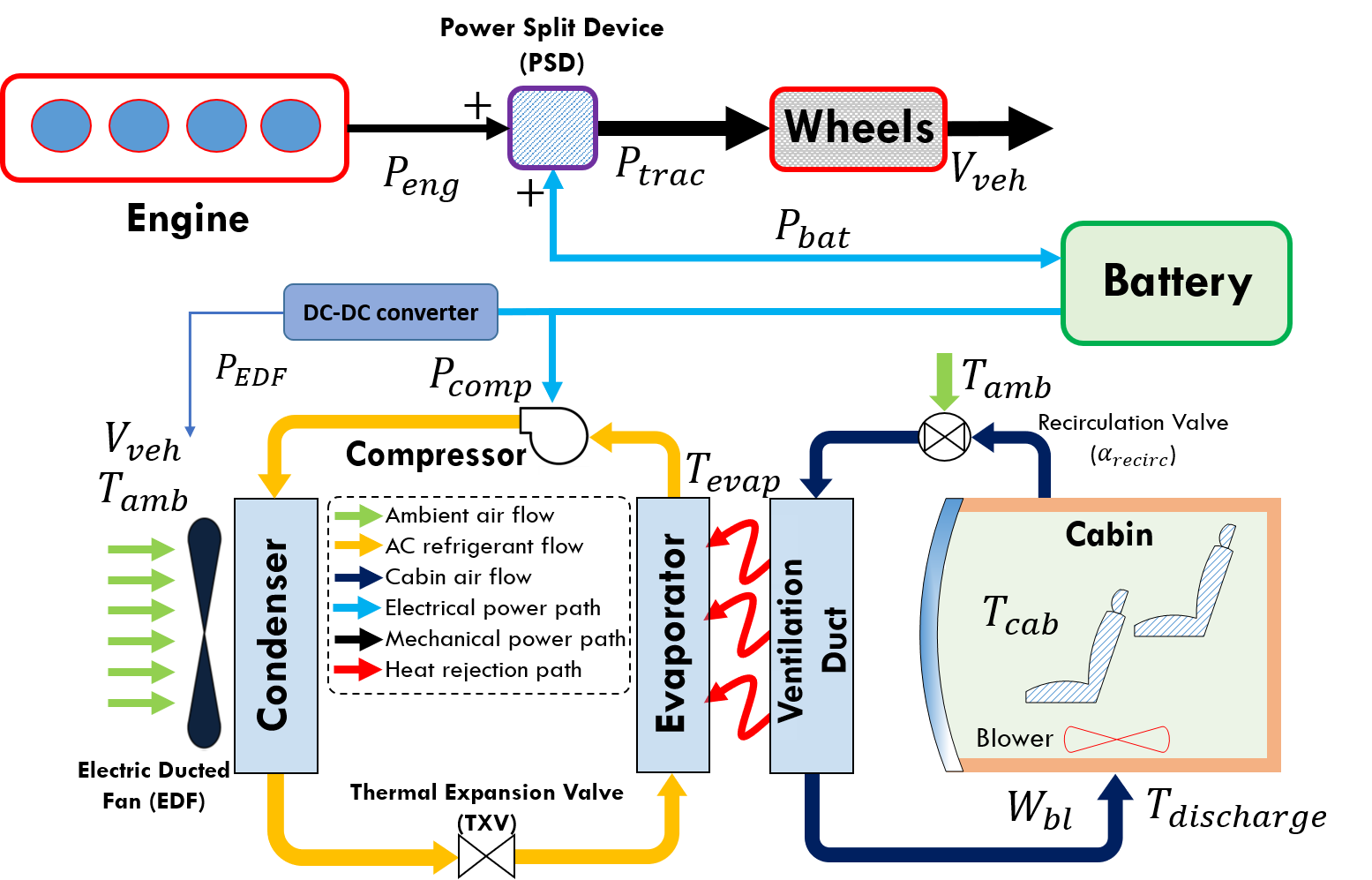
Figure 1: Schematic of the A/C system in a power-split HEV.
The paper highlights the sensitivity of A/C energy consumption to vehicle speed variations, revealing significant reductions in energy use as speed increases while maintaining cooling performance (Figures 3 and 4).
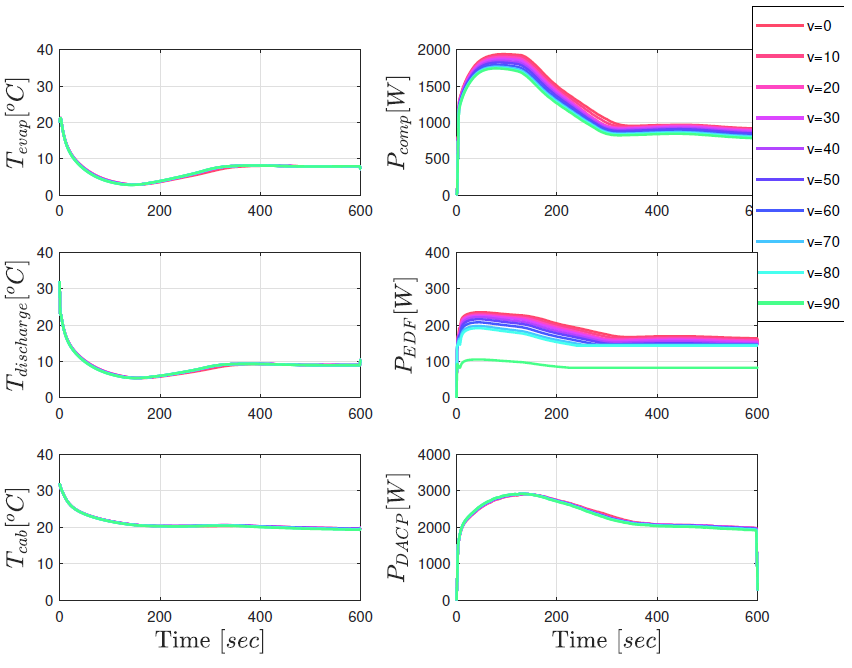
Figure 2: Sensitivity of the ACSim model responses to vehicle speed.
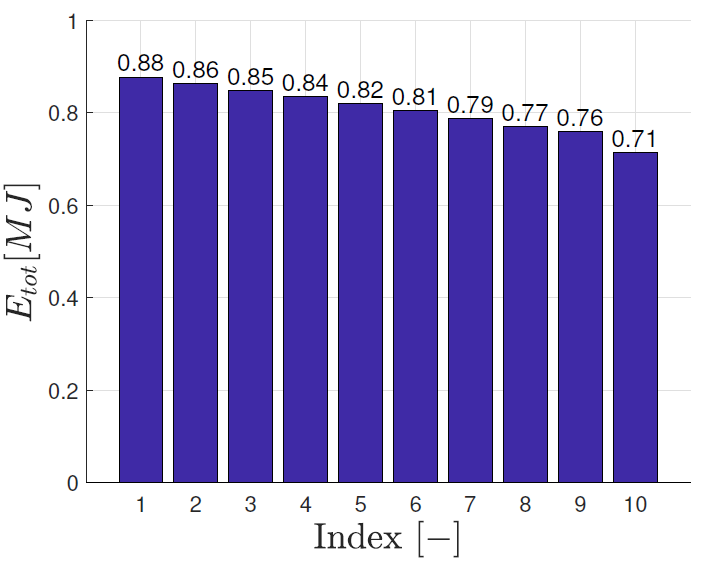
Figure 3: Total A/C energy consumption decreases as vehicle speed increases.
Predictive Model Development
To employ MPC, a simplified predictive model is developed, addressing the limitations of ACSim for real-time control applications. This model effectively captures the dynamic interactions between key parameters like the evaporator temperature and blower air flow, enabling optimized cooling strategies (Figure 4).
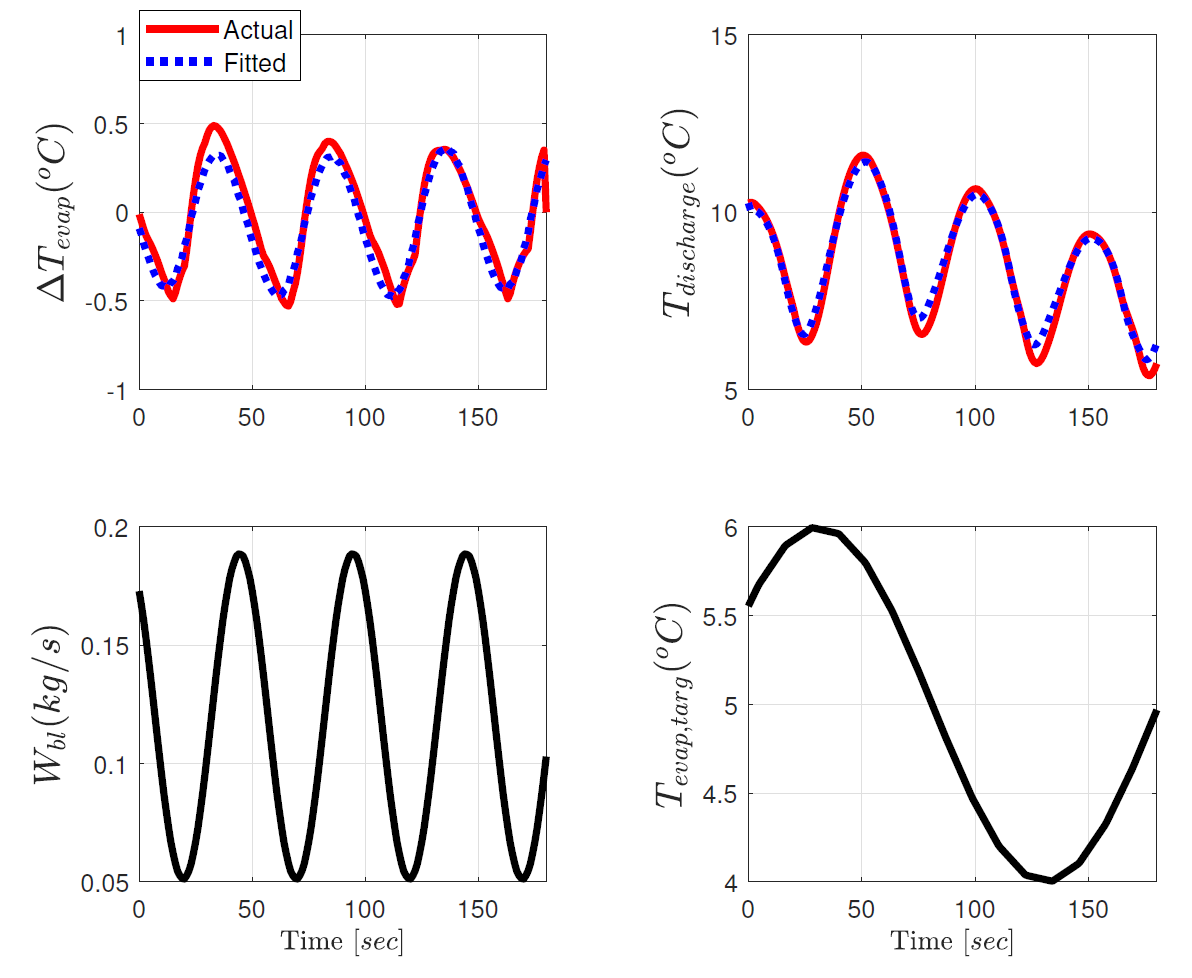
Figure 4: Model validation results of ΔTevap and Tdischarge for given sinusoidal excitations.
The predictive model facilitates the formulation of the MPC problem by estimating compressor power based on cooling demands and constraints, significantly influencing the A/C system's energy efficiency (Figure 5).
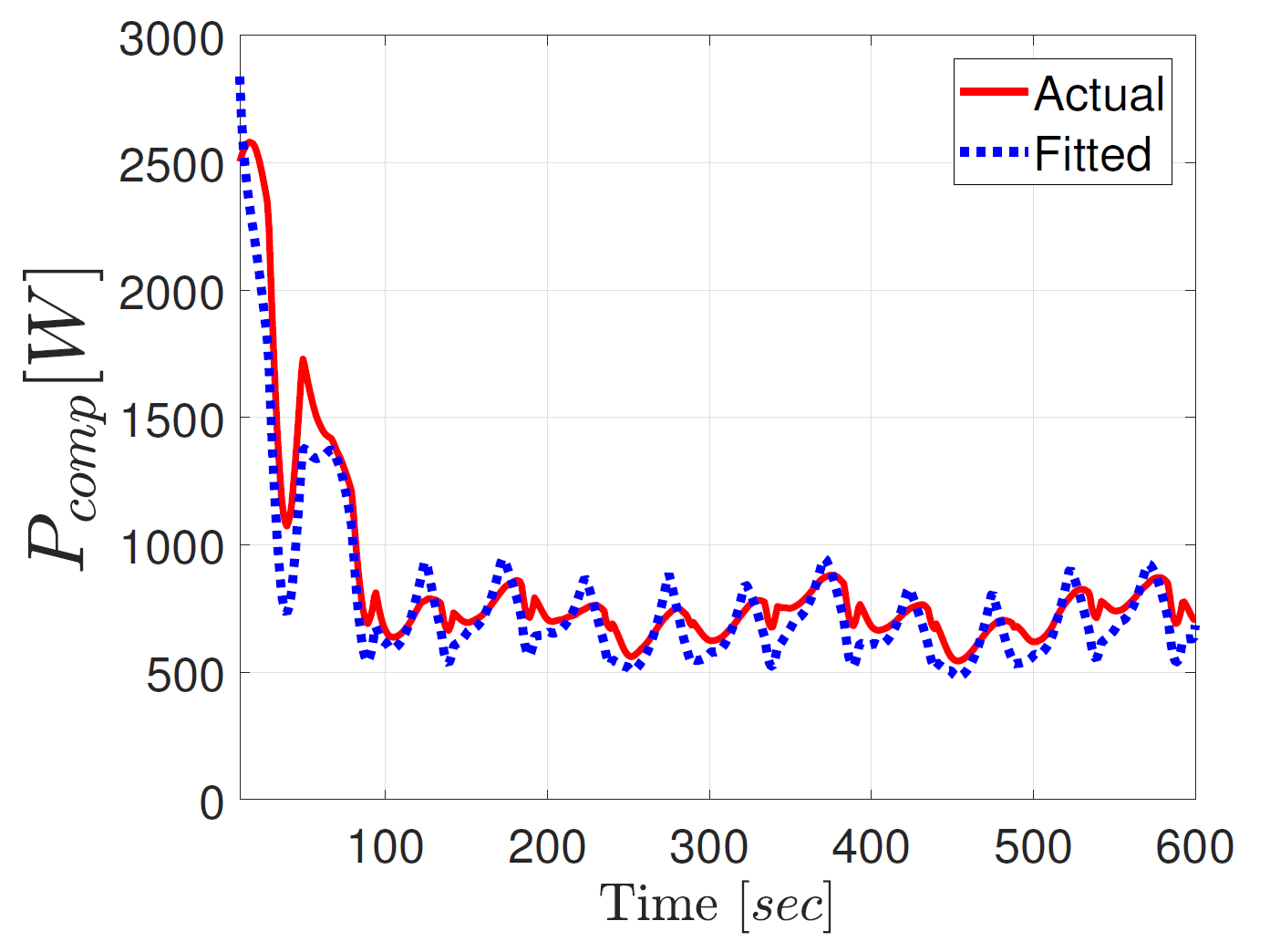
Figure 5: Estimated compressor power compared with actual compressor power measured from ACSim.
MPC-Based PCS Design
The PCS focuses on minimizing A/C energy consumption and tracking errors against target cooling power trajectories. The system coordinates A/C operations with vehicle speed predictions, allowing for load shifting to optimize energy use. The MPC framework utilizes the ACSim model in Simulink® for detailed simulation and validation (Figure 6).
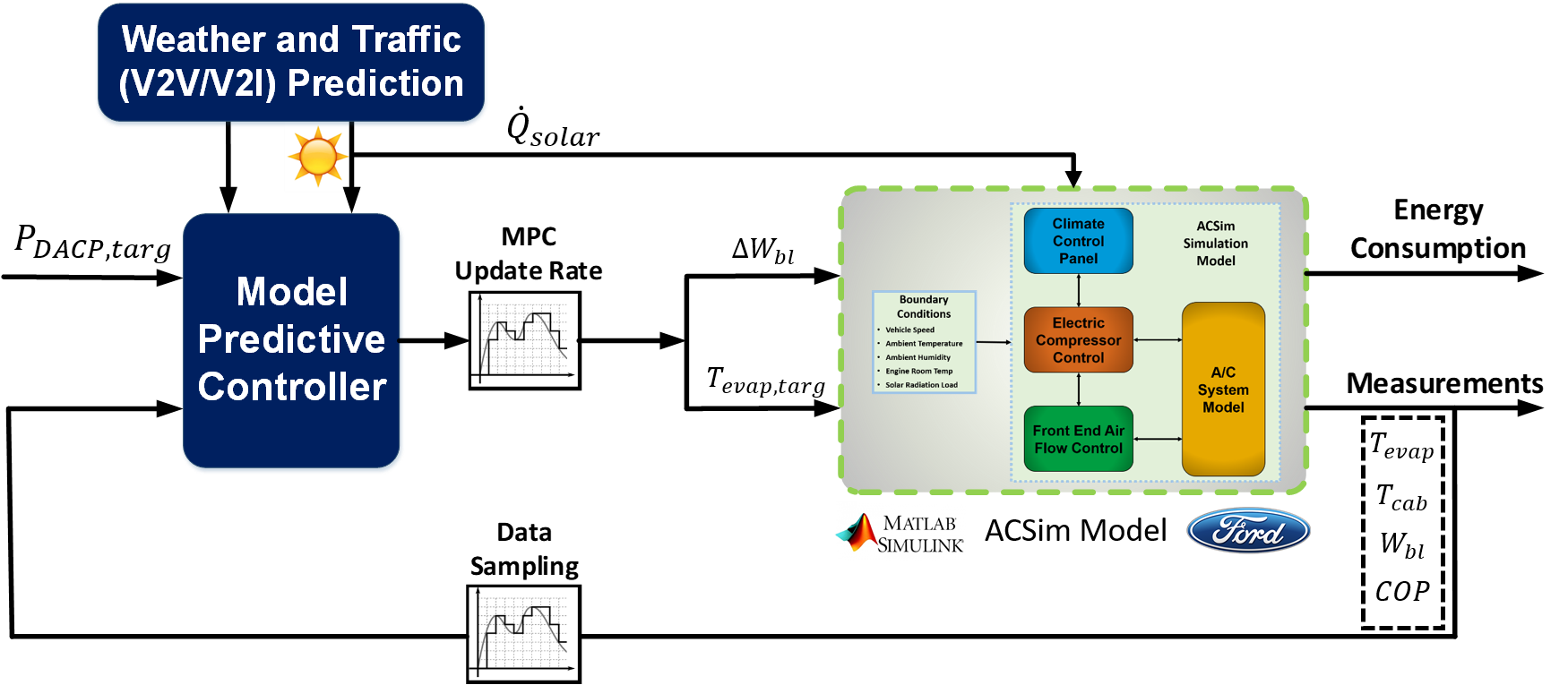
Figure 6: Schematics of integrating the MPC-based PCS with ACSim model in Simulink®.
The implementation demonstrates significant energy savings (up to 5.7%) compared to benchmark scenarios, with negligible effects on cabin temperature, showcasing the effectiveness of the strategy (Figures 10 and 11).
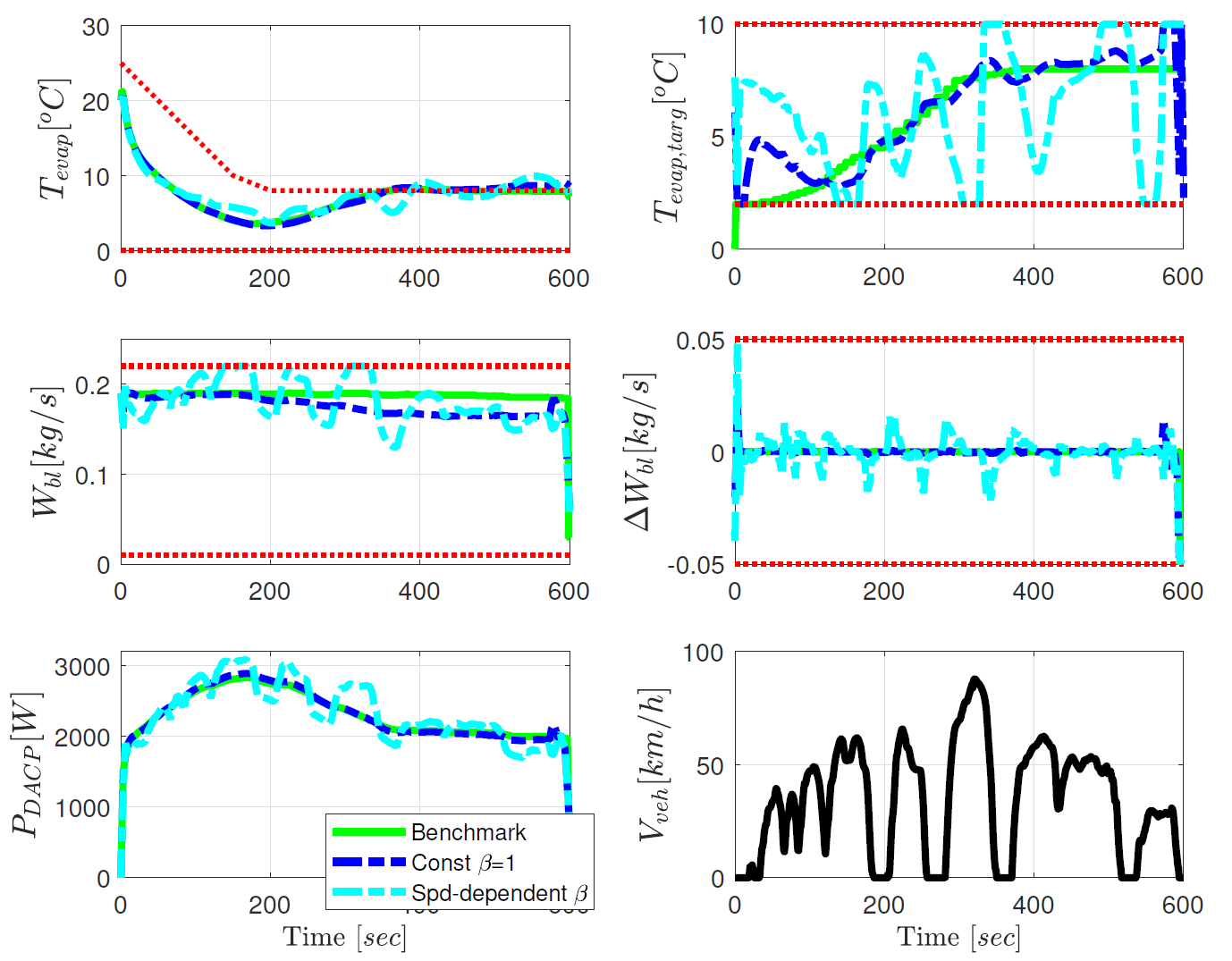
Figure 7: Comparison between the proposed PCS and the benchmark case on the ACSim model (key control variables).
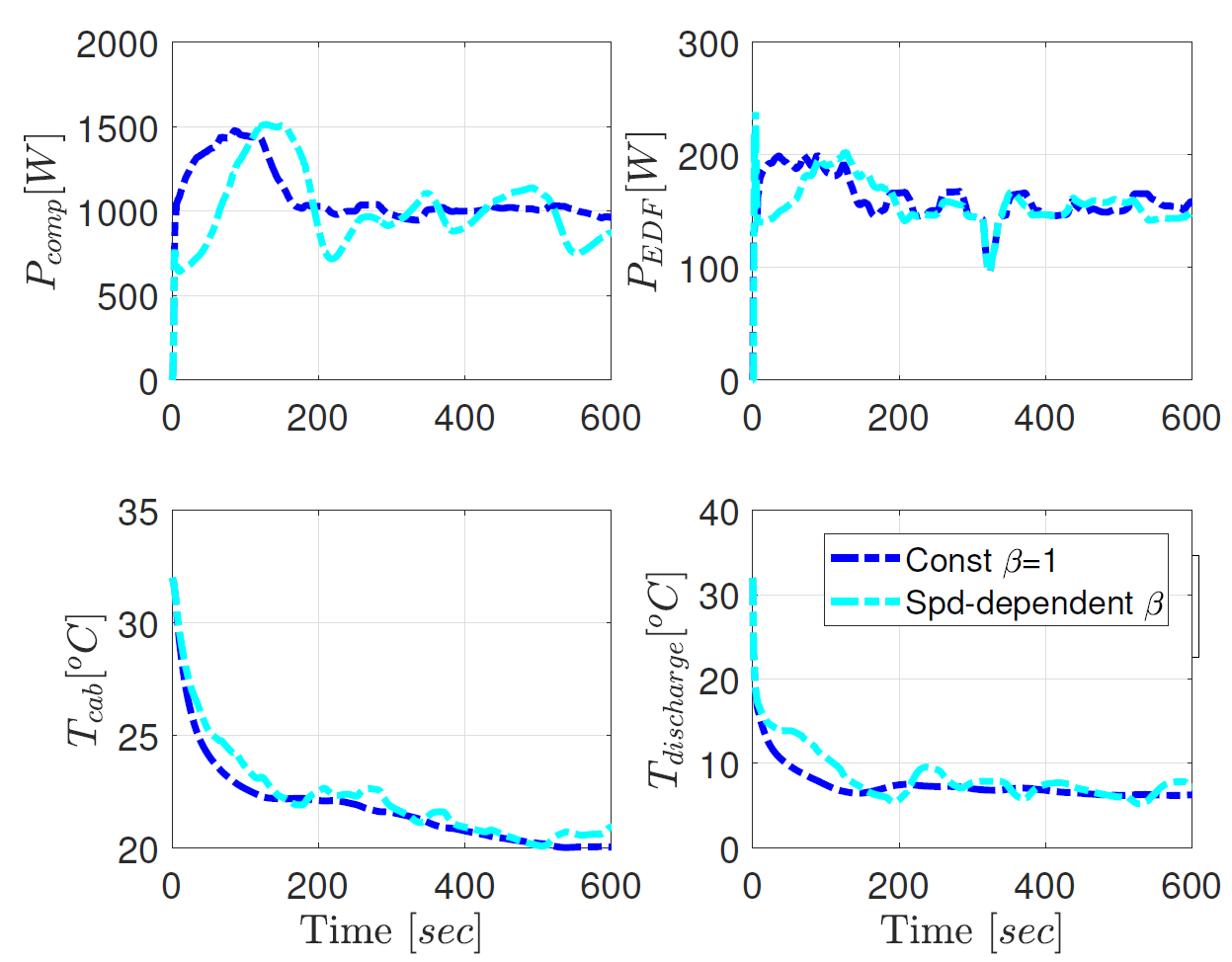
Figure 8: Comparison between the proposed PCS and the benchmark case on the ACSim model (A/C energy consumptions and temperatures).
Conclusion
The MPC-based PCS offers a viable solution for improving automotive A/C efficiency by integrating advanced predictive models and leveraging vehicle speed previews. The approach not only reduces energy consumption but also enhances passenger comfort, marking a significant advancement in automotive HVAC control. Future work aims to refine passenger comfort models and optimize load-shifting strategies, potentially extending these improvements to broader automotive applications.
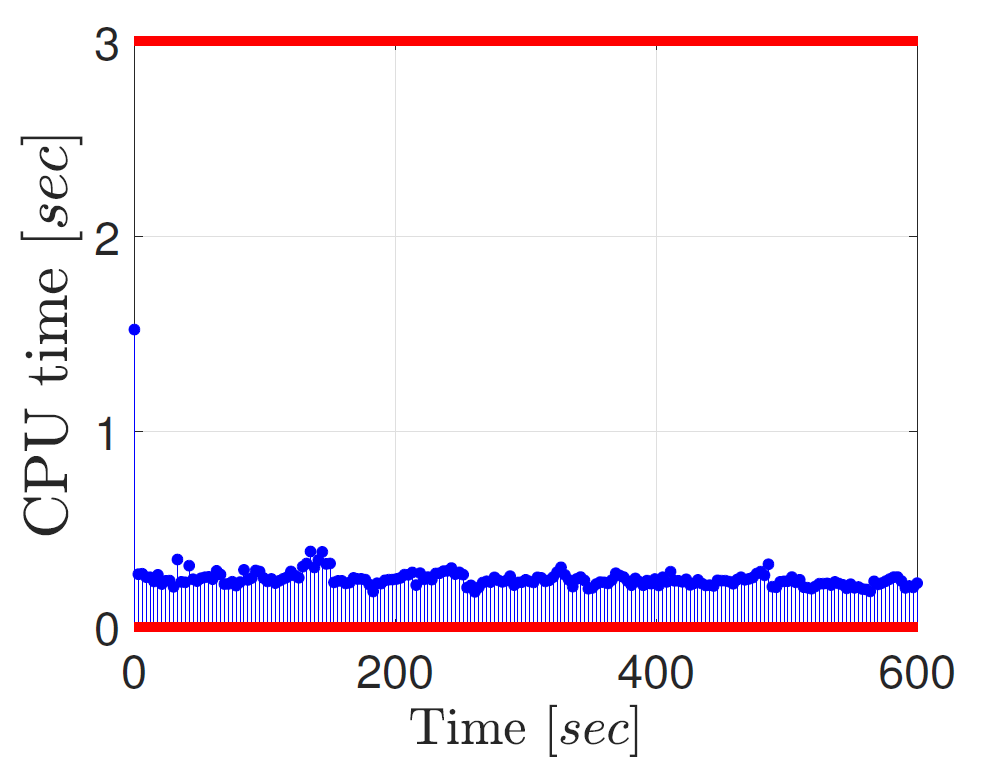
Figure 9: Elapsed CPU time for computing MPC solution for each control instant on ACSim model.
The paper demonstrates that utilizing MPC in automotive A/C systems can significantly curtail energy use without compromising comfort, indicating promising implications for sustainable automotive design. Additional research will focus on real-world testing and further refinement of the control algorithms.