- The paper reveals that despite significant developer security challenges, Solana shows unexpected resilience with smart contract vulnerabilities under 0.3%.
- The symbolic execution framework methodically identifies risks such as ACPI and weaknesses in signer validation within smart contracts.
- The extensive use of the Anchor framework, adopted in over 88% of cases, plays a key role in enhancing security and mitigating development risks.
Defying the Odds: Solana’s Unexpected Resilience in Spite of the Security Challenges Faced by Developers
Solana, a prominent blockchain platform, has carved a niche in the deployment of decentralized applications (DApps) due to its scalability and cost-effectiveness. However, despite these advantages, the development environment poses significant security challenges, as elucidated by the comprehensive study on Solana's security practices. This paper explores these intricacies, examining how developers interact with the Solana environment, the common pitfalls in smart contract security, and the surprising resilience of the ecosystem.
Solana's Developer Security Practices
The study conducted offers a critical analysis of Solana smart contract developers' approaches to security. A 90-minute code review with participants highlighted significant security vulnerabilities within their processes. Although developers claim awareness and confidence in managing vulnerabilities like Missing Signer Checks (MSC), Integer Bugs (IB), and Arbitrary Cross-Program Invocation (ACPI), the study reveals a disconnect between perceived knowledge and practical application. The prevalence of unqualified personnel due to high demand exacerbates this issue, leading to the release of poorly-secured contracts.
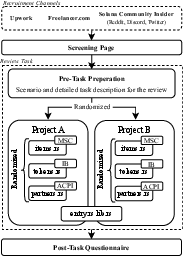
Figure 1: Structure of the Code Review Study.
Challenges and Counter-Resilience in Solana's Ecosystem
Despite the highlighted challenges, Solana showcases a lower-than-expected prevalence of vulnerabilities. The study's automated analysis reflects a vulnerability occurrence of less than 0.3% among deployed smart contracts, contradicting initial expectations of a highly insecure ecosystem. This counter-intuitive resilience is partially attributed to frameworks like Anchor, which enhance security practices by embedding validation processes and offering a robust tooling environment for developers.
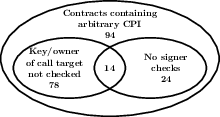
Figure 2: Results of the analysis using our symbolic execution framework on deployed Solana smart contracts.
Symbolic Execution Framework for Vulnerability Analysis
To ascertain the prevalence of vulnerabilities such as ACPI within Solana contracts, a symbolic execution framework was implemented. This framework leverages symbolic execution to simulate smart contract runtime, assessing potential security flaws by analyzing paths where arbitrary invocation might occur without adequate validation checks. The methodology successfully distinguishes contracts lacking proper signer and owner validations, thereby preventing unauthorized cross-program interactions.
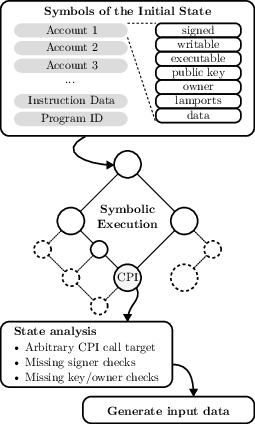
Figure 3: Main concept of the symbolic execution engine.
Increased Reliance on Anchor Framework
The reliance on the Anchor framework has become a noticeable trend, with over 88% of analyzed contracts utilizing this tool. Anchor's influence is evident in its structured approach to security, emphasizing automated checks and balances that reduce developer overheads while enhancing contract integrity. This widespread adoption underscores Anchor's role in supporting Solana's resilience, effectively mitigating vulnerabilities that could otherwise arise from inexperienced development practices.
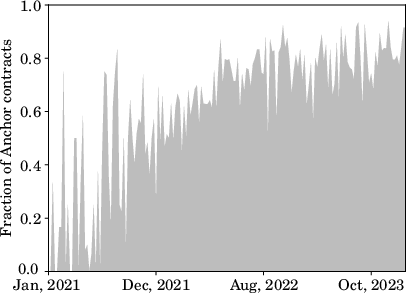
Figure 4: Prevalence of Anchor contracts in all the deployed Solana smart contracts.
Conclusion
The analysis of Solana's smart contract environment uncovers a complex landscape where security challenges meet unexpected resilience. The reliance on advanced frameworks like Anchor is integral to maintaining ecosystem security amidst a backdrop of potential vulnerabilities. The study provides pivotal insights, prompting further investigation into how such frameworks can be optimized and potentially broadened to enhance security across various blockchain platforms. As Solana progresses, these findings will shape its development trajectory and inform best practices within the broader blockchain community.